
Seb Lomas on Why Oral Health Is the Missing Part of Your Longevity Strategy

Call it the rise of biohacking, but in recent years, there’s been a marked shift in the way we approach our health. Rather than considering our bodily parts and organs as individual entities that operate in a void, we’re more likely to approach new aches and pains in holistic terms – questioning whether a sports injury might be exacerbated by stress, or gut inflammation could be spiking our mid-morning anxiety.
Now, that same idea is extending beyond the doctor’s office to the dentist’s chair, with a new breed of wellness experts taking a whole-body approach to our mouths – one that considers the impact routine drilling, scraping and filling may have elsewhere.
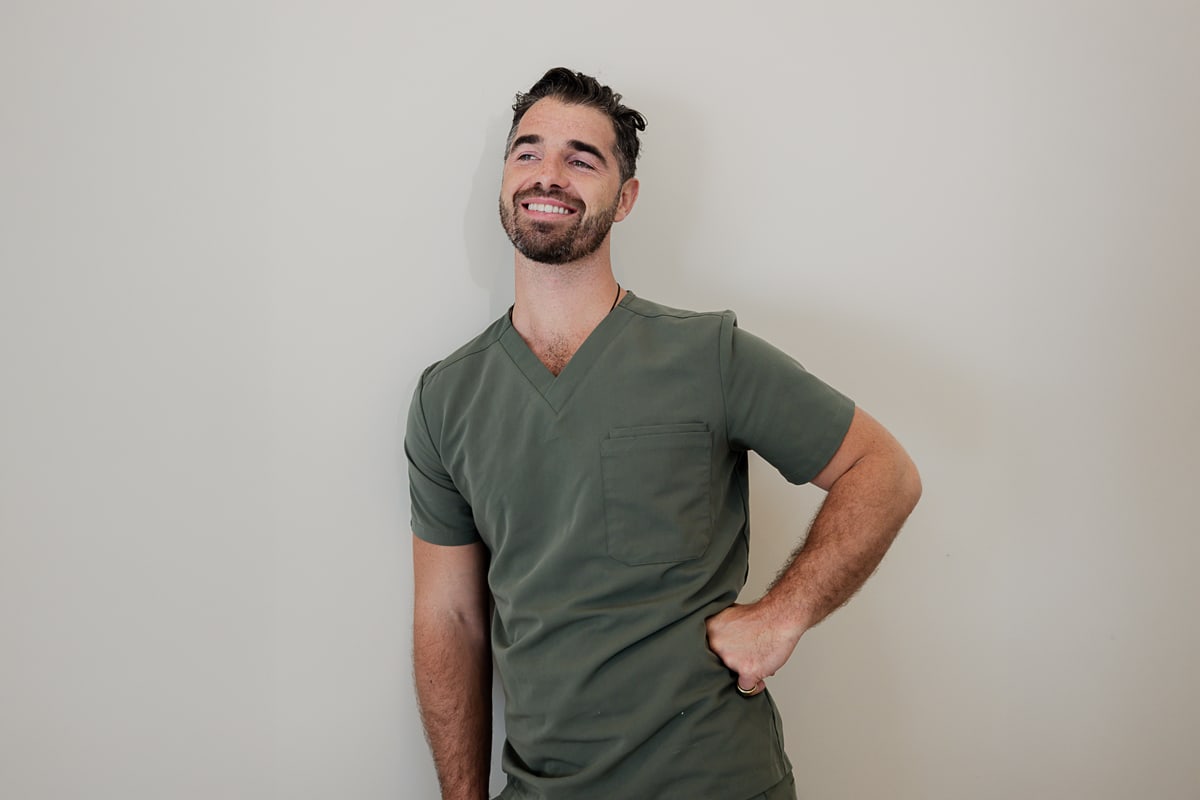
Biological dentist Dr. Seb Lomas (@biological_dentist) is a leading voice in this new school of thinking, having spent his career studying the connection between our teeth and overall wellbeing. Speaking at Healf’s recent HX26 summit, he explained to audiences why he believes oral wellness is the final frontier in health, and often the missing puzzle piece in our efforts to live long and happy lives.
To learn more about this oral health connection, we caught ten minutes with Seb to hear about his work and the big mistakes people tend to make when it comes to looking after their mouths.
Can you tell us a bit about your background and how you first became interested in dentistry?
I’ve always been fascinated by the human body and how small changes can completely transform someone’s quality of life. Dentistry appealed to me because it combines science, engineering, art and healthcare, but over time, I realised that the mouth is about so much more than teeth.
Early in my career, I became frustrated that dentistry often focused on repairing damage rather than asking why the damage had occurred in the first place. That curiosity led me down a path of studying nutrition, breathing, sleep and myofunctional therapy, as well as orthodontics, biological dentistry and the links between oral health and whole-body health.
Today I still restore teeth, but I’m just as interested in helping people breathe better, sleep better, reduce inflammation and understand the root causes behind their problems. That’s what gets me excited every day.
What does being a ‘biological dentist’ mean and how does this approach differ from regular dentistry?
Traditional dentistry is exceptional at diagnosing and repairing disease within the mouth, but biological dentistry asks one extra question: “How is what’s happening in the mouth affecting the rest of the body, and vice versa?”
That means we look beyond the cavity or the broken tooth. We consider sleep, breathing, nutrition and inflammation, as well as the microbiome, airway development, bite function, gum health and a patient’s overall medical history before recommending treatment.
How is our oral health connected to our mental and physical wellbeing?
The mouth is one of the most biologically active parts of the body. Every time we eat, breathe, swallow or sleep, the mouth is involved. It contains one of the largest bacterial ecosystems in the body, and it’s connected to our immune system, cardiovascular system, digestive system and nervous system.
Research has linked poor oral health with conditions such as cardiovascular disease, diabetes, adverse pregnancy outcomes and rheumatoid arthritis. While these associations don’t necessarily prove that one causes the other, they highlight how closely connected the mouth and body are.
Can our teeth be a common source of inflammation in our body?
Absolutely. One of the biggest sources of chronic inflammation we see isn’t actually the teeth themselves, it’s the tissues around them.
Untreated gum disease creates a chronic inflammatory response. Every time someone brushes or chews, bacteria, endotoxins and inflammatory molecules can enter the bloodstream. The immune system is incredibly good at dealing with short bursts of inflammation, but the problem is when that inflammation continues for years or even decades.
How does sleep-disordered breathing affect our health?
I genuinely believe this is one of the most overlooked health issues today. If your airway partially collapses hundreds of times every night, your body never reaches truly deep regenerative and restorative sleep. That affects almost every system in the body.
Over time it can contribute to daytime fatigue, poor concentration, anxiety and elevated blood pressure. It also has a hand in insulin resistance, increased inflammation, reduced exercise recovery and reduced quality of life.
What are some of the big things people tend to get wrong when it comes to looking after their teeth?
People often think brushing harder means brushing better, but in reality, gentle brushing with excellent technique is far more effective. Another misconception is that flossing is optional. Cleaning between the teeth is essential because toothbrushes simply can’t reach those areas.
Also, you might be underestimating the effect of frequent snacking on your teeth. It’s often the frequency of sugar exposure, not simply the amount, that increases the risk of tooth decay. Teeth are crystals after all, and they demineralise over time.
Finally, people tend to think dentistry is only about teeth. Looking after your gums, tongue, breathing and saliva is equally important.
Are antibacterial mouthwashes causing more harm than good?
Like most things in healthcare, it depends on why you’re using them. Antibacterial mouthwashes can be extremely useful for short periods following surgery or during active gum treatment when prescribed appropriately.
The problem is using strong antibacterial rinses every day, indefinitely. The mouth contains a complex microbiome, and many bacteria play important roles in maintaining health. Some bacteria even help produce nitric oxide, which supports healthy blood vessel function and blood pressure regulation, not to mention the remineralisation of teeth.
My preference is always to treat the underlying cause first – improving oral hygiene, nutrition and gum health rather than relying on mouthwash as a long-term solution.
What are some key things readers can do to improve their oral health today?
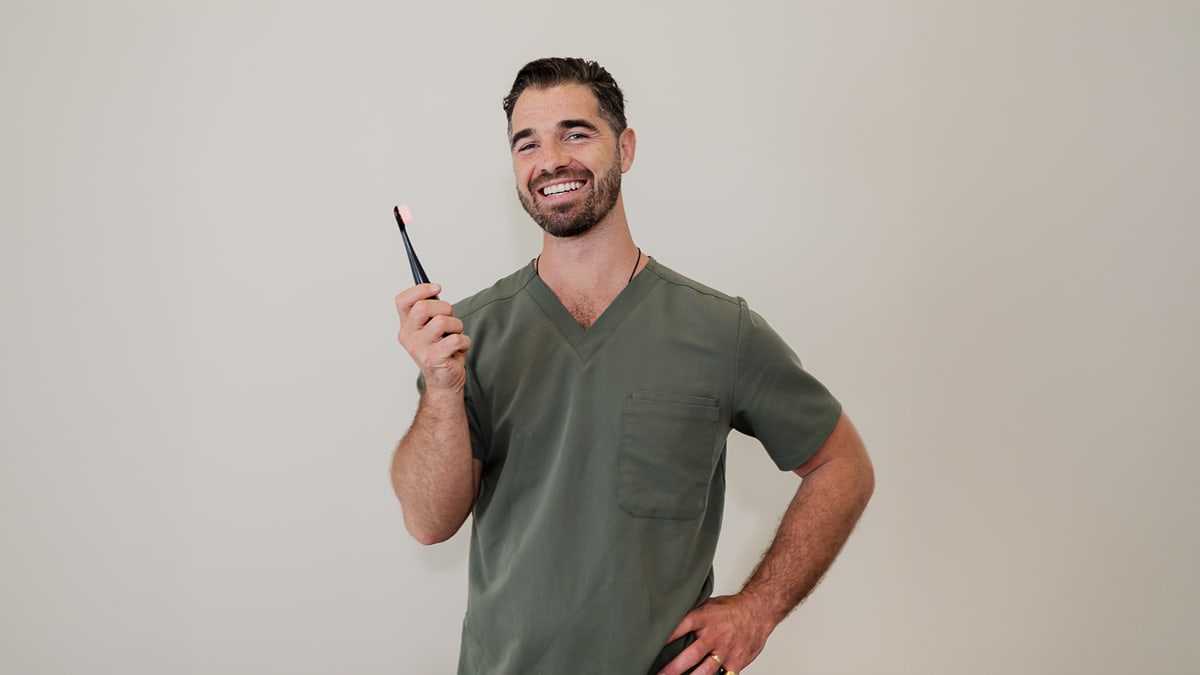
The biggest improvements usually come from the basics done consistently. Brushing twice a day with excellent technique, cleaning between your teeth every day (at night is most important) and breathing through your nose rather than your mouth whenever possible. This is where mouth taping can be really helpful.
I also encourage my clients to prioritise quality sleep, reduce frequent sugary drinks and snacks, while eating a whole-food diet and staying hydrated. Having regular dental examinations is also really important, so problems are identified early rather than when they become painful. Also, don’t ignore bleeding gums, they’re not normal!
Root canals are one of the most controversial topics in dentistry. What are your thoughts on them?
Root canal treatment is a valuable procedure that has helped millions of people retain teeth that would otherwise have been extracted. However, like any medical or dental treatment, it isn’t perfect.
Some root canal-treated teeth remain healthy and functional for decades, while others may fail because of persistent infection, fractures or anatomical complexity.
My approach is to assess every tooth individually. I look at the patient’s symptoms, imaging, medical history, the quality of the existing root canal and whether the tooth can realistically be restored long term. The goal should always be informed consent. Patients deserve to understand the potential benefits, limitations and alternatives so they can make the decision that’s right for them. Failed root canals can contribute to systemic inflammation as mentioned above!