
What Supplements Should You Be Taking This Winter? A Nutritionist Explains


Winter can really pull a number on your health. Between the darker mornings dragging down your mood, the cold weather aggravating joint pain and the usual coughs and colds doing the rounds, there’s a lot that can leave you feeling under the weather.
That’s exactly why experts say it’s smart to pay closer attention to your health at this time of year, focussing on getting the sleep, hydration and nutrients your brain and body needs to function at its best.
While we can usually get most of the vitamins and minerals we need from a healthy and balanced diet, this time of year can be particularly relentless, and diet is often one of the first things that starts to slide when plans and parties take over.
If you’re moving through the season gorging on rich food, supping free-flowing alcohol and refuelling with hangover takeaways, supplements could help to bridge any nutritional gaps while giving your immune system some extra TLC.
So what exactly should you have in your winter rotation? We asked Rob Hobson, nutritionist and author of Unprocess Your Life, to suggest the bathroom cabinet essentials for bolstering your winter wellness.
Vitamin D
Known as the ‘sunshine’ vitamin, vitamin D is found in a few select foods, but the body manufactures most of what we need from direct sunlight hitting the skin when outdoors.
During the gloomy autumn and winter months, when light levels are generally lower, most people struggle to produce enough vitamin D, which can snowball into a full blown deficiency if you’re not careful. In fact, around 1 in 5 adults have levels lower than government recommendations.
“A quality vitamin D supplement is a no-brainer in the winter,” says Hobson. “The latest National Diet and Nutrition Survey shows that nearly 1 in 5 adults are vitamin D deficient overall, but in winter, that figure jumps to about 1 in 3.”
Virtually all immune cells in our body contain a specific ‘docking station’ called the vitamin D receptor, which only the active form of vitamin D can unlock. When paired together, this combo works to calm inflammation and boosts the production of natural antibiotics, which help the body fight viruses.
It’s no surprise then, that low levels of vitamin D are consistently linked with a higher risk of seasonal respiratory infections. “Large pooled analyses of randomised trials suggest that supplementation gives a modest but meaningful reduction in the risk of colds and other acute respiratory infections,” Hobson notes, “especially in people who start off deficient and take a supplement daily.”
There’s a similar pattern at play in athletes who are training hard over the winter. “Studies in a range of vitamin D–insufficient athletes – from swimmers to taekwondo competitors – show that bringing levels up with daily supplements can reduce upper respiratory tract infection symptoms and cut down days lost to illness.”
To ensure you’re getting enough of the sunny stuff, Hobson’s advice is to take a 10 microgram supplement (400 IU) per day throughout autumn and winter. “Many people, including athletes, may be advised to use slightly higher daily doses under professional guidance, so it’s always worth getting your vitamin levels checked out by a GP,” he adds.
A decent probiotic
Probiotics can be a confusing corner of the wellness world, but at their most basic, they support the ‘good’ microbes living in your gut and make it harder for harmful bacteria and viruses to thrive there.
“If your diet has slipped, you’ve had gut issues recently or you’re taking a course of antibiotics, a targeted probiotic might be worth considering,” says Hobson. “Scientists estimate that around 70% of your immune system sits in the gut, so maintaining a healthy microbiome is one of the best ways to support immune resilience through the winter.”
When it comes to probiotics and their hard-to-pronounce monikers, strain really matters. “One of the best studied is Lactobacillus rhamnosus GG (LGG), which is highlighted by the World Gastroenterology Organisation for use during and after antibiotics,” notes Hobson.
“Multiple randomised controlled trials and meta-analyses show that LGG significantly reduces the risk of antibiotic-associated diarrhoea in both adults and children when they’re taken at the same time as a course of antibiotics.”
As well as keeping you from a nasty toilet trip, an LGG probiotic can also help recover the bacteria that’s been wiped out by antibiotics. “Studies show it can restore a healthier microbiota profile by increasing beneficial bacteria such as Bifidobacterium and Lactococcus, while reducing more problem-causing microbes like Escherichia,’ Hobson explains.
“It also appears to support the intestinal barrier improving tight-junction proteins and lowering inflammation, which is a key part of immune defence. Some research even shows it helps restore short-chain fatty acid production, which is important for gut motility and overall gut function.”
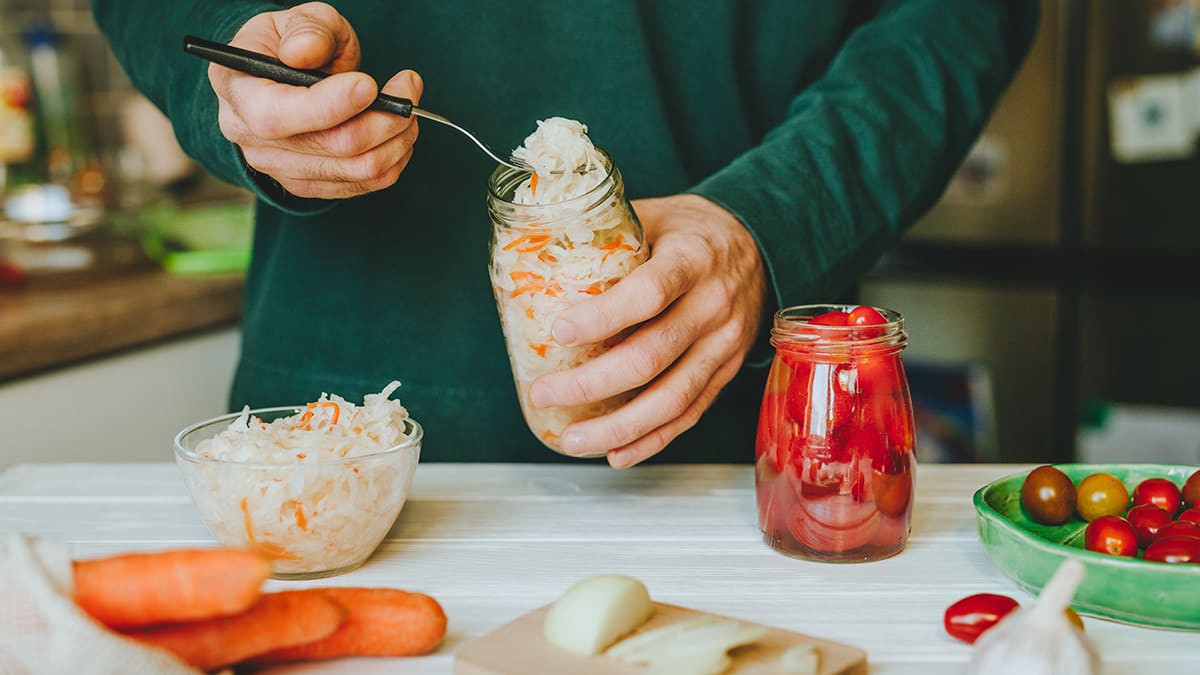
But trendy probiotics are only one part of the winter wellness story, and you can’t out supplement a bad diet. “The best daily gut support still comes from food getting enough fibre from plants, beans, vegetables and whole grains, and including a dose of fermented foods like kefir, yoghurt, sauerkraut or kimchi where you can,” says Hobson. These help diversify the gut microbiome, which is closely linked to immune health, especially during the winter months.
A cover-your-bases multivitamin
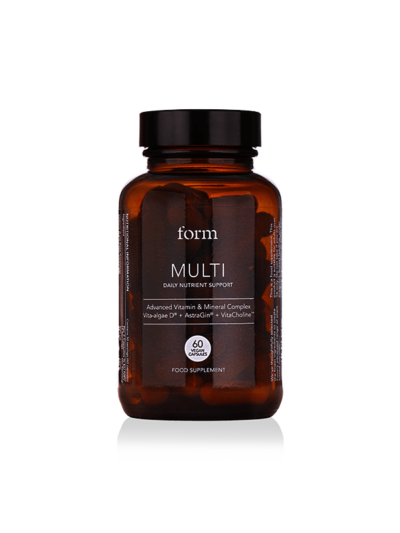
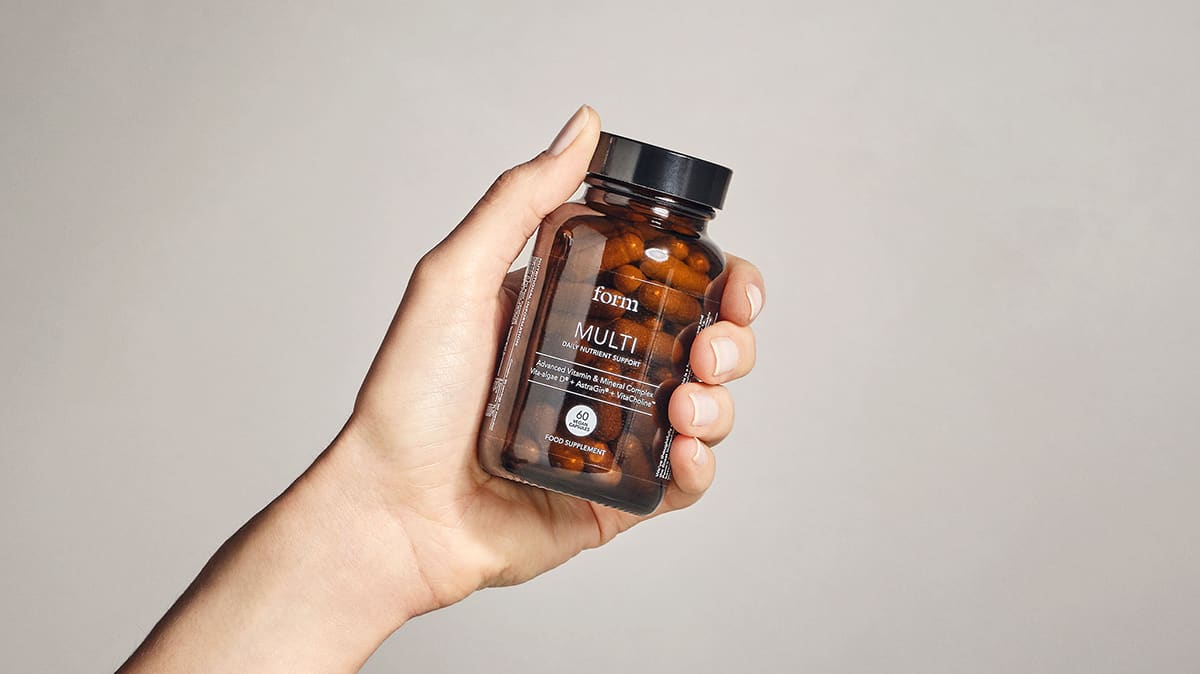
If you’re still scratching your head over supplements and don’t want the hassle of popping multiple capsules every day, a quality multivitamin (like Form’s Multi capsules) acts as a one-stop-shop for your health and immune system, plugging the nutritional gaps that tend to form during busy periods.
“Around Christmas we tend to eat more ultra-processed foods and fewer nutrient-dense meals, so a multivitamin can fill the gaps in things like B vitamins, zinc and selenium, if your diet isn’t quite where you want it to be,” says Hobson.
As he puts it: “It’s a sensible, food-first approach without overpromising on what supplements can do.”