
Is Fibremaxxing Actually Worth The Hype?

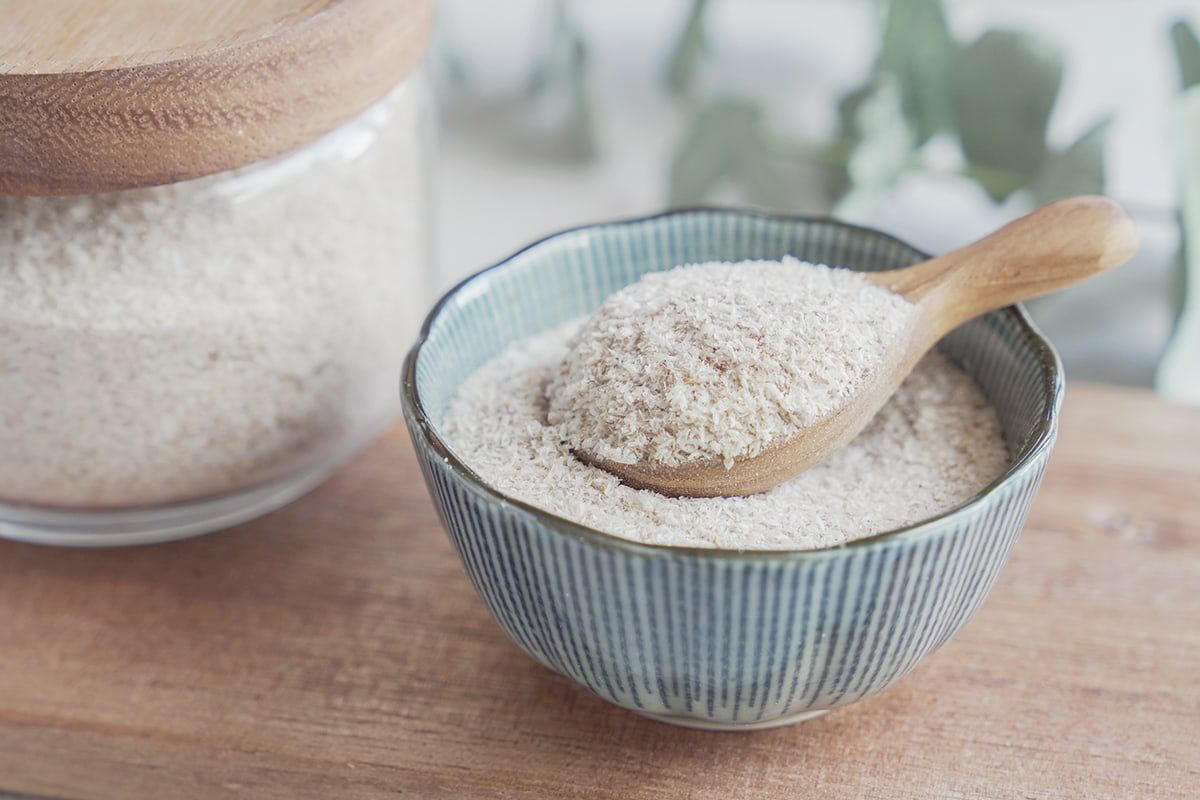
Of all the nutrients to have a moment, fibre feels like an unlikely candidate. It lacks the mystique of adaptogens, the quiet authority of creatine, the influencer-friendly aesthetics of collagen. It is not new, not particularly photogenic, and it has never been the most compelling thing on the shelf. And yet #fibremaxxing, which exploded across wellness feeds in 2025 and shows no signs of quieting down, has managed to generate the kind of breathless content usually reserved for whatever peptide is in favour this month.
The premise is simple enough: deliberately and consistently maximise your daily fibre intake, typically aiming for well above the official UK recommendation of 30g per day. Devotees share their high-fibre meal preps, debate whether psyllium husk or chia seeds are the superior vehicle, and film their digestion updates with an enthusiasm that would have baffled a previous generation of wellness content. The Week covered the trend in March 2026, and it has been a fixture of nutrition conversations ever since. For a macronutrient most people associate with bran flakes and their grandparents, fibre has had quite the glow-up.
But wellness TikTok being wellness TikTok, the nuance tends to get lost somewhere between the thumbnail and the comments section. So what does the science actually say about loading up on fibre? And is there such a thing as too much of a good thing?
Why does fibre matter in the first place?
Most of us have a vague understanding that fibre is “good for digestion” and leave it there. The reality is considerably more interesting. Dietary fibre is a broad category of plant-based carbohydrates that the human body cannot digest on its own, but which the trillions of bacteria in the gut can ferment and metabolise. That fermentation process is where much of the benefit lies.
Fibre is essentially food for your gut microbiome. Eating a diverse range of fibre-rich foods feeds a diverse range of bacterial species, and that microbial diversity is strongly associated with better immune function, mood regulation, and metabolic health.
The research backs this up convincingly. A landmark 2019 meta-analysis published in The Lancet, which pooled data from 185 prospective studies and 58 clinical trials, found that higher fibre intakes were associated with significant reductions in all-cause mortality, cardiovascular disease, type 2 diabetes, and colorectal cancer. The protective effects were dose-dependent: people eating 25-29g of fibre per day saw notable benefits, and those eating more saw even greater ones. Given that the average UK adult currently consumes around 18g per day, there is substantial room for most of us to improve.
What are the satiety and metabolic benefits?
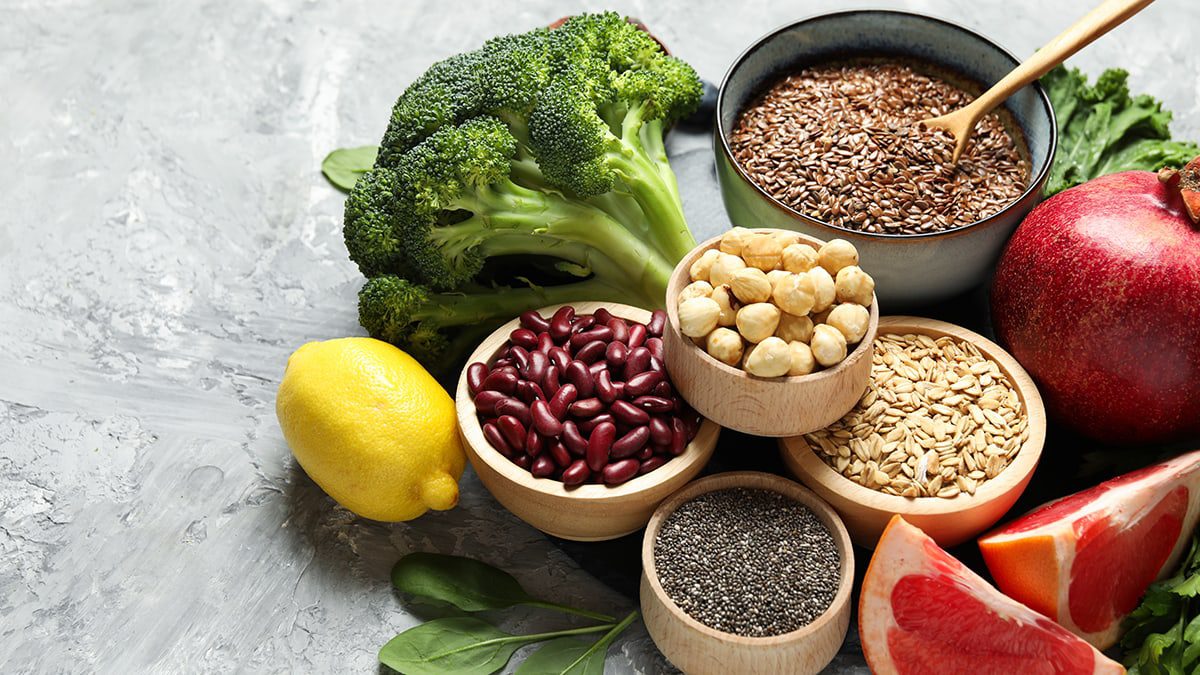
Beyond gut health, the fibremaxxing crowd is drawn to fibre’s effects on hunger and blood sugar regulation, and here too the science is reasonably solid. Soluble fibre, the kind found in oats, legumes, and fruit, forms a gel-like substance in the gut that slows gastric emptying. This means glucose enters the bloodstream more gradually, blunting the sharp insulin spikes that can lead to energy crashes and, over time, increased insulin resistance.
Soluble fibre is one of the more effective dietary tools for managing post-meal blood glucose. That slower digestion translates directly into feeling fuller for longer, making it particularly relevant for anyone trying to manage appetite or maintain stable energy through the day.
This is where fibre, quietly and without much fanfare, outperforms a lot of what the wellness industry is currently flogging. Whereas many appetite-related supplements have limited or contested evidence, the data on soluble fibre and satiety is consistent across multiple study designs. It is not glamorous, but it works.
Insoluble fibre, found in wholegrains, vegetables, and the skins of fruit, does different but equally useful work: it adds bulk to stool, speeds transit time through the colon, and reduces the time potentially harmful compounds spend in contact with the gut lining. It is this mechanism that most directly links high fibre intake to reduced colorectal cancer risk.
Can you overdo it?
Here is where the more nuanced conversation begins, and where social media tends to fall short. Fibre is unambiguously beneficial, but dramatically increasing your intake in a short space of time is a reliable way to make yourself miserable.
The gut microbiome needs time to adapt. Going from 15g to 50g of fibre overnight will likely produce significant bloating, gas, and discomfort. That is not because fibre is harmful; it is because the bacterial populations that ferment fibre-rich foods need several weeks to increase in number and capacity.
There is also the question of hydration. Fibre, particularly the soluble kind, absorbs water as it travels through the digestive system. Without adequate fluid intake, increased fibre can actually slow transit and cause constipation, which is somewhat the opposite of what most fibremaxxers are going for.
For people with certain gut conditions, including irritable bowel syndrome, inflammatory bowel disease, or SIBO (small intestinal bacterial overgrowth), rapidly increasing fibre intake can exacerbate symptoms rather than relieve them. This is not a reason to avoid fibre, but it is a reason to approach it thoughtfully and, if in doubt, with guidance from a registered dietitian rather than a TikTok comment section.
So how do you actually hit 30g a day?
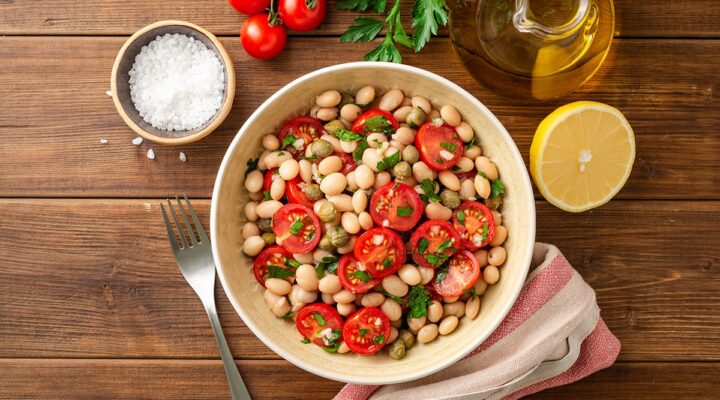
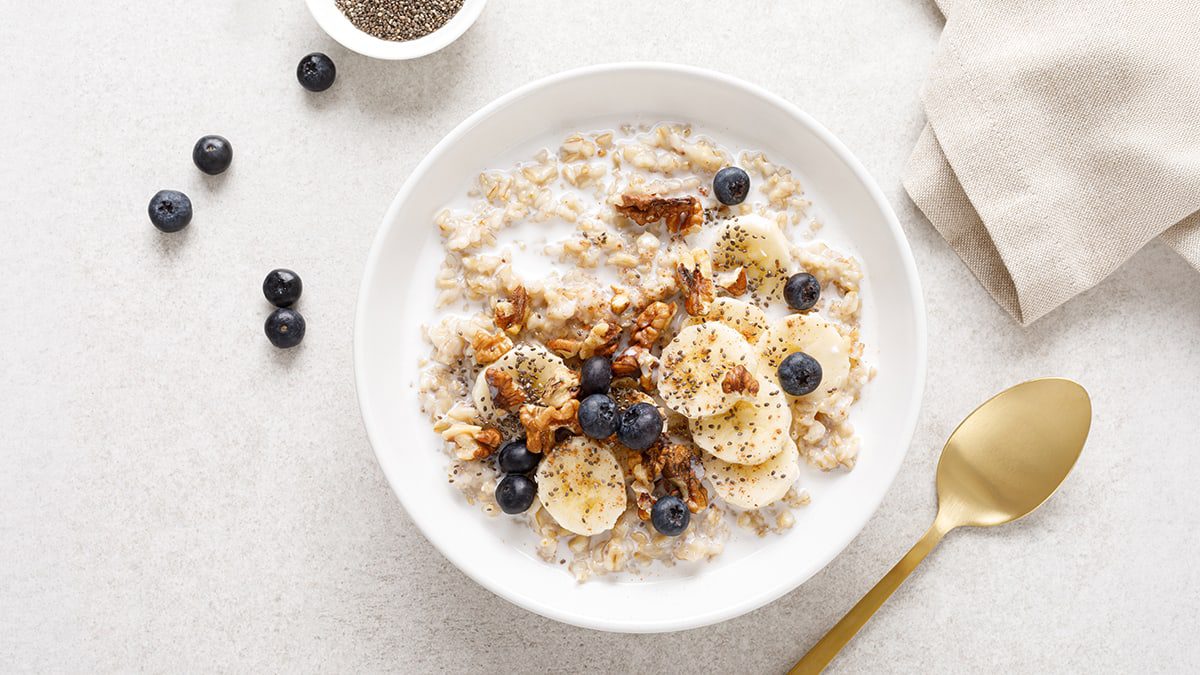
The good news is that if you’re already eating a broadly plant-forward diet, 30g is far more achievable than it sounds. A bowl of porridge with berries and a tablespoon of chia seeds at breakfast already puts you close to 10g. Add a lunch with legumes and a dinner built around vegetables and wholegrains, and you will likely hit the mark without a single supplement in sight.
The key is variety rather than volume. We often fixate on total grams, but the diversity of fibre sources matters enormously for the microbiome. Different types of fibre feed different bacterial species, so aiming for 30 different plant foods per week, which sounds daunting but really isn’t once you count herbs and spices, is a more useful long-term target than fixating on a single daily number.
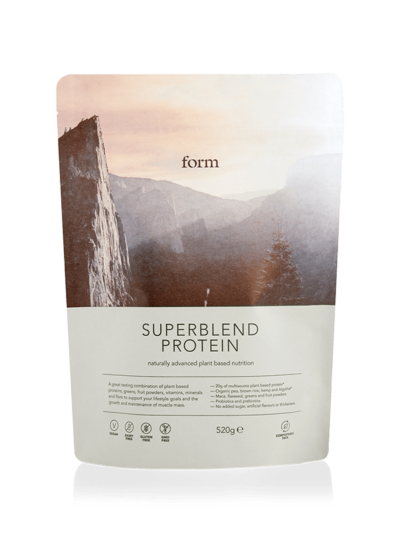
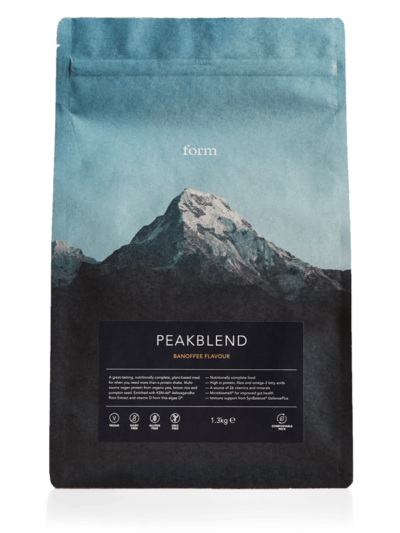
If you are cooking and baking regularly, swapping refined flours for wholegrain alternatives, adding seeds to smoothies and salads, and keeping tinned legumes stocked as a default are all low-effort, high-impact habits. Plant-based protein sources can also contribute more than you might expect: Form’s Superblend delivers 5-8g of fibre per serving depending on the flavour, and the Form Protein Bar clocks in at 12g per bar, making either a reasonable contribution to your daily total rather than just a protein hit.
The bottom line
Fibremaxxing, stripped of its social media aesthetics, is essentially a rebranding of advice that nutritional science has been giving for decades: eat more plants, eat more variety, and eat less processed food. That the evidence base for this is robust and well-established is a feature, not a flaw.
The hype is, unusually for a wellness trend, reasonably well-placed. But as with most things in nutrition, the method matters as much as the goal. Increase gradually, drink more water, and prioritise variety over hitting an arbitrary daily number. Your gut bacteria, it turns out, are not impressed by the speed of change. They prefer consistency over drama, which is possibly more than can be said for the algorithm.