
What Is Contrast Therapy And Could It Help You To Recover Better?

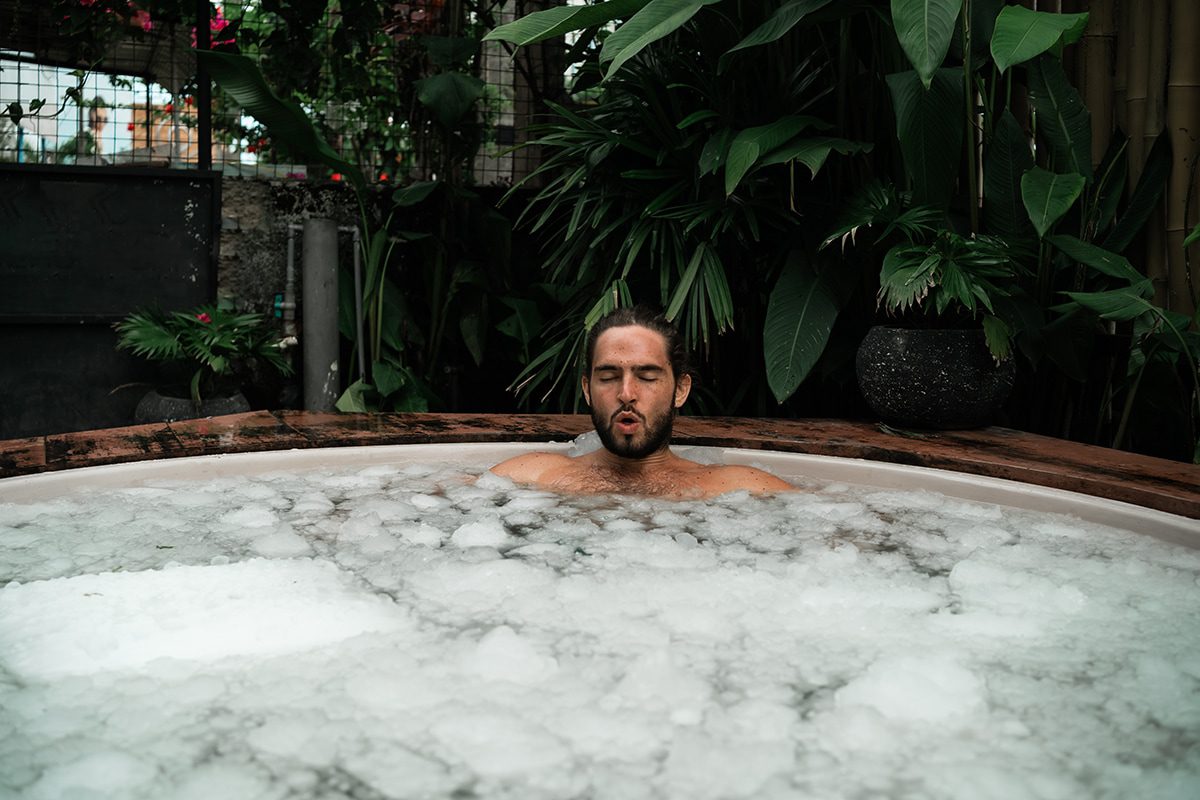
If you’re plugged into the wellness discourse, there’s a good chance you will have come across contrast therapy. Across social media, the trend has seen biohackers and gym bros alike throwing their towels down in sleek high-tech city saunas and freezing outdoor ice baths.
For the uninitiated, this type of new-but-old technique is all about alternating between extreme hot and cold temperatures, which is said to have an impressive laundry list of benefits including faster recovery post-workout. Here we break down what you need to know, and how exactly to get started with the practice.
What is contrast therapy?
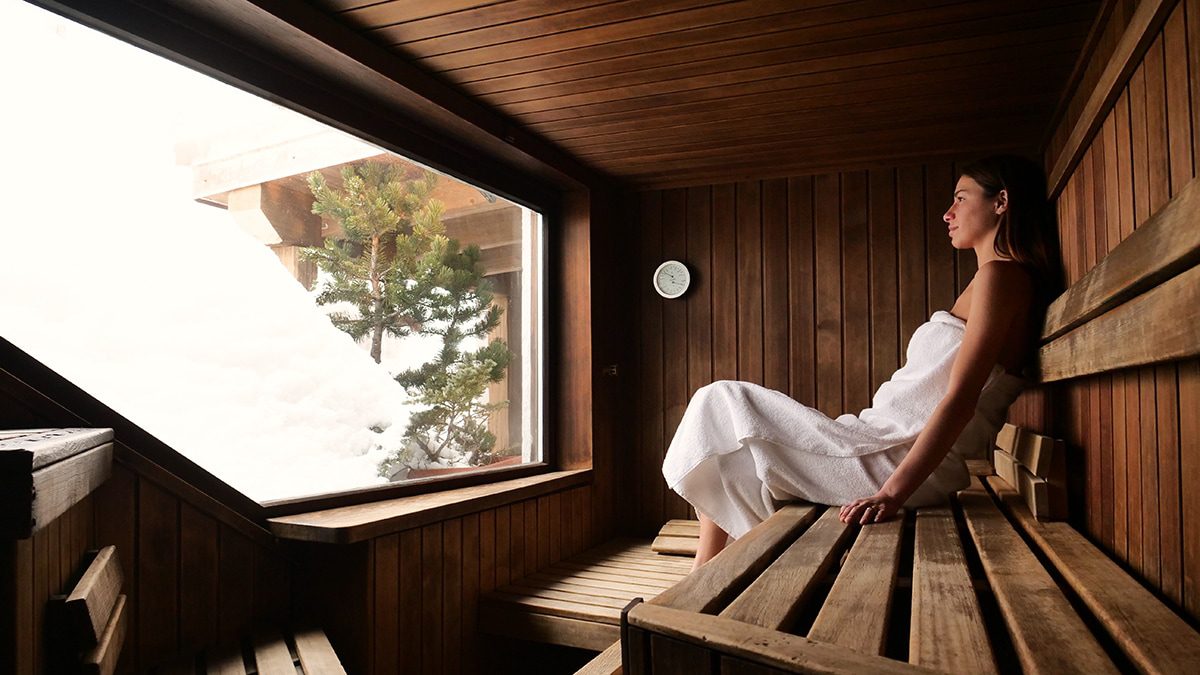
Put simply, contrast therapy involves alternating between hot and cold environments – think warming up in a wood-fired Swedish sauna before braving a chilly 4 degree plunge pool.
Depending on how hard you leaned into the Wim Hof trend that dominated the wellness discourse just a few years back, the idea of dunking yourself into an ice bath after you’ve reached a toasty temperature might not sound too appealing. But the key to reaping the benefits of the contrast method is to bounce between the extremes, as this is what triggers changes in your circulatory system that help to speed up the body’s natural healing processes.
The rise of ultra-chic urban saunas, which are currently popping up in cities across Europe and America, might have you believing that contrast therapy is an invention of the trillion dollar wellness industry, but it’s actually been around for thousands of years, with evidence linking its use to as early as 3500 BCE. According to historians, the Romans were known to submerge themselves in thermal baths of varying temperatures, and even the famous Greek philosopher Hippocrates advocated for spending time in cold water to ‘allay lassitude’ – or in other words, fight fatigue.
Does contrast therapy have any benefits?
One of the reasons contrast therapy has long been a go-to for Olympic athletes like American swimmer Micheal Phelps is because of its ability to mitigate the effects of DOMS – the delayed muscle soreness that can have you wincing in pain the day after a particularly intense gym session.
Studies have found that stacking time in a sauna with an ice bath after a workout was able to reduce the severity of muscle soreness in elite-level athletes – more so than passive recovery strategies like simply resting up on the sofa.
Switching back and forth between hot and cold is also thought to be a great tool for aiding muscle healing, helping to increase tissue oxygenation and decrease swelling. Researchers have posited that submerging your body in cold water causes your capillaries to shrink – or vasoconstrict, while the opposite seems to happen in warm environments. When vessels open and close in this alternating manner, it improves the efficiency of blood flow, helping to flush out waste products like carbon dioxide and lactate, while delivering fresh oxygen to working muscles.
Needless to say then, it’s potentially helpful for warding off fatigue. If you’re someone who tends to crash hard after a lunchtime power Pilates session, hot-cold therapy could be a more effective pick-me-up than an emergency flat white from your local barista. A 2017 meta-analysis found that contrasting hot and cold baths helped team sports players better recover from tiredness in the 24 to 48 hours after a game.
And unlike some other less palatable wellness interventions circulating on TikTok right now, there’s no denying that contrast therapy feels great (albeit once you’ve got past the initial masochism of plunging into ice). This is because heat immersion and cold exposure release a cocktail of feel-good chemicals like prolactin, norepinephrine, dopamine and serotonin – triggering a post-dunk high that’s hard to beat.
How to get started with contrast therapy
Contrast therapy can be done in a host of different ways, but there’s a golden ratio that most proponents of the trend tend to stick to: for every three to four minutes of heat exposure, balance it out with one minute of cold.
You don’t need hours to reap the benefits either. Just 20 minutes, alternating between a sauna and a cold shower, is enough to feel the tingly after effects. If you need some extra help on timings, many of today’s wellness-charged saunas offer guided contrast therapy sessions, where a trained professional will lead you in and out of the heat.
There are also apps like Contrast and GoPolar, which put the trainer in your pocket and can help you to optimise every last moment in the spa. So whether you’re using it to bounce back from an intense training load, or you’re simply curious to check out the hype, this is one wellnessmaxxing trend that’s fairly easy to get on board with.