
Ask Dr Adam: Are There Specific Foods or Nutrients That Can Reduce Inflammation?

Inflammation is one of those terms that sounds alarming, but in the short-run, it’s actually good for us. As a healthy immune system response, it’s the body’s natural way of fighting stress and seasonal bugs, helping us to heal and feel better.
The issue comes when low-grade inflammation becomes persistent or ‘chronic’, as it’s been identified as a precursor to diseases like type 2 diabetes and cardiovascular disease.
Recently, you might have clocked anti-inflammatory diets doing the rounds on social media, as a simple but effective way to bring levels of inflammatory markers back to baseline.
So are there specific foods or supplements we should be loading into our shopping trolley to help combat low-grade inflammation? We took a deep dive into the topic, with expert help from Form’s nutrition expert Dr Adam.
What is inflammation, and why should people be mindful of it?
Inflammation is a natural process involving an immune response triggered by damage, infection or other signals of stress. Acute inflammation occurs in response to infections (such as the cold or flu) or physical damage (like cuts or bruises). This intensified immune response is quite noticeable but typically subsides relatively quickly, usually within a few hours or days.
The type of inflammation people are generally more concerned with is chronic inflammation. This is a low-level inflammatory state that persists over time, possibly due to the overproduction of pro-inflammatory molecules, and can lead to detrimental effects on organs and body systems.
Chronic inflammation forms part of the pathophysiology of many common Western diseases, including cardiovascular disease, diabetes, and cancer, as well as more obvious immune-related conditions such as rheumatoid arthritis. Some also argue that ageing itself may be a consequence of chronic inflammation. It is therefore not surprising that inflammation is increasingly discussed as something to be ‘combated’, often through dietary change.
What role does diet play in inflammation in the body?
From a mechanistic perspective, dietary factors do influence inflammation. We know that certain dietary patterns are associated with a reduced incidence of so-called ‘inflammatory’ diseases, most notably the Mediterranean-style diet. In reality, the characteristics of most conventional healthy-eating guidelines are quite similar to this pattern. One could argue that this similarity may, in part, be due to the inclusion of specific foods that can mechanistically influence inflammation.
Are there specific foods that can reduce inflammation? If so, what are they?
Long-chain polyunsaturated fatty acids (LCPUFAs) are precursors for localised signalling molecules known as eicosanoids, which can be either pro-inflammatory or anti-inflammatory. In general, eicosanoids produced from long-chain omega-3 (n-3) fatty acids—such as EPA and DHA—tend to be more anti-inflammatory than those derived from omega-6 fatty acids (for example, arachidonic acid).
From a dietary perspective, EPA and DHA obtained from microalgae are commonly regarded as anti-inflammatory. In contrast, red meat and other animal products – and indirectly some seed oils – are sources of arachidonic acid, which may be associated with more pro-inflammatory effects.
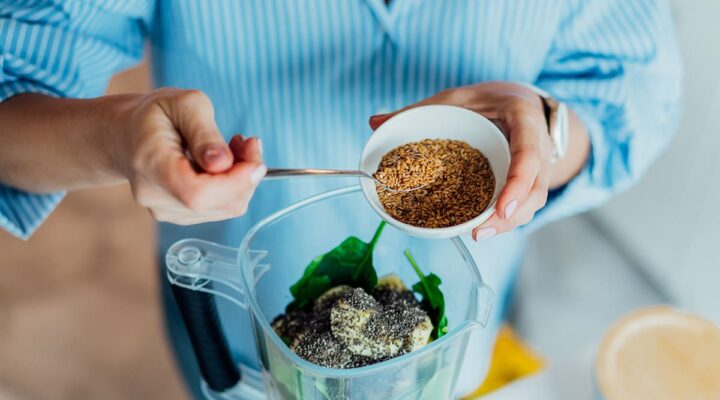
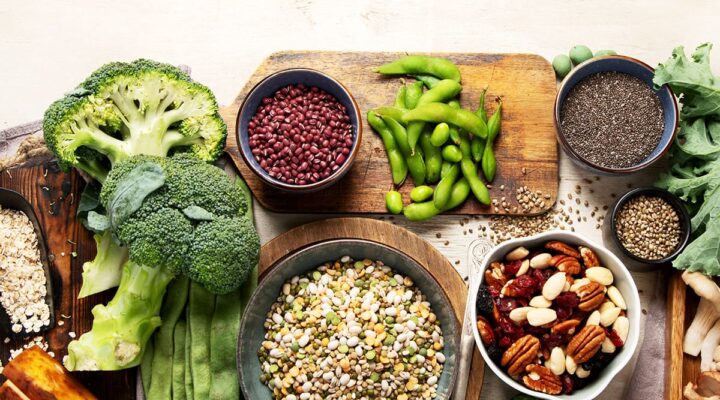
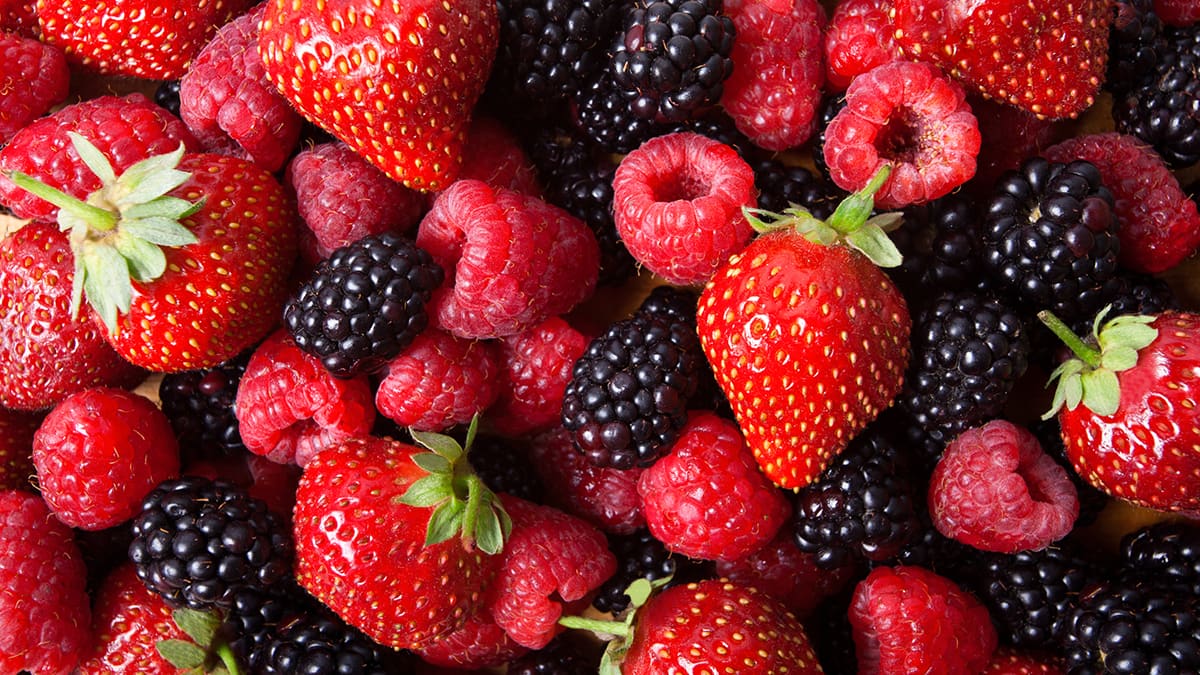
Another important dietary group is polyphenols. These bioactive compounds are found in fruits and vegetables and are often linked to pigmentation. For example, strawberries, raspberries, and blackberries are particularly rich in anthocyanins. Dark leafy vegetables such as kale and spinach, as well as broccoli, certain nuts and seeds (e.g. flaxseeds), green tea, coffee, dark chocolate, and extra-virgin olive oil, are also excellent sources.
More recently, turmeric (or curcumin) has gained popularity as an anti-inflammatory ‘superfood.’ These compounds may act as antioxidants or help modulate the inflammatory response through various cellular mechanisms.
What about foods to avoid, or foods that can cause inflammation?
Rather than focusing on individual foods, evidence suggests that certain dietary patterns are more conducive to inflammation. Most notably, these patterns involve a high intake of meat and dairy products.
We have already discussed the rationale for meat and animal products in relation to omega-6 fatty acids, but there are likely other explanations as well. These dietary patterns also tend to be lower in fruit and vegetables, which, as noted earlier, may offer protective effects. They are often higher in overall calorie intake, too.
Importantly, obesity, or high adiposity, creates a low-grade pro-inflammatory state in itself, something that is frequently overlooked. In practice, it can be difficult to disentangle cause and effect. For example, are diabetes and cardiovascular disease the result of a pro-inflammatory diet, or is it the obesity and adverse body-fat distribution that leads to inflammation? I would argue it is more the latter than the former.
Is eating an ‘anti-inflammatory’ diet a good idea then?
Yes – but perhaps not for the reasons it is often marketed. An anti-inflammatory diet typically resembles a Mediterranean-style dietary pattern, sometimes with an added emphasis on specific foods such as turmeric. As a result, it is usually higher in fibre, more nutritionally complete and micronutrient-dense, lower in saturated fat and added sugar, and lower in overall calorie density.
These diets also tend to promote weight loss or improvements in body composition because they are often lower in calories than an individual’s habitual intake, and they encourage greater awareness of food choices, which typically leads to reduced intake.
This behavioural component is how most diets work, particularly when the underlying rationale sounds appealing or scientific. The end result is that people feel better and become healthier – and regardless of scientific scepticism, it is difficult to argue against that outcome.