
Is Self-optimisation Making You More Fragile?

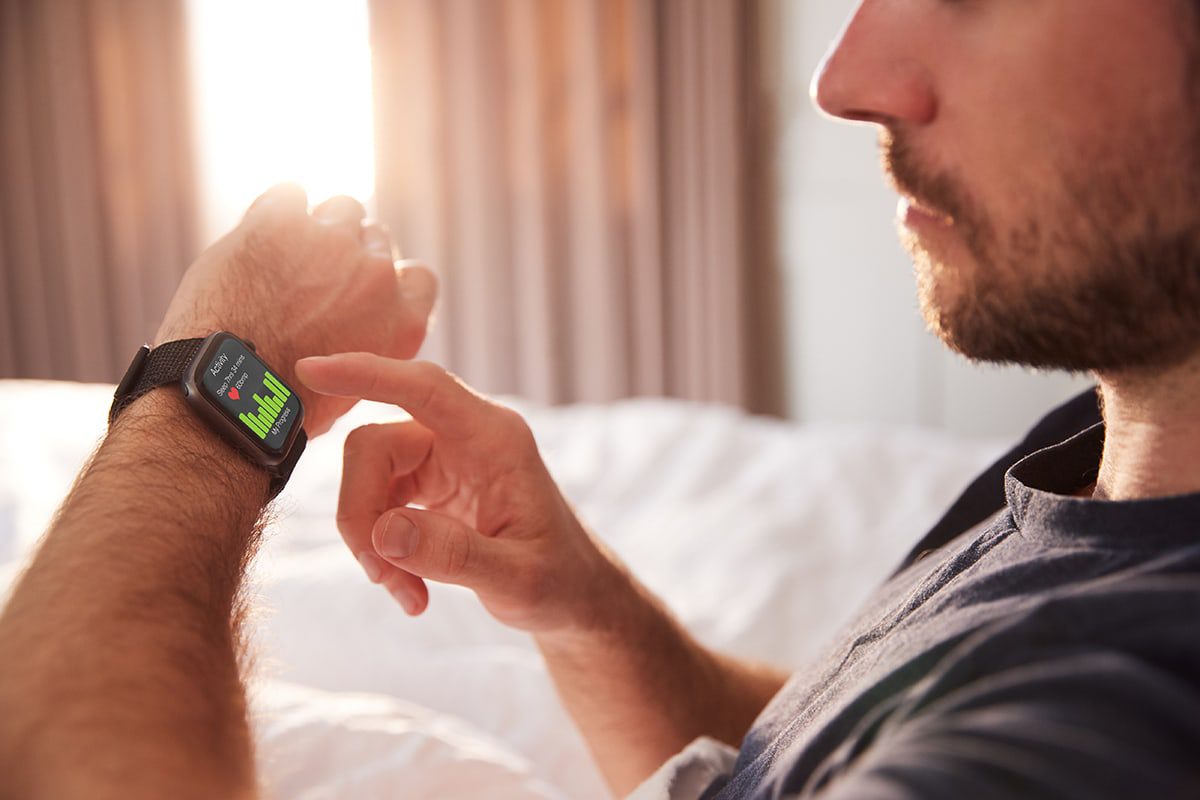
If you spend any time on wellness-adjacent corners of the internet, you will have encountered the clip by now. A prominent entrepreneur and podcaster describes how two glasses of wine essentially derailed several days of his life: worse sleep, worse output, worse everything. He knew this, he explained, because his wearable device told him so. The clip went viral, and not entirely in the way its subject might have hoped.
The pile-on was swift. BBC Radio 1 presenter Greg James became one of the louder voices in what has become an unlikely culture war between the data-driven self-optimisers and everyone else who would quite like to enjoy a glass of wine at a wedding without consulting their cortisol levels afterwards. But underneath the mockery, something more interesting is happening. A genuine reckoning with where wellness culture has taken us, and whether, in our attempts to engineer perfect health, we have actually made ourselves more fragile.
It is a question that writer and performance coach Brad Stulberg has been asking for years. His recent essay on the subject cuts to something that many people in the health and wellness space have been quietly thinking: the obsessive pursuit of optimisation does not make you more resilient. It may be doing the opposite.
What does it mean to be fragile?
Stulberg’s argument is not that data and tracking are inherently bad. It is more nuanced than that. The problem is the mindset that data-obsession can produce: a belief that you must be functioning at precisely 100 percent in order to perform. That a poor score on a wrist-worn device is a legitimate reason to write off a day. That the normal messiness of human life, a bad night’s sleep, a couple of celebratory drinks, a sick child at 3am, is an unacceptable deviation from the plan.
Research published in the journal Brain Sciences in 2024 surveyed 523 adults and found that the prevalence of what sleep scientists have termed “orthosomnia” ranged from 3 to 14 percent of wearable users, depending on how strictly the criteria were applied. Orthosomnia, a term first coined in a 2017 clinical study, describes a preoccupation with achieving perfect tracked sleep that ironically leads to worse actual sleep. The people most at risk, according to Dr Rebecca Robbins, a sleep scientist at Brigham and Women’s Hospital and Harvard professor, tend to be those already prone to anxiety and excellence-seeking. The same high-achieving, detail-oriented people, in other words, who are most drawn to biohacking culture in the first place.
The mechanism is almost elegantly cruel. You buy a device to improve your sleep. The device gives you a score. You become anxious about the score. The anxiety disrupts your sleep. Your score gets worse. The device, designed to help, has become a source of the very stress it was supposed to resolve.
What does the science say about tracking and performance?
This is not to say that wearables have no value. Used well, sleep and recovery tracking can offer useful patterns over time, helping you identify how things like alcohol, exercise timing, or screen use genuinely affect your sleep quality. The distinction, though, is between using data as a tool for self-knowledge and using it as a verdict on your worth for the day.
Research consistently shows that the scores these devices generate are imprecise. Dr Kelly Baron, who leads the behavioural sleep medicine programme at the University of Utah and coined the term orthosomnia, has noted that the claims of consumer wearable devices frequently outpace the science. Most lack independent validation against polysomnography, the clinical gold standard for sleep measurement. When people trust an inaccurate score over how they actually feel, the device stops serving them.
There is also the broader question of what over-tracking does to your relationship with normal fluctuation. Stulberg, in researching his book The Way of Excellence, interviewed over a hundred elite performers: Olympians, musicians, entrepreneurs, authors. Not one of them reported that things went according to plan 100 percent of the time. The golfer JJ Spaun won the 2025 US Open on virtually no sleep after his two-year-old daughter fell ill the night before. He describes the night as chaos. He outplayed the field anyway.
The point is not that sleep deprivation is irrelevant to performance. It clearly matters. The point is that the story you tell yourself about how depleted you are may matter just as much.
So should you ditch the tracker?
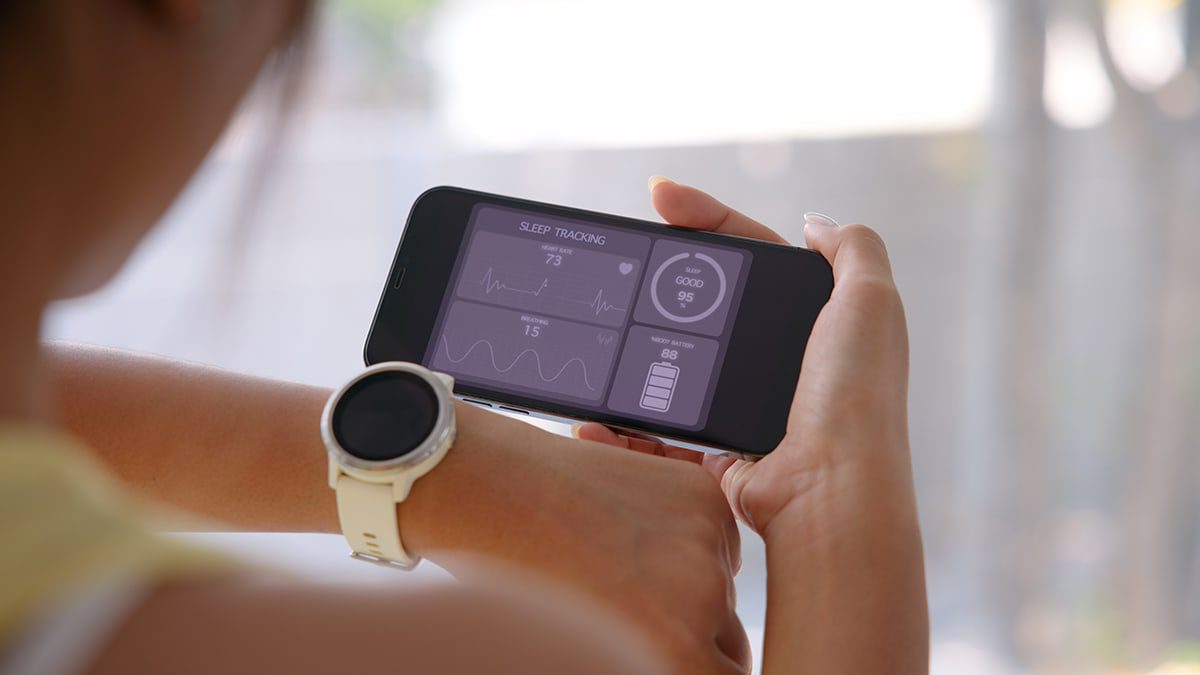
Probably not, if it genuinely helps you. But if you have found yourself skipping social events because your readiness score is suboptimal, or writing off a workout because your ring gave you a 62, it is worth asking who is in charge: you or the algorithm.
The backlash against biohacking culture that is gathering pace in 2026 is best understood not as a rejection of wellness, but as a maturation of it. The Global Wellness Summit’s 2026 report puts it plainly: wellness is moving away from optimising harder and towards feeling more connected and more alive. Somewhere between the fourth wearable on your wrist and the third supplement in your morning stack, the pursuit of health started to feel joyless.
The goal was never to engineer a perfect body. It was to feel good, perform well, and live fully. Those things require some capacity to absorb disruption, to make breakfast, walk the dog, and get on with your day even when the numbers say otherwise. That is not a failure of discipline. It is what resilience actually looks like.
If you do want to support sleep and recovery without handing your nervous system over to an algorithm, focusing on fundamentals tends to go further than any score: consistent sleep and wake times, adequate protein throughout the day, and the willingness to accept that most nights will be imperfect and that is entirely fine.
Life, as Stulberg puts it, is not meant to be optimised, it’s meant to be lived.