
Nitrate-Rich Vegetables: The Most Underrated Performance Foods?


There is a small but significant ritual that has become standard in the kit bags of serious endurance athletes: the pre-race beetroot shot. Concentrated, slightly earthy, often consumed with the grim focus of someone taking medicine, it has become shorthand for serious sports nutrition. The problem is that while athletes have been reaching for concentrated supplements and juices, they may have been overlooking nitrate-rich vegetables hiding in plain sight, starting with the spinach on their lunch plates.
Dietary nitrates, the naturally occurring compounds found abundantly in certain vegetables, have been studied for their effects on exercise performance for well over a decade. But most of that conversation has centred on supplementation, specifically beetroot juice extract, rather than whole foods. A major study published in June 2026, drawing on data from more than 54,000 adults followed for up to 27 years, has now added a striking new dimension to that picture: where your nitrate comes from appears to matter just as much as how much you consume. People who got their nitrate primarily from vegetables showed significantly more beneficial outcomes than those getting it from other sources.
For anyone who trains regularly, that distinction is worth understanding properly.
What do nitrate-rich vegetables actually do in the body?
When you eat nitrate-rich vegetables, the process that follows is more interesting than it might sound. Nitrate from food enters the bloodstream and a portion is taken up by the salivary glands, concentrating in saliva. Anaerobic bacteria on the surface of the tongue then reduce that nitrate to nitrite. Once swallowed, some of that nitrite is converted into nitric oxide (NO) in the acidic environment of the stomach, while more enters the systemic circulation.
Nitric oxide is a signalling molecule with a significant role in exercise physiology. It supports vasodilation, the widening of blood vessels, which improves blood flow and oxygen delivery to working muscles. It also plays a role in mitochondrial efficiency and muscle contractility. The practical upshot: better blood flow, potentially lower oxygen cost for a given workload, and improved endurance capacity. Research published in Sports Medicine (2025), an umbrella review of 20 meta-analyses on dietary nitrate and exercise performance, found evidence of meaningful benefits particularly in time-trial efforts and high-intensity work.
The key phrase in all of this is “vegetable-derived.” The June 2026 study from Edith Cowan University and the Danish Cancer Research Institute found that vegetable nitrates were consistently associated with positive health outcomes, while nitrate from processed meats and animal products was not. Researchers believe this comes down to the broader nutritional context. Vegetables supply vitamins and antioxidants alongside nitrate, and those compounds appear to direct the nitrate towards beneficial nitric oxide production, rather than towards N-nitrosamines, compounds that form more readily in the absence of those protective cofactors.
Which nitrate-rich vegetables are the highest sources?
The sports nutrition world’s focus on beetroot is understandable: it is one of the most researched sources and its juice form makes dosing straightforward. But several everyday salad staples contain comparable or greater concentrations of nitrate per 100 grams, and most people simply are not eating them with performance in mind.
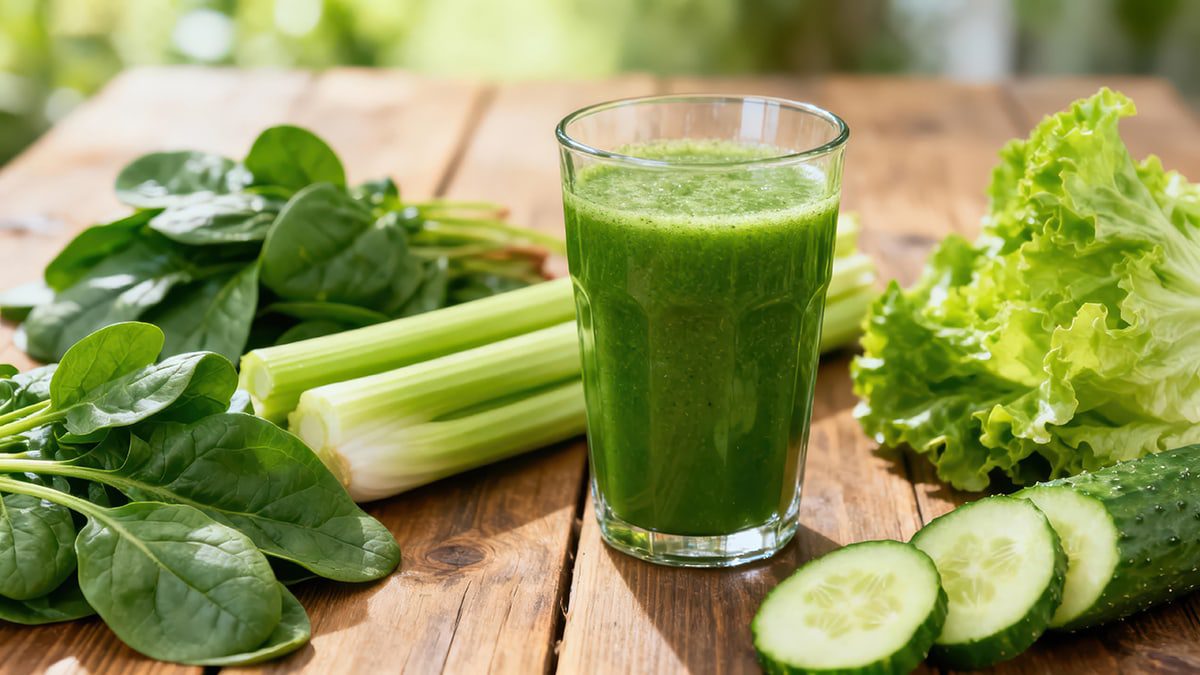
Rocket (arugula) consistently ranks among the highest nitrate vegetables available. Alongside it, spinach and celery are both recognised as significant sources, with leafy greens like lettuce and watercress also contributing meaningfully. These vegetables typically contain upwards of 250mg of nitrate per 100 grams of fresh weight. A review published in the International Journal of Molecular Sciences (2026) described nitrate-rich vegetables as an increasingly recognised subgroup of phytochemical-dense foods, noting their potential across vascular, metabolic, and cognitive function.
A practical reference point from the June 2026 study: the amount of vegetable nitrate associated with positive outcomes was roughly equivalent to one cup of baby spinach per day. That is not a demanding target for most people who already eat vegetables regularly. The issue tends to be awareness, not access.
One note on preparation: cooking can reduce nitrate content, so consuming these vegetables raw where possible, in salads or smoothies, tends to maximise what reaches your system. Chewing thoroughly also matters, since the bacteria on the tongue that begin the nitrate-to-nitrite conversion need adequate contact time to do their work.
How does this translate to your training?
The question of timing and dose is where things get nuanced. Much of the research on dietary nitrate and exercise has used concentrated beetroot juice delivering around 400mg of nitrate, typically consumed two to three hours before exercise. Whole food sources can reach comparable nitrate concentrations, but it takes deliberate planning rather than a single pre-workout shot.
The more practical application for most people is not pre-workout optimisation, but consistent daily intake as part of a generally well-constructed diet. Green leafy and root vegetables account for around 80% of the body’s nitrate supply, so regular consumption keeps plasma nitrate stores elevated rather than relying on a single acute dose. Research exploring spinach as an alternative to beetroot, published in the International Journal of Molecular Sciences (2024), found that both red and green spinach varieties could support exercise performance and recovery in healthy subjects, suggesting that variety in plant food choices is an effective strategy.
For endurance athletes specifically, the cardiovascular benefits are the primary draw: improved oxygen efficiency and blood flow during sustained effort. For gym-based training, the evidence is more mixed, though some studies suggest benefits for higher-intensity and repeated-sprint work. The honest summary is that dietary nitrate is not a performance silver bullet, but it is a well-supported ergogenic tool, and obtaining it through whole vegetables rather than supplements means you are also getting fibre, antioxidants, and a range of phytochemicals that work synergistically with the nitrate itself. If you are also thinking about recovery nutrition more broadly, vegetables are a natural part of that picture too.
Building nitrate-rich foods into your meals
The practical piece is simpler than most sports nutrition advice. A handful of rocket in a sandwich, spinach blended into a post-workout smoothie, celery alongside hummus as an afternoon snack: these are not dramatic dietary overhauls. They are the kind of incremental, sustainable choices that accumulate into meaningful nutritional support over time. For those thinking about how to structure fuelling around training, adding nitrate-rich vegetables at most meals is a logical place to start.
A rough framework for consistent intake might look like this: a large green salad with rocket or watercress at least four or five days a week; spinach added to smoothies or scrambled into breakfast dishes; celery as a regular snack or soup base; and beetroot eaten as a whole vegetable rather than only in juice form. Variety matters here, not because each vegetable does something dramatically different, but because a broader range of plant foods supports the gut microbiome, which in turn supports the oral bacteria responsible for the nitrate-to-nitrite conversion.
The June 2026 research is primarily about long-term health outcomes rather than acute performance, but the mechanisms it points to, specifically the role of the vegetable food matrix in supporting beneficial nitric oxide production, are the same ones that underpin the exercise science. Good performance nutrition and good long-term health nutrition turn out to look quite similar. Which means that the spinach you had for lunch may have been doing more work than you realised.