
5 Of The Most Nutrient-Dense Foods To Add To Your Protein Shakes

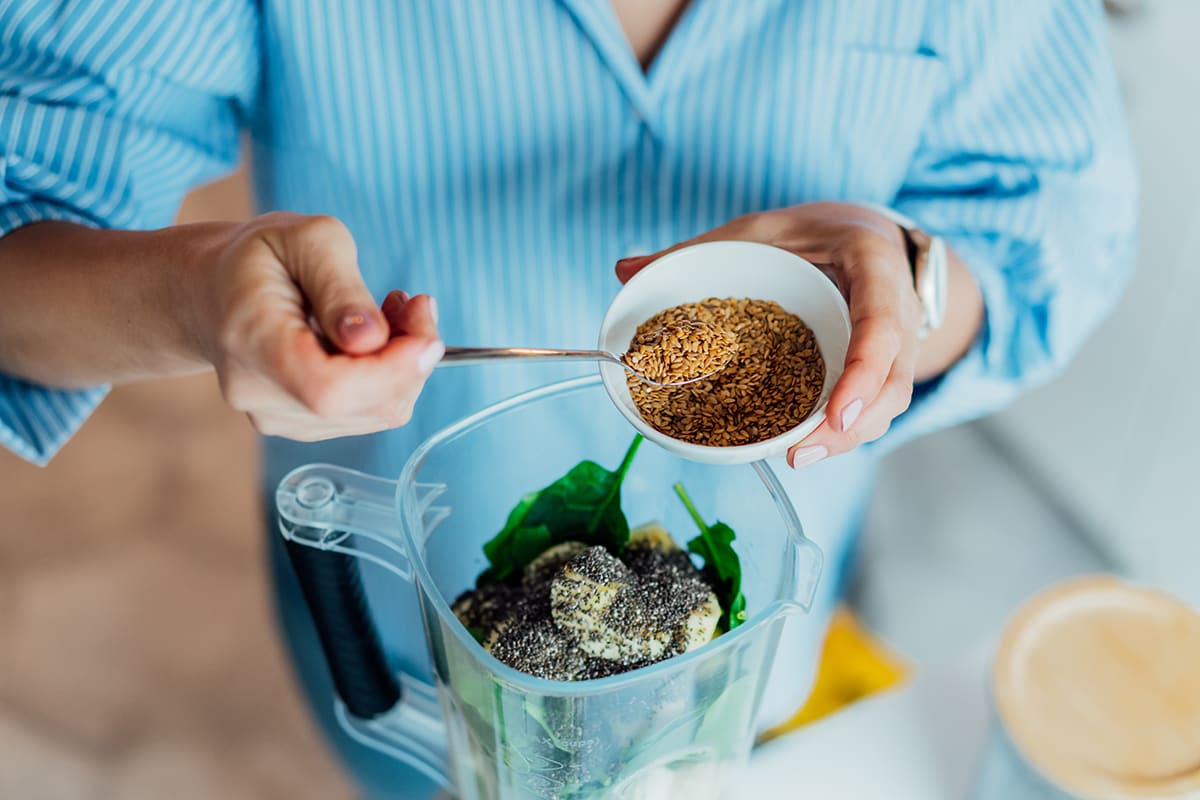
Sure, protein shakes are a convenient way of hitting your macros when you’ve got back-to-back plans and no time to knuckle down in the kitchen. But look beyond the grams of muscle-growing gains, and you’ll see that they’re also an opportunity to stack extra micronutrients, fibre and recovery-boosting compounds in your diet.
From omega-3–rich additions to antioxidant-heavy fruits and minerals that support muscle function, we asked a dietician to break down the smartest ingredients to upgrade your shake beyond just protein powder and oat milk.
1. Berries
From summer strawberries to winter cranberries, berries of all varieties are naturally abundant in antioxidants – disease-fighting substances found in certain foods that science suggests may lower our risk of heart disease, cancer and other diseases.
“Berries are also rich in polyphenols and vitamin C while being relatively low in sugar compared with many other fruits,” says Katie Sanders, Doctify-rated dietitian and nutritionist.
“Their antioxidant compounds are associated with benefits for cardiovascular and metabolic health, and they add natural sweetness and flavour to shakes.”
While you don’t need to buy all your groceries from an expensive whole foods shop or farmer’s market, berries are among the top foods recommended to buy organic because they have thin, porous skins that readily absorb pesticides. This is why they consistently score highly on the Environmental Working Group’s (EWG) ‘Dirty Dozen’ list – a ranking of fruits and vegetables with the highest pesticide residue levels.
If you’re concerned about price, organic frozen berries are a practical alternative. “They’re nutritionally comparable to fresh, convenient to store and often a more economical choice,” reckons Sanders. “Mixed frozen berries are something I regularly recommend because they make nutrient-dense additions simple and accessible.”
2. Nut butters
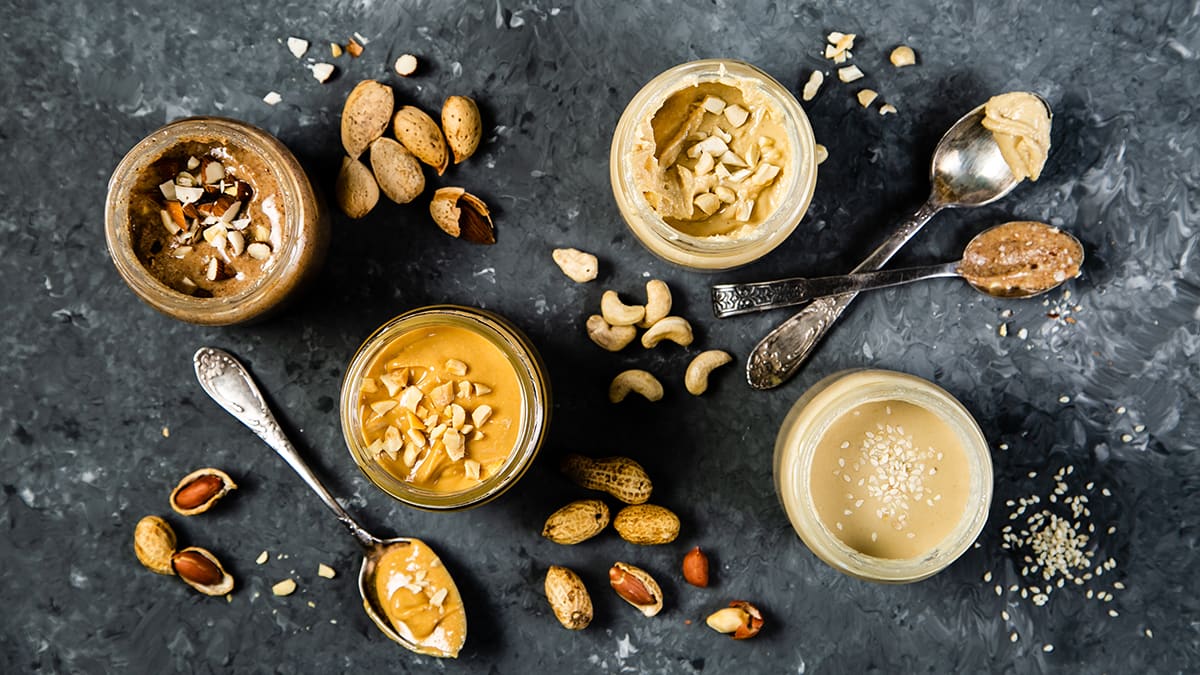
While just a decade ago classic peanut butter was practically the only option for getting your spreadable protein fix, now shelves are filled with spreads made from all kinds of nuts – from almond to cashew.
Sanders says that adding a dollop to your nutribullet can add extra depth to a pre-workout banana and espresso shake, keeping you full until lunchtime.
“Nuts are nutritional powerhouses because they provide unsaturated fats, plant protein, vitamin E, magnesium and a range of beneficial phytochemicals,” she notes. “They’re easy to incorporate into shakes, can contribute to healthy fat intake and increase overall energy density in a nutritionally balanced way.”
3. Seeds
Ever since gut health scientists changed the goalposts and told us we should be aiming for 30 different plants a week for a healthy microbiome, rather than the oft-quoted 5-a-day, more of us have been turning to seeds to pack more variety into our diet.
“Seeds are particularly nutrient-dense, as they supply fibre, healthy fats and important minerals such as zinc and magnesium in one hit,” Sanders explains. “Chia and flaxseeds also provide omega-3 fatty acids, which are thought to play a role in cardiovascular health.
“I love to add pumpkin seeds to my shakes too,” she recommends. “They’re an easy way to boost micronutrient and fibre intake.”
4. Leafy greens
If you don’t like the texture of wilted spinach and kale in your pasta, your daily shake is a great way to disguise your fix.
While you’d think that buying spinach fresh would be better for your health, a scientific ranking of the 100 most nutrient dense foods found that frozen varieties are far superior, as chilly temperatures help prevent the nutrients within from degrading. It’s also another crop that’s worth buying organic, as the EWG say that spinach has more pesticide residues by weight than any other type of produce.
“Leafy greens add vitamins, minerals and phytonutrients with minimal impact on the calorie content of your shakes, if that’s something you’re tracking,” says Sanders. “Spinach, for example, contributes folate, vitamin K and carotenoids, making it one of the best additions to throw into a blender.”
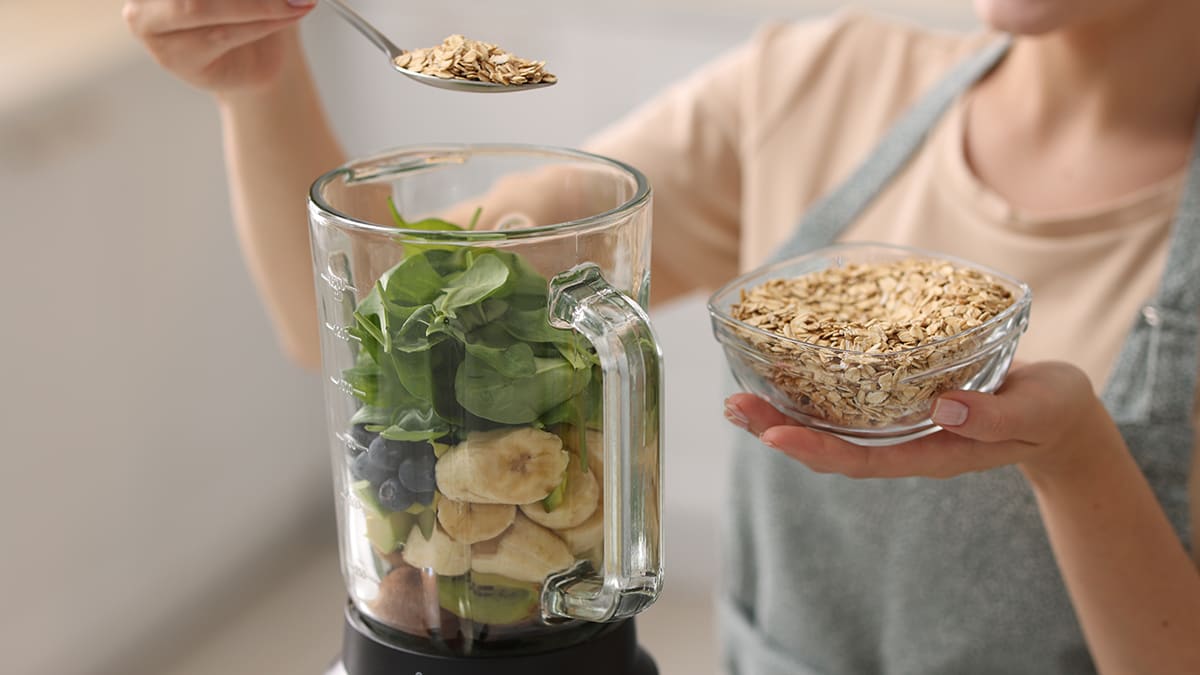
5. Oats
Cheap and versatile, whole grains like oats contain a soluble fibre called beta-glucan, which the British Heart Foundation say can help lower your cholesterol levels if you have 3 grams or more of it daily, as part of a healthy diet.
“Bulking out a protein shake with oats can also support more sustained energy release and make your shake feel more filling, which is particularly important if you’re drinking it in place of breakfast,” adds Sanders.
While loading your shake with extra plant-based fibre is always going to be a smarter and healthier solution than just leaning on powder plus water, Sanders says it’s important not to isolate foods as either ‘best’ or ‘worst’.
“No single ingredient makes a shake ‘healthy’ on its own; it’s overall balance and variety that matters the most,” she reminds.
So, rather than exclusively adding this handful of ingredients to your shakes, combine them with other fibre-rich fruits and vegetables – aiming to eat the full colour spectrum of the rainbow to help naturally hit all the nutrients your body needs.