
A Sleep Expert Explains Why These Two Countries Have Mastered the Science of Sleeping Well

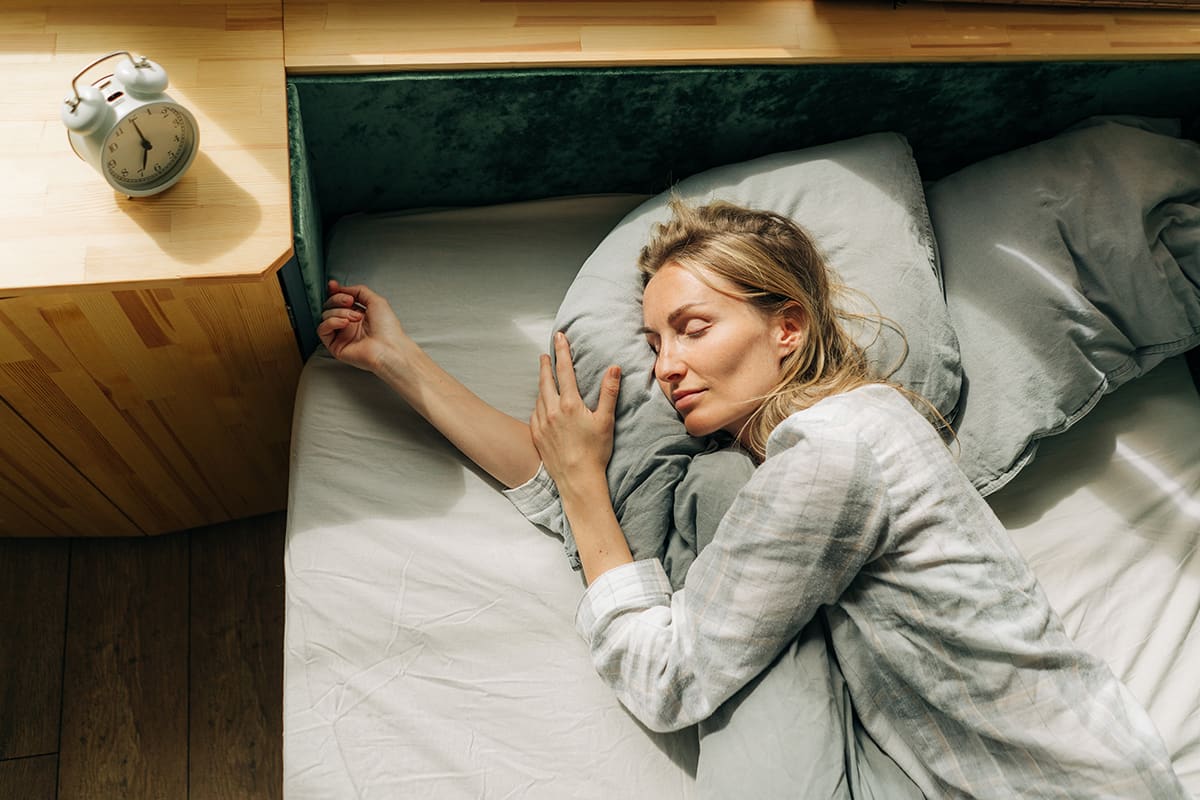
At the end of 2025, Finnish health technology company Oura published their annual Year in Review — a deep dive into how the world is sleeping, recovering and exercising. From the published data, plenty of stories could be unpacked — which country recovers the most effectively, for example, and which hemisphere had the highest step count — but there was one statistic that piqued my interest: where the world’s best sleepers live and, more importantly, how they sleep so well.
The two countries that took the top spot, incidentally, were neighbours — New Zealand, with an average sleep score of 80, and Australia, with 79.4. Austria and Denmark followed closely with 79 apiece and Sweden close behind with a no-less impressive 78.8. To help understand why Australasia is, evidently, the land of the best-rested, inForm spoke to licensed clinical psychologist and expert in behavioral sleep medicine Dr. Jessica Meers, owner of Houston-based psychotherapy practice Rhythm Wellness and found out exactly what we can do to level the playing field.
Biological blueprints
According to Dr. Meers, the success of gold standard sleepers in Australia and New Zealand is rooted in two crucial biological systems. The first is sleep pressure, or the biological build-up that makes the body want to sleep after enough time awake. As Dr. Meers explains, “When people keep a steady wake time, spend the day moving, and avoid long late naps, sleep pressure stays strong.”
The second system you’ve probably already heard of: circadian timing. It’s the internal clock that uses cues like light and darkness to release alerting versus sleep signals and, by aligning daily routines with these natural rhythms, these populations achieve a higher quality of rest. “When a population’s routines line up with those two systems,” says Dr. Meers, “sleep becomes more consolidated and less fragile.”

Cultural habits
The impressive metrics from Australia and New Zealand are rooted in certain societal behaviours that prioritise sunlight and, as a result, more efficient metabolic timing. In Australia, the ‘Dawn Patrol’ is a colloquialism for when beaches and parks become bustling by 5:30am with surfers, swimmers and walkers before work. This cultural drive to beat the midday heat and start the day with a jump of endorphins ensures that a vast portion of Australia’s population receives a daily ‘anchor’ of bright morning light, which Dr Meers identifies as the primary cue for setting the internal circadian clock.
Across the Tasman Sea, complementing this early start is New Zealand’s preference for early evening dining. Unlike many European cultures that eat late into the night, Kiwis typically peak their dinner service around 6:00pm. This habit allows the body to complete the heat-generating process of digestion well before bedtime, facilitating the drop in core body temperature necessary for the brain to transition into restorative sleep.
The metrics that matter
While many people obsess over a single night’s data, Dr. Meers argues that long-term resilience is built on different markers. “For long-term outcomes, the most meaningful markers tend to be regularity, continuity and daytime function,” she notes. She emphasises that a stable wake time and consistent sleep timing across the week are far more beneficial than hitting a specific hourly target.
Dr. Meers warns against the “perfect number” trap, noting that chasing a single target can backfire for those already anxious about sleep. Instead, she prioritises how you feel during the day. “A simple rule I use clinically is that daytime functioning over weeks beats any single-night score,” she explains. She also highlights the danger of “social jet lag,” which occurs when people swing their schedules between workdays and weekends: “The result is an internal sleep clock that has trouble predicting when to power down, and sleep can become more restless even when total time in bed looks fine.”
Sleep tech
With the understandable popularity of sleep devices like Oura, Dr. Meers provides a necessary caveat regarding how we interpret data and, to avoid the stress of “failing” a sleep score, recommends a shift in perspective. “A practical approach is to use trends, not nightly verdicts and to refer to lived experience over the device when they conflict.” Two common traps she identifies are over-interpreting specific stages like REM and deep sleep, and “letting the number decide how you feel, even when daytime functioning says otherwise.” By focusing on the broader trend — your sleep score for the month, for example — and wider sleep hygiene habits, rather than one nightly score, users can maintain a more balanced relationship with their sleep tech.
The reset
To help her clients work with their body’s natural clock, Dr. Meers recommends three foundational habits: picking a realistic wake time, getting bright light early in the day and keeping evenings dimmer. These steps support the body’s transition from alertness to rest. However, her most critical advice concerns what to do when sleep doesn’t come easily: “Spend less time awake in bed by getting up when you can’t sleep.”
This is vital because the brain learns through association. “When someone spends lots of time awake in bed, they can develop conditioned arousal,” Dr. Meers explains. “The bed starts to signal alertness rather than sleep.” To break this cycle, she suggests a simple reset: “Get out of bed after roughly 20 minutes awake, do something quiet and pleasant, then return when sleepiness shows up.” By protecting the bed as a space reserved only for sleep, you retrain your brain to power down more effectively. The best part? You don’t even have to move to the other side of the world.