
Ask Dr Adam: The Most Common Creatine Myths, Answered

For all its decades of research and consistent evidence, creatine still carries a reputation problem. Mention it to someone who has never taken it and the responses tend to follow a pattern: doesn’t that make you bloated? Isn’t it bad for your kidneys? Isn’t it just for men?
None of these concerns are entirely without origin. But most of them have been significantly overstated, or are based on misunderstandings that the evidence has long since addressed. We asked Dr Adam Collins to separate the science from the scaremongering.
Does creatine cause weight gain?
The short answer: it can, but the nature of that weight gain matters.
When creatine enters muscle cells, it travels alongside sodium, which naturally draws water with it. This shifts fluid from outside the cell to inside, causing the muscle to swell slightly. Anecdotally, people describe their muscles looking slightly fuller or more pumped. On the scales, this fluid shift can register as a weight increase of around one to two kilograms during a loading phase.
“It is important to be clear about what this weight is,” says Dr Adam. “It is not fat. It is intracellular water, which can be functionally useful. The muscle swelling associated with creatine is part of why it supports glycogen storage.”
If you skip the loading phase and start with 5g per day, the fluid shift still happens, but gradually over several weeks, making it far less noticeable. For anyone competing in a weight-category sport, or simply not wanting to see a sudden change on the scales, the slower approach is worth considering. Any longer-term weight gain beyond the initial fluid shift is typically due to increased muscle mass, the downstream result of training harder and recovering better.
Does creatine damage the kidneys?
This concern has followed creatine since the early days of supplementation research, and it is largely built on a single case study from nearly 30 years ago. On closer inspection, that individual had pre-existing conditions that were likely contributing factors. No confirmed instances of creatine supplementation causing kidney problems in healthy individuals have emerged in the decades since.
The confusion, Dr Adam explains, stems from a measurement issue. “Creatinine, which is creatine’s breakdown product, is routinely used as a clinical marker of kidney function. The logic is that if your kidneys are struggling, creatinine will accumulate in the blood. But if you are supplementing creatine, your creatinine will naturally be higher, because there is simply more creatine turning over. That elevation has nothing to do with kidney function.”
In other words, a GP who sees elevated creatinine in a patient taking creatine should know to interpret that in context. It is not a sign of dysfunction. The body of evidence on long-term creatine supplementation now spans decades and consistently supports its safety in healthy people.

Is creatine just for men?
The association between creatine and male bodybuilders is largely a legacy of how the supplement was originally marketed, and how sports science research has historically been conducted. Most early creatine studies used male participants. That skewed both the evidence base and, in turn, public perception.
“The benefits of creatine are not sex-specific,” says Dr Adam. “Strength, power, endurance, recovery, muscle maintenance: these are relevant to everyone, regardless of gender. The framing of creatine as something primarily for men says more about the history of sports nutrition research than it does about the physiology.”
There is also growing interest in the specific ways women may benefit from creatine, linked to hormonal variation across the menstrual cycle, perimenopause and menopause, and even pregnancy. The research in this area is still developing, but the direction is intriguing.
The bottom line
Creatine is, by the standards of sports nutrition, an exceptionally well-researched supplement. The concerns most commonly cited against it, weight gain, kidney damage, gender-specificity, are either context-dependent, based on misinterpretation, or simply not supported by the evidence.
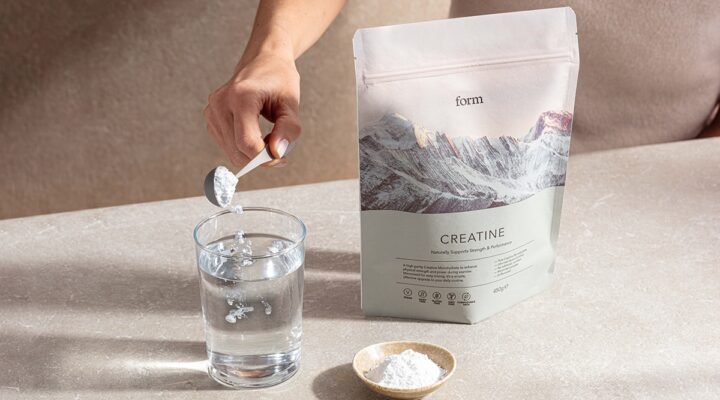
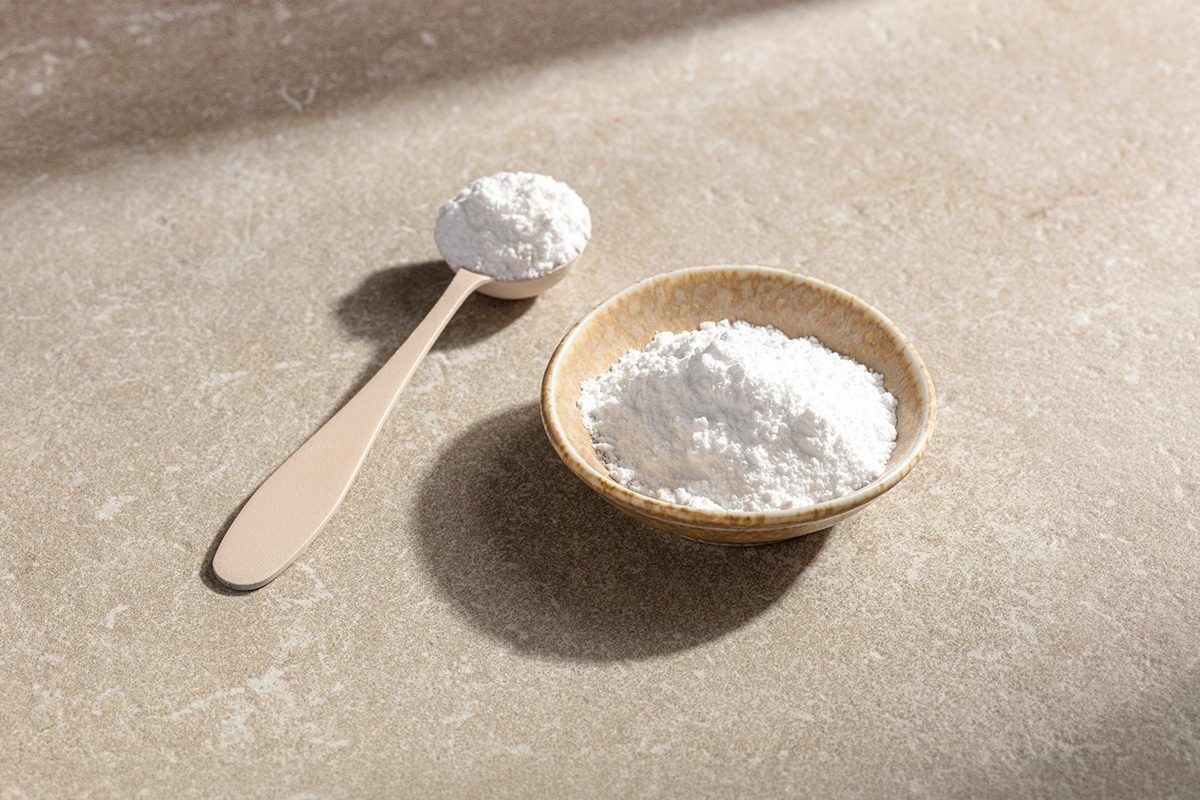
“If you are eating a plant-based diet, or just not eating large amounts of meat, your baseline creatine stores are likely lower than they could be,” says Dr Adam. “Supplementing is a straightforward and well-evidenced way to address that.” Form’s creatine monohydrate is unflavoured and straightforward to incorporate into a daily routine, whether alongside a post-workout shake or stirred into drinks.
For most people, the more useful question is not whether creatine is safe. It is whether you have a good reason not to be taking it.
You can find Form Creatine here – highly micronised for smooth, grit-free mixing, Informed Sport Certified, with no fillers, no additives and no plastic packaging.
References
- Antonio J, et al. (2021). Common questions and misconceptions about creatine supplementation: what does the scientific evidence really show? Journal of the International Society of Sports Nutrition.
- Kreider RB, et al. (2017). International Society of Sports Nutrition position stand: safety and efficacy of creatine supplementation in exercise, sport, and medicine. Journal of the International Society of Sports Nutrition.