
Fuelled By Form: Emma Bardwell
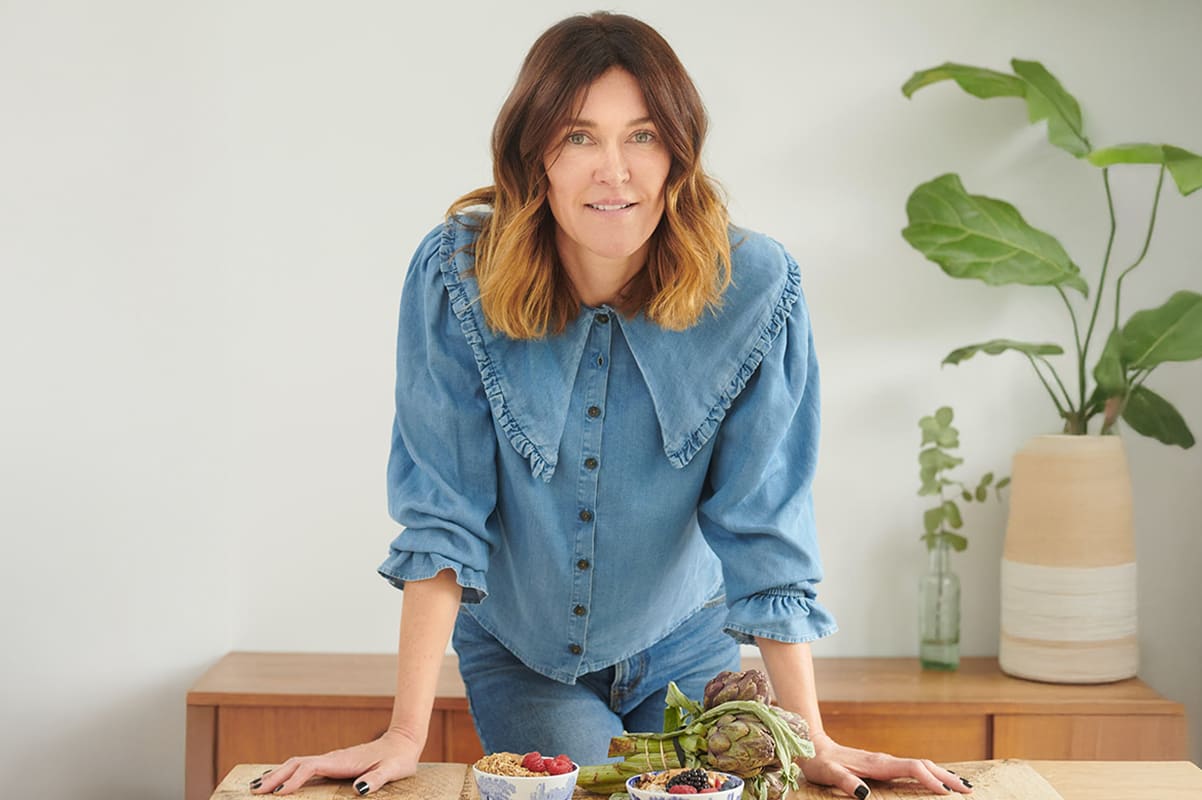
The symptoms of menopause are pretty well-documented, but it’s only in recent years that wider attention has turned to the positive lifestyle changes that can make the hormonal shifts of midlife an easier ride. That’s partly thanks to experts like Emma Bardwell (@emma.bardwell) who have successfully opened up conversations around perimenopause and diet, helping women to access the reliable information they need.
Bardwell’s interest in the subject began when she started experiencing symptoms over a decade ago – and quickly discovered just how difficult it was to find reliable nutrition information to support informed choices.
Three bestselling books and thousands of Instagram followers later, she’s become one of the wellness industry’s go-to sources for all things healthy ageing, with a specific focus on the benefits of eating more dietary fibre as we age.
In the latest instalment of our rolling content series, Form caught a coffee break with Bardwell to talk perimenopause myths, unsung kitchen staples and her favourite no-nonsense health advice.
How did you first become interested in nutrition, specifically around perimenopause and menopause?
Honestly, it started with me wondering why, at 42, my body suddenly had a mind of its own. I delved into the research for myself, then quickly realised how many women were navigating the same changes with very little guidance. The more I learned about nutrition’s role, the more I realised it’s one of the most empowering tools we have at this life stage – so I made it my focus.
This was way back in 2016, when no one was really talking about menopause. Fast forward to today and, thankfully, the subject is no longer taboo. The issue now, however, is that the industry has become so crowded that women are feeling overwhelmed. My mission is to cut through that noise with no-nonsense programmes, books and advice that get women results – and which slot seamlessly into their busy lives. Simplicity is key.
How are diet and the perimenopause connected, and how can focusing on diet help manage symptoms?
Levels of oestrogen and progesterone start fluctuating wildly, and that unpredictability drives many of the classic symptoms: hot flushes, mood swings, poor sleep, weight shifts, anxiety and changes in energy. Nutrition can help calm some of the chaos. While it isn’t a cure-all, the right dietary approach supports your body as it adapts to these hormonal changes.
Focusing on balanced meals with enough protein, fibre and healthy fats can stabilise blood sugar, support muscle and metabolism, and promote gut and hormone health. Nutrient-rich foods, including omega-3 fats, fibre and phytoestrogens, may also help ease symptoms such as hot flushes, inflammation and mood fluctuations. What you limit matters too – reducing caffeine, alcohol and ultra-processed foods can improve sleep, energy and overall wellbeing for some women.
What’s one perimenopause myth you’re keen to bust?
That it’s all downhill from here. This is absolutely not the case. Menopause is a transition, not an ending, and with the right support (including nutrition), many women actually feel stronger, more empowered and more driven than ever.
What does a typical day of eating look like for you?
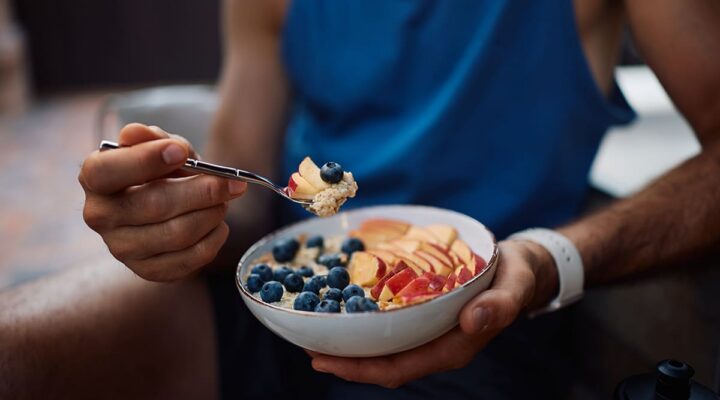
Pretty normal, to be honest. Breakfast is usually something quick but protein-rich – think eggs (plus some extra whites) and avocado on rye toast, or Greek yoghurt with lots of berries and a mix of nuts, or a smoothie. Lunch is often a big salad with some fish and chickpeas chucked in, plus something crunchy, like seeds, because life is better with crunch. Dinner tends to be a one-pan situation loaded with veggies and a good protein source. And I love chocolate – I finish the day with a few squares every evening.
How does Form support your fitness and health goals?
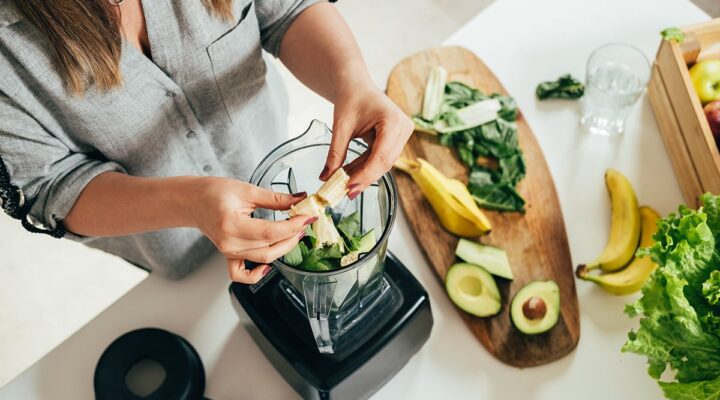
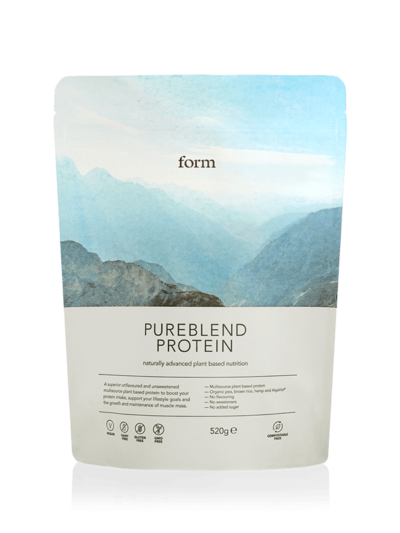
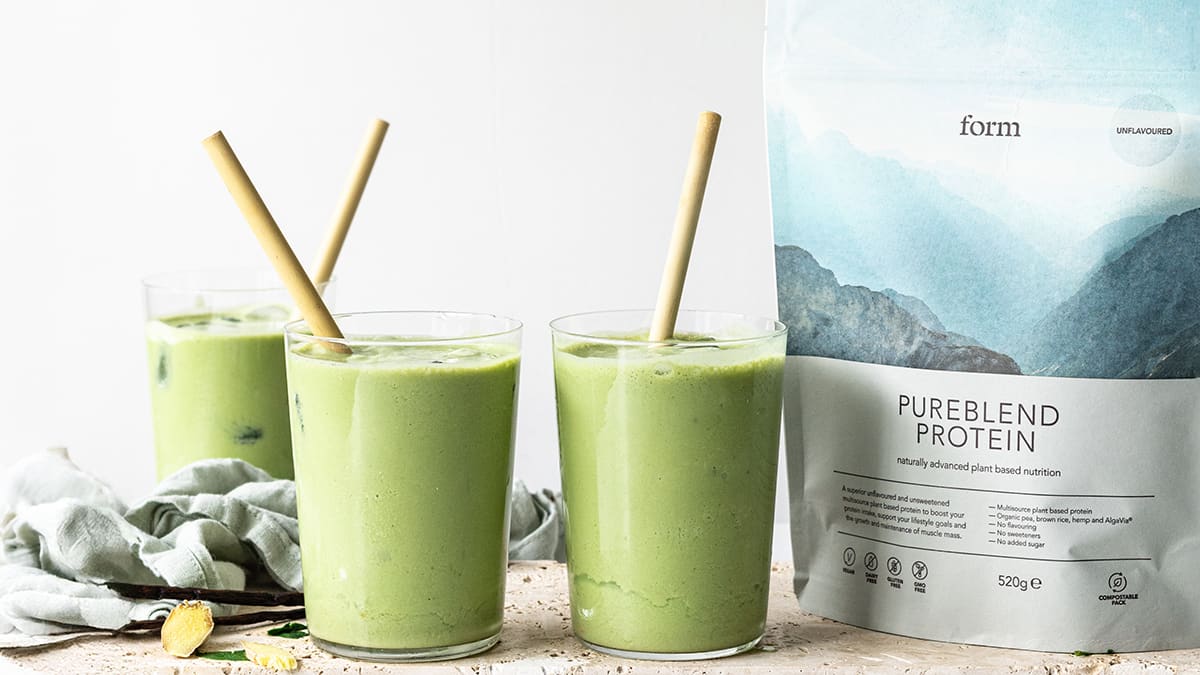
Form is my shortcut on busy days. The protein powders help me hit my targets without overthinking, and the blends make it easy to support my training and recovery. My go-to is Pureblend. I love it because it doesn’t taste of anything and has no added sugars or sweeteners. I’ve been using it for years and recommend it in clinic too. I usually have it with a handful of spinach or kale, half a frozen banana, soya milk and some peanut butter – it keeps me going for hours.
Are there any wellness rituals you swear by?
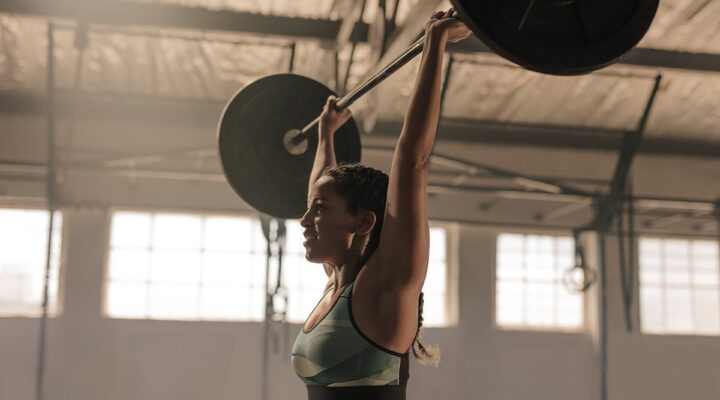
I’m pretty committed to getting my 10,000 steps, so I walk everywhere I can. I lift weights a few times a week but never for more than 30 minutes – building muscle is the closest thing we have to a real-life superpower during perimenopause. I’m also a sucker for an Epsom salt bath; it’s the best way to round off a busy day, and I’m convinced it helps me sleep better.
What’s your go-to recipe when you want to nourish your body?
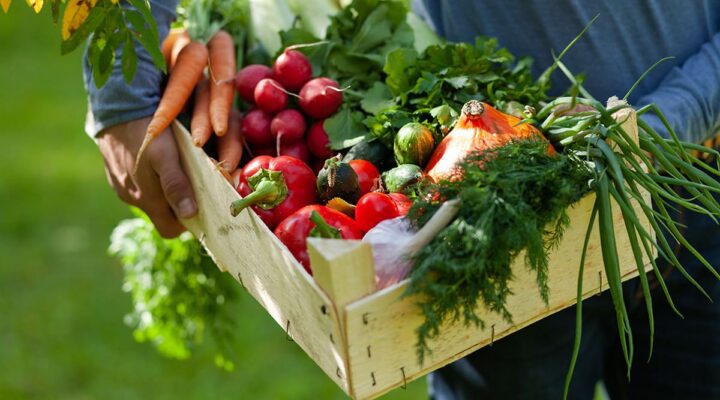
A stir-fry with tofu, prawns or salmon, loads of greens, ginger, sesame and whatever vegetables are threatening to wilt in the fridge. I’ll whack in some pre-cooked brown rice at the end too – those pouches are an absolute godsend. Most of my meals are fast, colourful and simple, but that doesn’t mean they scrimp on flavour.
Most underrated ingredient + why?
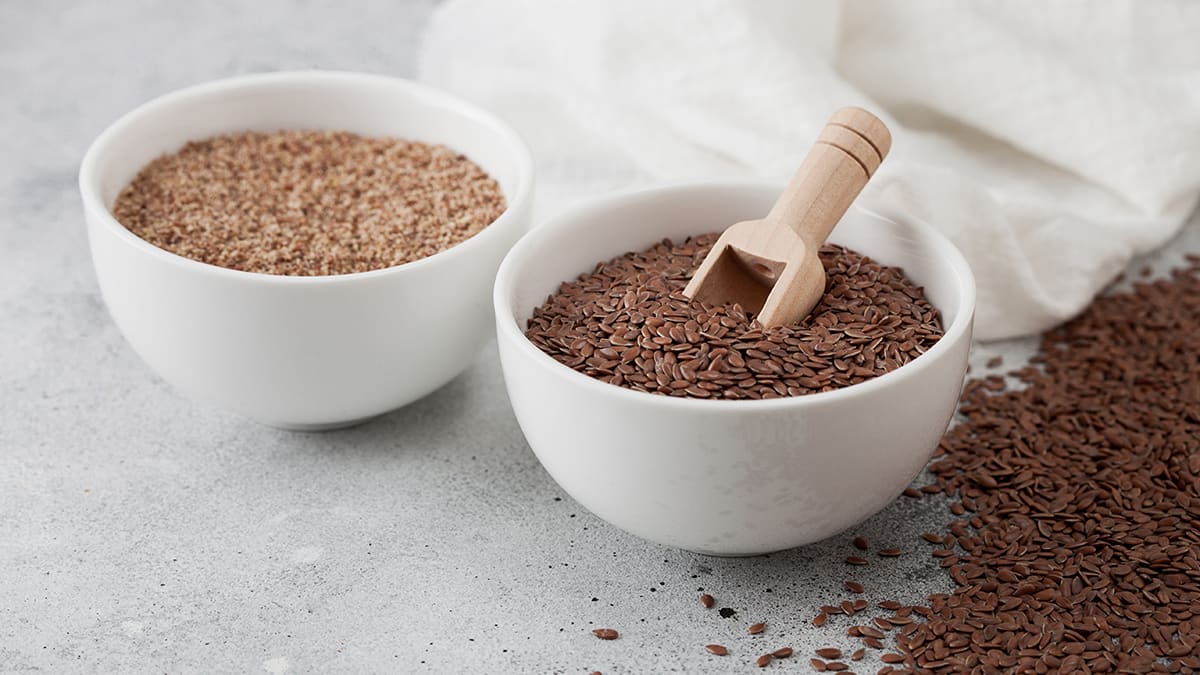
Flaxseed. It’s not glamorous, but it’s full of fibre, healthy fats and phytoestrogens that can support hormones. Plus, you can sneak it into almost anything without anyone noticing. I add it to baking, sprinkle it over porridge and chuck it into smoothies – just make sure you grind the whole seeds in small batches and keep them in the fridge to prevent the omega 3 fats oxidising.
What’s the best piece of health and wellness advice you’ve ever been given?
“You don’t have to overhaul your life – just repeat the small things that make you feel good over and over.” It sounded too simple at first, but it’s the one thing I come back to, and it forms the basis of all my online courses and books. Midlife women are spinning a lot of plates; the last thing they need is a complicated, overly restrictive plan. Honestly, you can get incredible results simply from doing the basics really well – and on repeat.
If you were a kitchen utensil, what would you be?
A spatula – the flexible kind. Reliable, unfussy, great at scraping together the last of the good stuff and surprisingly good at cleaning up when things get a bit messy.