
What Is Nervous System Regulation, And Why Does It Matter?

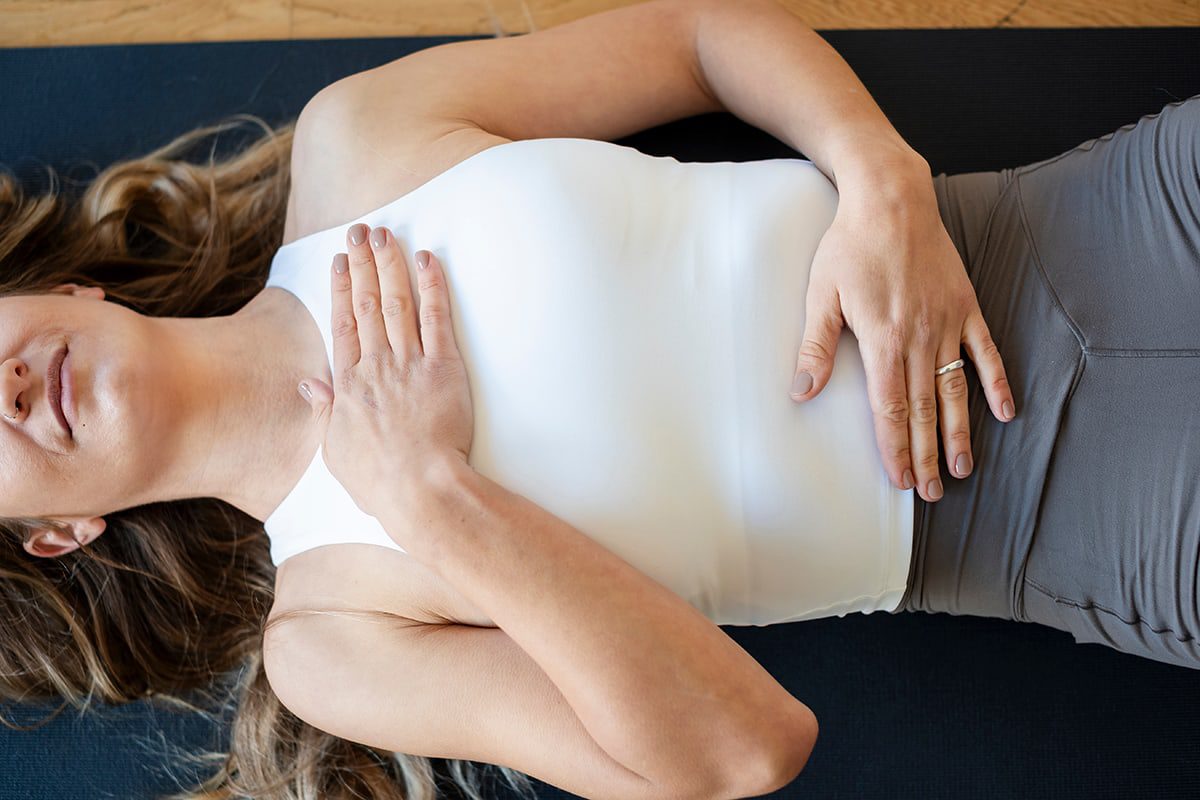
At some point in the past couple of years, “nervous system regulation” quietly became one of the most searched phrases in wellness. It appears in therapy waiting rooms, morning routine videos, and the captions of people lying on their yoga mats explaining why they can’t respond to emails right now. It is used to describe everything from breathwork to cold showers to the particular calm that comes from stroking a dog.
The phrase sounds clinical enough to feel credible, but vague enough to mean almost anything. And that vagueness is doing a lot of work. Because underneath the wellness language there is a legitimate and genuinely fascinating piece of science, one that is worth understanding properly rather than reducing to a mood board caption.
So: what does nervous system regulation actually mean, what is the autonomic nervous system and why does it matter, and which of the popular techniques hold up under scrutiny?
What is the autonomic nervous system?
The autonomic nervous system (ANS) is the part of your nervous system that operates below conscious awareness. It governs heart rate, breathing, digestion, immune response, and the way your body allocates energy depending on whether it perceives threat or safety. It does this automatically, which is rather the point.
The ANS has two primary branches that most people have heard of: the sympathetic nervous system, responsible for the fight-or-flight response, and the parasympathetic nervous system, often described as rest-and-digest. These two systems are not binary switches but exist in a constant, dynamic interplay. Stress activates sympathetic dominance; rest and recovery shift the balance back toward parasympathetic activity.
A more recent and influential framework, polyvagal theory, developed by neuroscientist Dr Stephen Porges in 1994, adds a third layer to this picture. It describes how the autonomic nervous system cycles through three distinct states depending on whether you feel safe, threatened, or overwhelmed. The ventral vagal state, associated with safety and social connection, is where calm focus, emotional flexibility, and genuine recovery happen. The sympathetic state mobilises the body for action. And the dorsal vagal state, the oldest evolutionary layer, produces shutdown, dissociation, or the kind of flatness that comes from being overwhelmed for too long.
It is worth noting that while polyvagal theory has been enormously influential in therapy and wellness, its anatomical and evolutionary claims should not be taken as settled neuroscience. The core observation that vagal tone correlates with social-emotional functioning and stress resilience is well-supported; the mechanistic model proposed to explain this correlation is more speculative. That nuance rarely makes it into the Instagram version.
So what does ‘regulation’ actually mean?
Regulation does not mean calm. This is one of the most common misunderstandings in the wellness conversation around this topic. A regulated nervous system is not one that never activates the stress response; it is one that can move between states fluidly and return to baseline without getting stuck.
The problem for most people living modern lives is not that they experience stress. It is that the nervous system never fully gets the signal to stand down. Chronic low-grade activation, driven by irregular sleep, constant digital stimulation, financial pressure, and the ambient noise of modern work culture, keeps the sympathetic system running at a low hum even when there is no immediate threat. Over time, this reduces what researchers call vagal tone: the efficiency of the vagus nerve in shifting the body back toward the parasympathetic state.
The vagus nerve is central to this whole conversation. It is the longest cranial nerve in the body, running from the brainstem through the neck, heart, lungs, and digestive system. It is the primary vehicle of parasympathetic activity, and its tone, essentially how readily it fires, is measurable via heart rate variability (HRV). Higher HRV is generally associated with greater resilience, better emotional regulation, and lower risk of cardiovascular disease.
Which techniques actually have evidence behind them?
This is where the wellness content tends to get impressionistic. The claim that a particular practice “regulates your nervous system” is made about almost everything from journalling to forest bathing to specific frequencies of music. Some of these have more evidence than others.
Breathwork
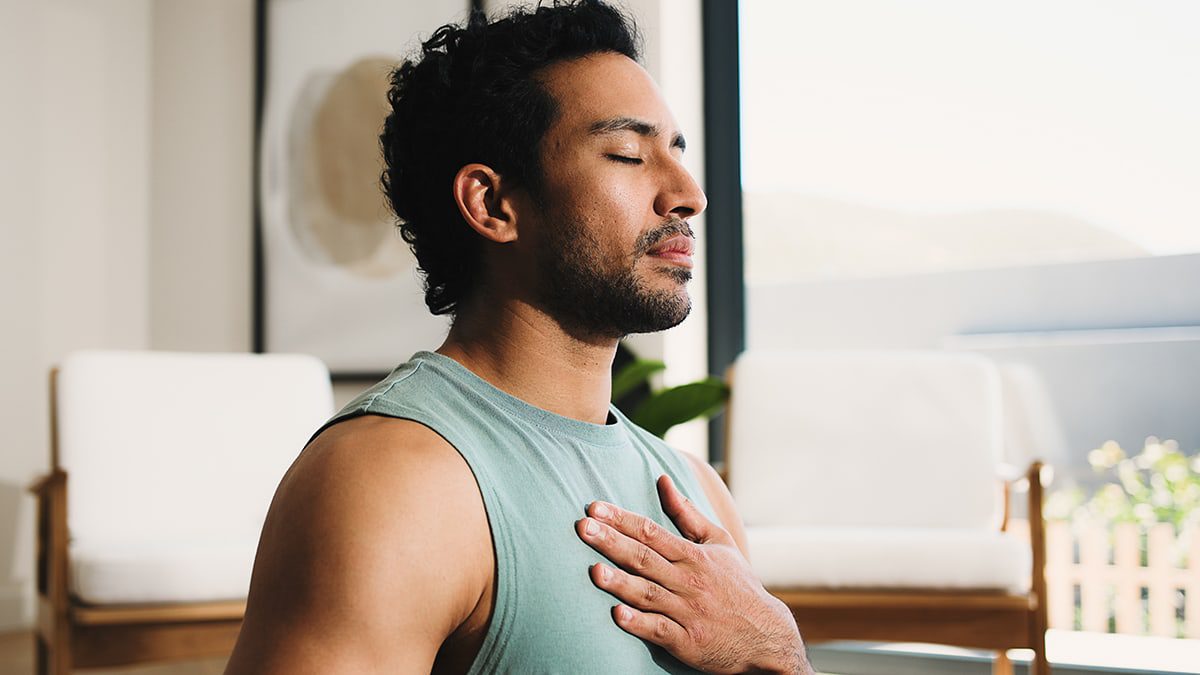
The evidence here is probably the strongest of any technique in current wellness circulation. By extending the exhale, you tip the balance toward the parasympathetic side of the nervous system and directly stimulate vagal activity. Research on breathing ratios confirms this: higher heart rate variability occurs specifically during slow breathing with extended exhalation, at a ratio where the exhale is roughly four times longer than the inhale.
Slow, deep breathing at around 4-6 breaths per minute maximises respiratory sinus arrhythmia, the primary mechanism by which breathing influences heart rate and therefore autonomic balance. In practical terms: inhale for a count of four, exhale for a count of eight, breathing into the belly rather than the chest. This is not mystical. It is physiology.
Cold exposure
Cold water immersion and cold showers have accumulated a reasonable body of evidence, though it is worth separating the verified from the extrapolated. Brief exposure to cold, such as taking a cold shower or splashing cold water on the face, may stimulate the vagus nerve by activating the parasympathetic nervous system. The diving reflex, triggered by cold water on the face in particular, produces an almost immediate drop in heart rate. That part is well-established.
The broader claims around chronic cold exposure building long-term nervous system resilience are more contested. The research base, much of it associated with the Wim Hof method, shows interesting effects on immune function and autonomic response, but the studies are often small and the mechanisms debated. Cold exposure appears to be a useful acute regulation tool; whether it produces lasting structural change in vagal tone is still an open question.
Vagal toning practices
Evidence-based methods for improving vagal tone include breathwork with extended exhales, movement practices combining breath and rhythm such as yoga and tai chi, singing or humming, and regular warm social connection. The last one is consistently underrated in wellness content, possibly because it is harder to film. Polyvagal theory places considerable emphasis on co-regulation: the way that genuine social connection, calm voices, and felt safety in the presence of others directly activates the ventral vagal system. Your nervous system, in other words, is not purely a solo project.
Somatic exercises
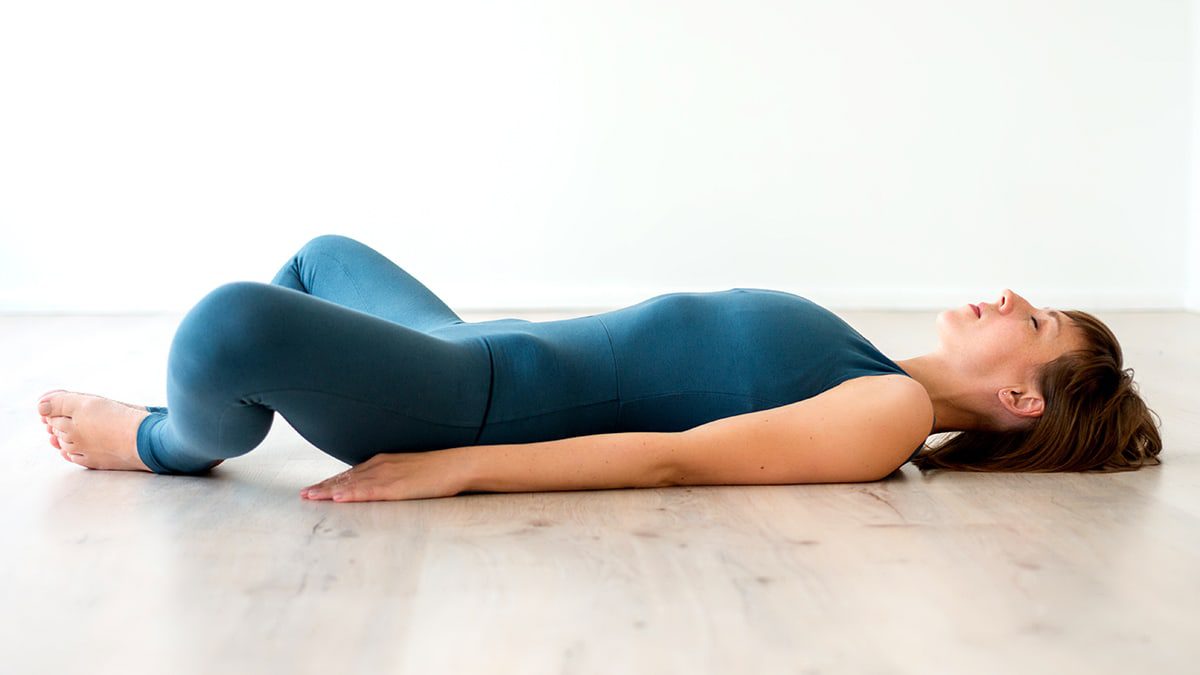
Somatic exercises are body-based practices designed to bring conscious awareness to physical sensation, with the aim of interrupting the stress patterns held in the body rather than addressing them purely through thought. The word somatic simply means “of the body”, and the approach is rooted in the understanding that stress and trauma are not only psychological experiences but physical ones, registered and stored in muscle tension, posture, and the nervous system itself.
Several somatic techniques have a reasonable evidence base. Progressive muscle relaxation (PMR), which involves systematically tensing and releasing muscle groups from the feet upward, has been shown to reduce cortisol levels and support parasympathetic activation. Grounding exercises, which direct attention to immediate physical sensations such as the texture of clothing or the surface beneath you, are supported by research as a way to interrupt anxiety patterns and return the nervous system to a regulated state. Rhythmic bilateral movement, simple alternating actions like tapping the left knee then the right, is used in trauma-informed therapies to support nervous system integration.
Somatic exercises are most often associated with therapeutic settings, but basic practices are widely considered safe for independent use. They are particularly useful for people who find that conventional mindfulness or meditation feels inaccessible, because they work bottom-up: starting with the body rather than asking the mind to lead.
What should you actually do with this information?
The most useful reframe is this: nervous system regulation is less about specific techniques and more about consistency and variety. A single breathwork session will produce a measurable acute effect. A daily practice, combined with adequate sleep, reduced caffeine after midday, time in nature, and genuine social connection, will produce something more durable.
Consistency matters more than intensity. Daily practice creates more lasting improvements in vagal tone than occasional intense interventions. Which is, again, not the version that tends to go viral.
The science behind this phrase is real, and it is worth taking seriously. The body does have a measurable capacity to regulate itself, that capacity can be trained, and certain practices genuinely support it. What the wellness content rarely conveys is that the biggest drivers of dysregulation, chronic sleep debt, social isolation, financial stress, overwork, are also the hardest to address with a four-minute breathing exercise. The techniques help. The context matters more.