
This Diet Could Banish Your Tiredness and Brain Fog in Just Six Weeks
You only have to take a quick cursory glance over some recent stats to know we’re living in an age of unwellness. A third of us have issues with our sleep, a quarter struggle to focus at work and it’s not unusual to hear friends and colleagues mutually bond over a low-level sense of listlessness.
Collectively, we’ve pointed the blame at everything from our addictive smartphones and mounting work stress to digital overload and a post-lockdown hangover, but a new documentary from nutrition platform ZOE suggests that it’s our fibre deficient diets that could be subtly wreaking havoc on our health.
In ‘The Gut Health Challenge’, epidemiologist Dr Tim Spector and his team of nutrition scientists set out to understand whether making simple changes to your plate can move the needle on issues like brain fog, poor sleep and constant tiredness. They invited three participants, Lucy, Sarah and Rob, to follow a microbiome-friendly diet for a short six-week period – testing some of their key health markers both before and after the experiment.
What they found was nothing short of remarkable: sleep quality doubled, energy skyrocketed and levels of triglycerides (a type of blood fat linked to heart attacks) dropped to within a healthy range. One participant saw a 13% reduction in inflammation, while another, who had recently entered perimenopause, saw the intensity of their self-reported symptoms decrease by a staggering 44%.
The documentary, which is free to watch online, is a must-see for anyone interested in the recent advances in gut microbiome research, and how they translate to our real-world health frictions. To better understand the results, we spoke to ZOE’s head nutritionist, Dr Federica Amati, about nutrition’s role on our wellbeing, and why eating more, not less, could be the solution to our widespread wipeout.
Why did the Zoe team decide to make this documentary now?
The documentary was born out of wanting to showcase what the ZOE team see data-wise in our studies. We’ve published over 25 to 30 papers on nutrition in leading journals, using our huge data set, so we already know the effects that this kind of dietary intervention can have.
When people start making gut-friendly changes with ZOE’s advice, the first thing they report is feeling this sense of more energy – 85% of our users within two or three weeks of making these changes start to feel less fatigued. Their mood and sleep improve, then their hunger decreases.
What we’re able to see is that before cholesterol levels and the inflammatory markers improve, it’s how people feel that changes first. That tells you a lot about the gut-brain connection, but it also suggests that people are more likely to stick with the diet long-term, as if it feels good, then it’s far more sustainable.
What surprised you most about what happened to the participant’s health over the six week challenge?
Rob’s improvement in sleep and energy was really phenomenal. He was cynical about the experiment in the beginning, so to see a 200% improvement in his sleep was really quite incredible, along with lowering his risk of cardiovascular disease.
I was also blown away by Sarah’s menopausal symptom score, because it just goes to show how much an impact these simple dietary changes can have on someone who is already living quite a healthy, active lifestyle.
For Lucy, not only was it great to see that she brought her inflammation down, but she also seemed to really enjoy the challenge and left feeling inclined to continue eating this way going forward.

What were some of the main dietary changes that the participants made?
We gave Lucy, Sarah and Rob tailored nutrition advice based on their individual results from tests on their gut microbiome, blood sugar responses and blood fat responses.
However, we follow eight core principles at ZOE that we believe form the basis of a healthy diet:
- Mindful eating: So how do we help people to stop and think more about the food they eat? The ZOE app asked participants to write down each meal and snap a picture of it, which encouraged them to think about how they could increase its nutrition score. Could they add some more plants, for example? Or a handful of walnuts to their plate.
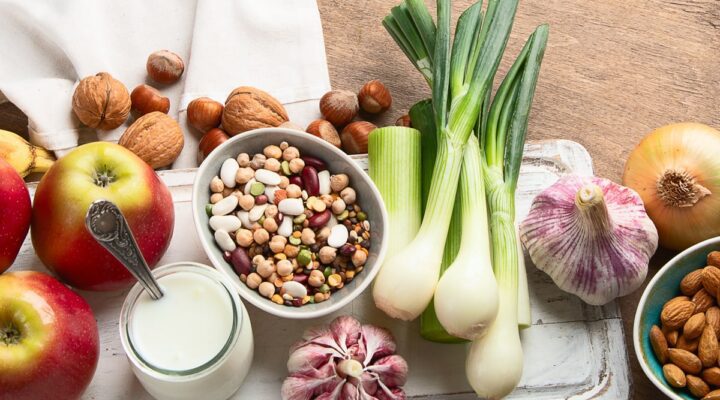
- Eating 30 plants a week: This scientific principle was brought to life by Tim’s research on the gut microbiome and how people who ate 30 plants a week had much better gut microbiome composition than those who ate 10. The average UK adult only eats around 12, so increasing diversity is really important.
- Reducing ultra-processed foods: We want to help people reduce unnecessary ultra-processed foods as much as possible, while understanding that not all processing is harmful. If you’re unsure of what’s a UPF and what isn’t, we’ve developed a tool within the app called the ZOE Processed Food Risk Scale, to help distinguish between higher- and lower-risk options in the supermarket.
- Quality, not calories: Instead of calorie counting, we like to focus on overall diet quality. The app guided participants, meal-by-meal, with an overall score based on factors like the fat quality, fibre, diversity and protein sources in the foods they bought and ate.
- Eating window: We recommended participants finished eating before nine o’clock at night, and kept their eating window consistent so their breakfast and dinner were around the same time every day.
- Eat the rainbow: How do we encourage people to eat lots of colours when it comes to plants? We know that polyphenols play an important role in our health, and that it’s these bioactive compounds that give plants their various colours.
- Protein quality: We did a lot of work on this this year, helping people to take a step back from the protein craze, and realise that most of us are getting enough protein, but actually it’s the quality of the protein we need to focus on more.
- Fermented food: We know that eating ferments helps our immune system in ways that we’re only just beginning to understand. We recently ran an intervention trial on 10,000 people and found that regularly eating these foods, like kimchi, greek yoghurt and kefir, improves overall health outcomes.
What’s encouraging about this style of eating is that it promotes abundance rather than restriction. Was that message important for you to get across in the documentary?
Absolutely. We like to focus on something called positive nutrition at ZOE. When you ask people to focus on the foods they need to eat more of, it always results in better adherence and health outcomes than if you ask them to restrict.
We’re the only major nutrition app (that I know of) that doesn’t look at calorie restriction and portion sizing, but instead focuses on eating in abundance and improving dietary quality.
What’s funny about that, is we recently did an analysis on our PREDICT studies of over 300,000 people, identifying the members who were overweight or obese. We found that 85% of them lost weight with positive nutrition advice, and a third had clinical, significant weight loss. And that’s all without calorie counting.
If inForm readers make just one change to their diet, what’s the most impactful thing they could do?
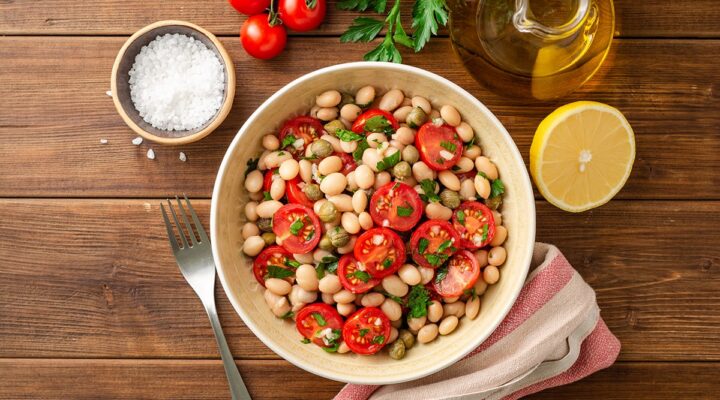
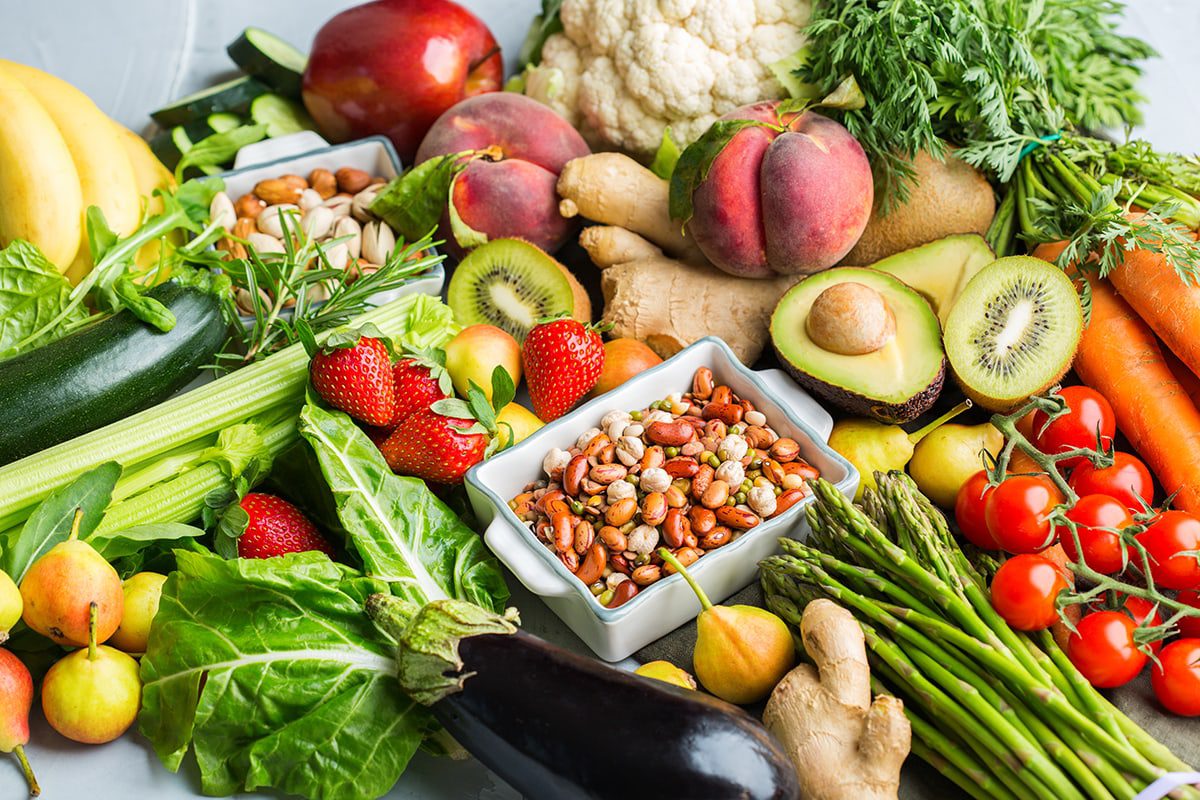
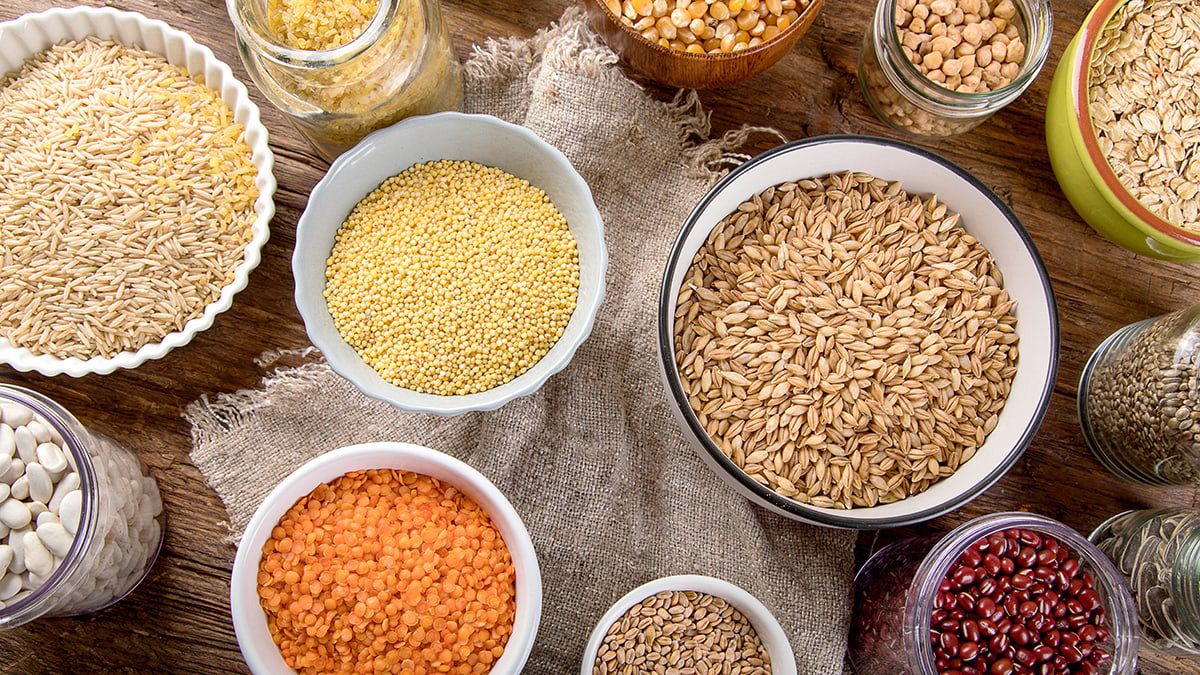
It’s simple: eating more plants. Don’t worry too much about counting fibre grams, as it’s very hard to do. If you can just intuitively add a handful more plants to your weekly shop, and by that I mean whole fruits, whole vegetables, nuts and seeds, legumes, and any green peas, beans, lentils or chickpeas, you’ll be making a huge difference to your gut health.
Whole grains are, surprisingly, the number one thing that we’re deficient in. As a dietary deficiency, it drives more deaths globally than any other dietary factor, so it’s always a good idea to stock up on spelt, quinoa and bulgur as an alternative to white rice.
The ZOE documentary ‘The Gut Health Challenge’ is available to watch for free now at zoe.com/guthealthchallenge