Is Spermidine The Longevity Compound Worth Getting Excited About?

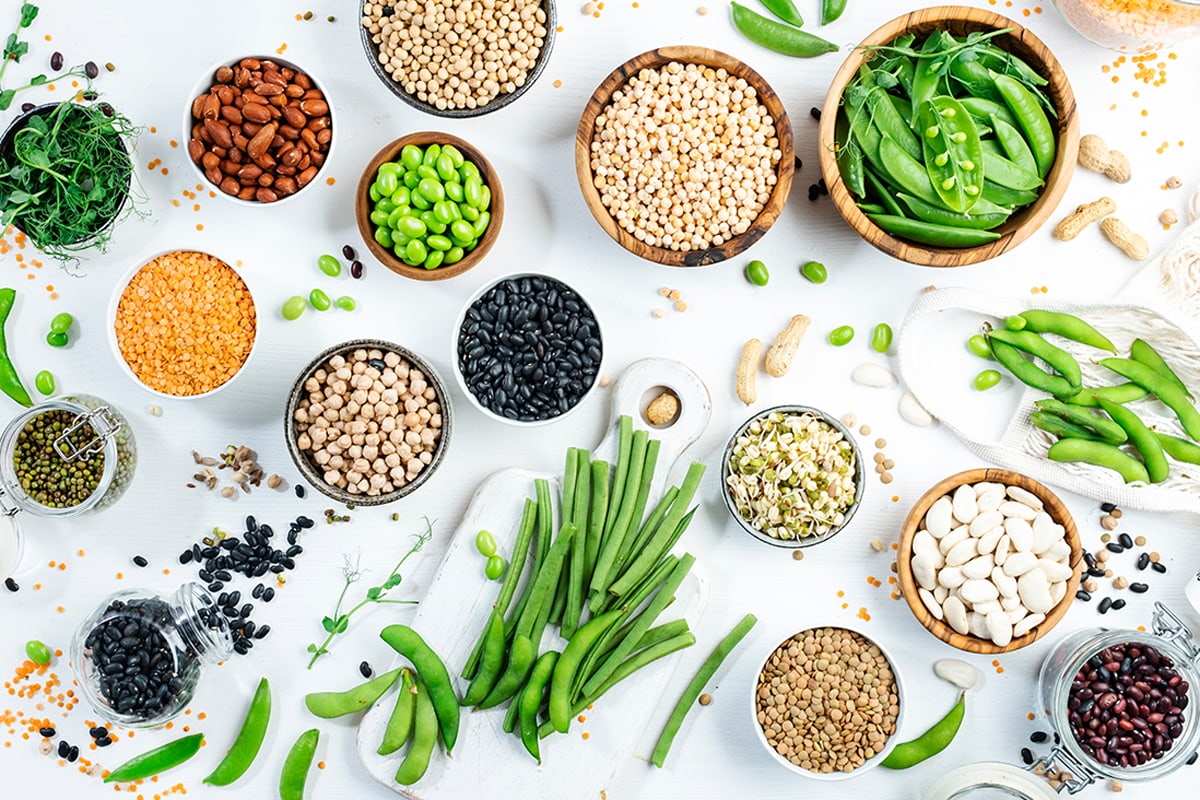
The longevity shelf moves in waves. A few years ago, NMN and resveratrol were the compounds promising to wind back the cellular clock. Before that, it was antioxidants by the handful. The molecule now getting the most serious scientific attention has a name that is a slight hurdle at the dinner table: spermidine.
The name comes from spermine, a related compound first spotted under a microscope in the 1600s in a sample that, let’s say, explains the naming. Spermidine itself is far more ordinary than its name suggests. It is found in every living cell and in a long list of everyday plant foods, from mushrooms to soy.
Interest has moved quickly from the lab to the mainstream, with consumer buyer’s guides, sceptical takes in the medical press and fresh scientific reviews all arriving in quick succession. So here is what a polyamine is, why one particular cellular process has researchers so excited, how strong the human evidence is, and whether your diet can do the heavy lifting.
So What Exactly Is A Polyamine?
Polyamines are small, positively charged molecules. That charge lets them bind to negatively charged structures in the cell, including DNA, RNA and cell membranes, helping to stabilise them (2). Spermidine is involved in a remarkable range of housekeeping jobs, from cell growth and protein production to the immune response.
Your body gets spermidine from three places: it makes some itself, gut bacteria produce some, and the rest comes from food (2). The reason it has become a longevity talking point is that levels appear to decline as we age (5). One study found that healthy people in their 90s and beyond retained levels similar to people in middle age, although that finding has not yet been confirmed (4).
Why Is Autophagy The Mechanism Everyone Is Excited About?
Autophagy, from the Greek for “self-eating”, is the cell’s recycling system. Damaged proteins and worn-out components are broken down and their parts reused, which keeps cells functioning well. Autophagy tends to become less efficient with age, and that slowdown is thought to be one of the processes behind age-related decline.
Spermidine is one of the few naturally occurring compounds shown to switch autophagy on. It appears to do this partly by inhibiting an enzyme called EP300, which normally acts as a brake on the process (4). In yeast, worms, flies and mice, spermidine feeding extends lifespan (4). In mice, it also improved heart function in older animals, and crucially, those heart benefits disappeared when autophagy was genetically blocked (3).
That last detail matters. It suggests autophagy is not just a side effect of spermidine but the main route through which it works, which gives researchers a clear mechanism to test in humans.
How Strong Is The Human Evidence For Spermidine?
This is where the story becomes more complicated. The most widely cited human data come from the Bruneck Study, which followed 829 adults aged 45 to 84 for around 20 years. People in the top third for dietary spermidine intake had a mortality risk comparable to being 5.7 years younger than those in the bottom third (6). That is a striking finding, but it is observational. People who eat more spermidine-rich foods tend to eat more whole grains, legumes and vegetables generally, so diet quality as a whole may be doing much of the work.
Randomised trials, the kind that can show cause and effect, are still few. The largest so far, the SmartAge trial, gave 100 older adults with self-reported memory concerns either a wheat germ supplement providing 0.9 mg of spermidine a day or a placebo for a year. It found no meaningful effect on memory or on biological markers (8). One caveat is that the dose was small, adding only around 10% to participants’ usual daily intake.
More encouraging results came from a pilot trial in 40 adults over 65, who took 6 mg of spermidine or a placebo daily for 13 weeks after a vaccine booster. The supplement was well tolerated and reduced markers of immune cell ageing. It also improved antibody responses, specifically in participants who had initially responded poorly to the vaccine (1). The changes seen in immune cells were consistent with increased autophagy, which is exactly what researchers hoped to see.
So the honest picture is a strong mechanistic and animal story, an interesting population study and a handful of small human trials with mixed results. Promising, but early.
Where Can You Find Spermidine In Food?
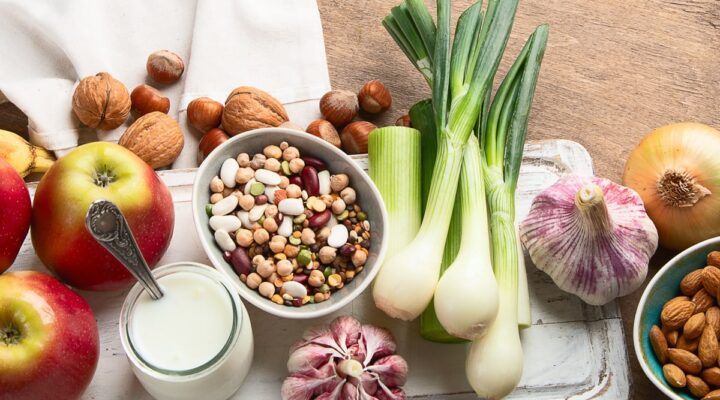
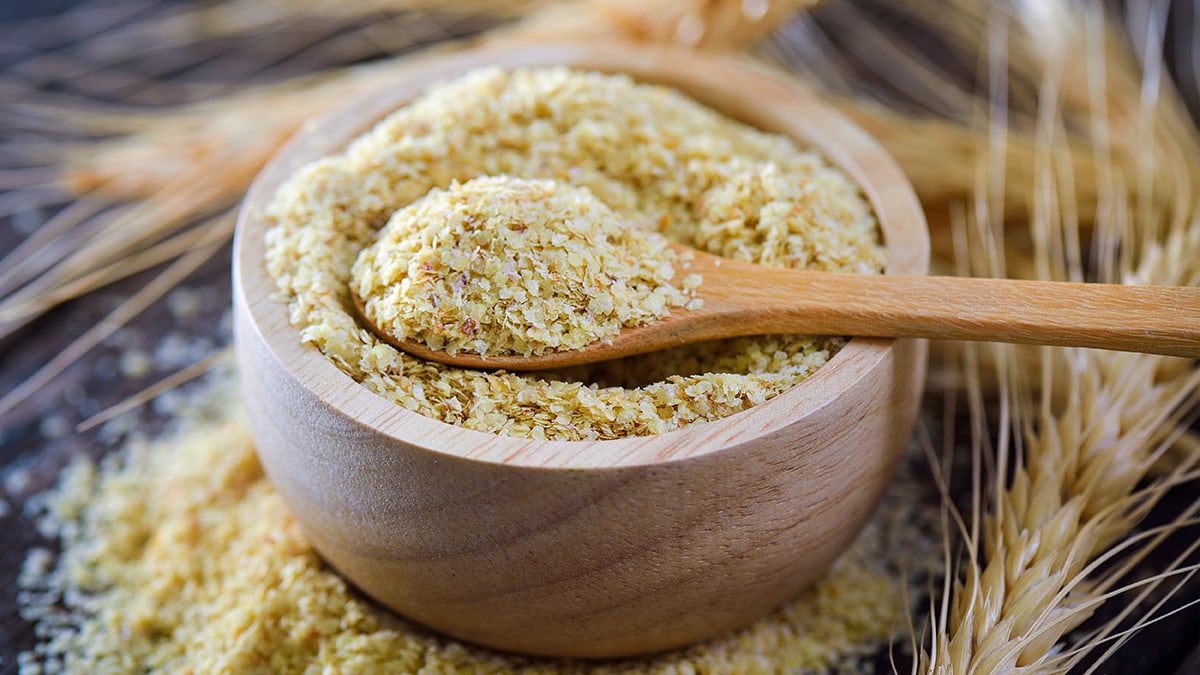
The good news is that the richest sources are plants. Wheat germ leads the way at roughly 300 mg per kilogram, followed by soybeans at around 200 mg per kilogram, with mushrooms and other beans in a similar range (2). Fermented soy foods such as tempeh, natto and miso are useful sources, as are green peas and whole grains.
There are a couple of catches. Spermidine content varies enormously, even within the same food, depending on the plant variety and how it was grown (2). Processing matters too: wheat germ is rich in spermidine, but white flour and pasta contain far less (2).
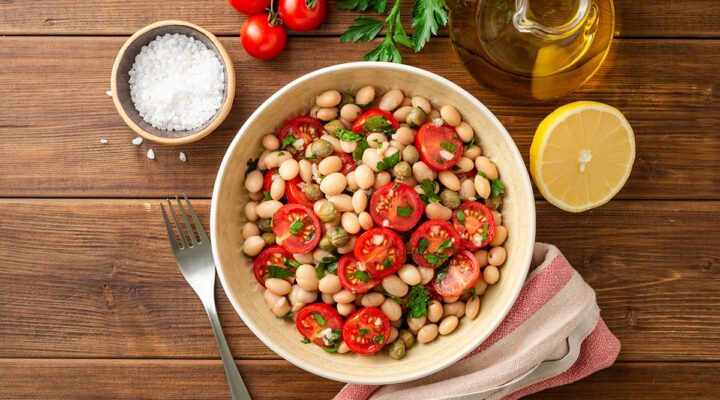
In practical terms, a sprinkle of wheat germ over porridge or yogurt alternatives, a regular serving of tofu or tempeh, mushrooms added to stir-fries and a steady rotation of beans and lentils will all nudge your intake up. Legumes in particular are worth building into your week, as they bring plenty else to the table; here’s why legumes are the sustainable food of the future.
Is A Supplement Worth It Yet?
Most spermidine supplements are wheat germ extracts providing somewhere between 1 and 6 mg per day. For context, typical dietary intake is estimated at around 10 mg per day (2), so a varied, plant-rich diet may already deliver more than many supplements do.
Spermidine appears to be well tolerated at the doses studied (1, 2), but long-term safety data in humans are limited. Because polyamines are involved in cell growth, researchers advise caution for anyone with an existing cancer diagnosis, as their effect in that context is not yet understood (2, 7). Anyone in that position, or taking regular medication, should speak to their GP before trying a supplement.
The Bottom Line
Spermidine is one of the more credible compounds in the longevity conversation. It has a clear mechanism, consistent results in animals and early human trials hinting that the effects may translate, at least for immune ageing. What it does not yet have is the large, long-term human evidence that would justify calling it a proven longevity supplement.
In the meantime, the most reliable way to raise your intake is also the most enjoyable one. Soy, mushrooms, beans, whole grains and a spoonful of wheat germ make up the kind of plant-forward pattern seen in the world’s longest-lived communities, as explored in our guide to Blue Zone living. Whatever spermidine turns out to do on its own, that is a diet worth eating anyway.
References
- Alsaleh G, et al. (2026). Spermidine mitigates immune cell senescence and boosts vaccine responses in healthy older adults: a pilot study. Aging Cell.
- Blagojević BD, et al. (2026). The role of spermidine in plants and humans: a pathway from climate change adaptation to health benefits. npj Science of Food.
- Eisenberg T, et al. (2016). Cardioprotection and lifespan extension by the natural polyamine spermidine. Nature Medicine.
- Hofer SJ, et al. (2022). Mechanisms of spermidine-induced autophagy and geroprotection. Nature Aging.
- Jiang Z, et al. (2026). Geroprotective insights into the natural metabolite spermidine in aging and age-related diseases. npj Aging.
- Kiechl S, et al. (2018). Higher spermidine intake is linked to lower mortality: a prospective population-based study. American Journal of Clinical Nutrition.
- Madeo F, et al. (2018). Spermidine in health and disease. Science.
- Schwarz C, et al. (2022). Effects of spermidine supplementation on cognition and biomarkers in older adults with subjective cognitive decline: a randomized clinical trial. JAMA Network Open.