
What Does Alcohol Actually Do To Your Training And Recovery?

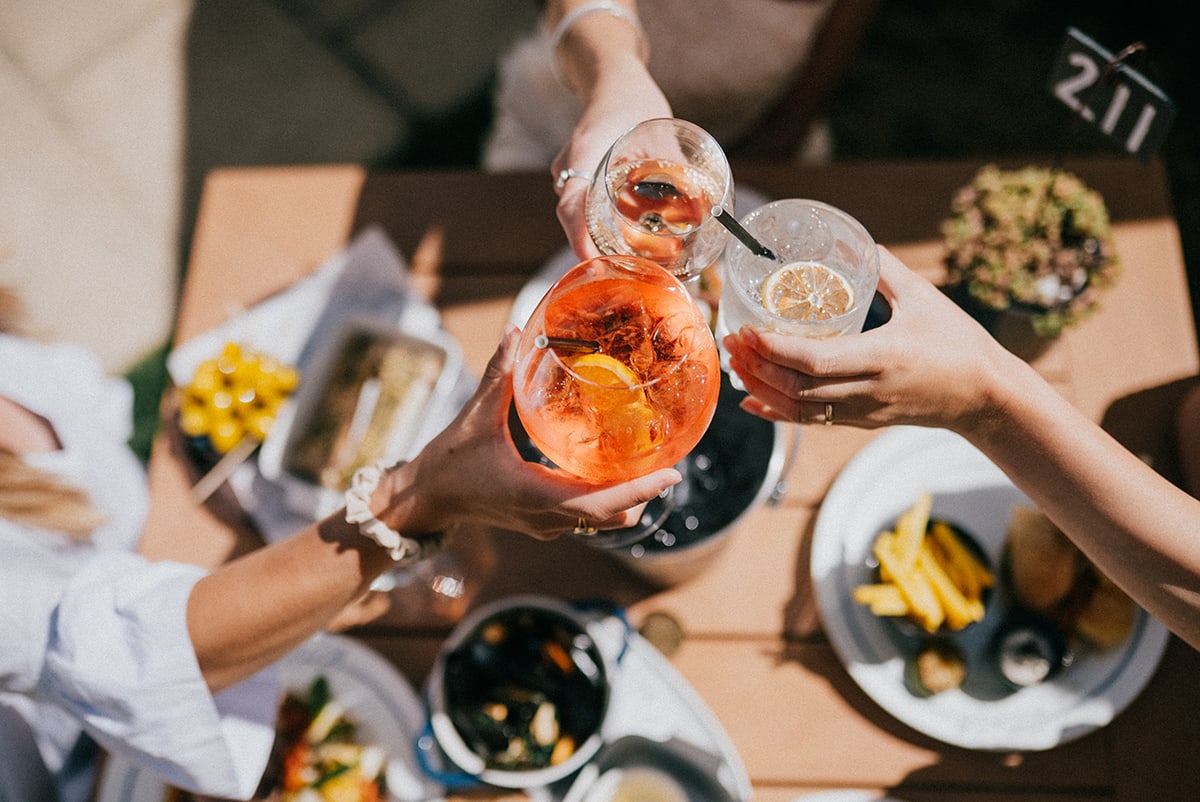
Something shifted in the conversation around alcohol. Not the public health messaging, which hasn’t changed much, but the quieter, more personal reckoning happening among people who train regularly. The question isn’t really about sobriety as a lifestyle statement anymore. It’s more specific than that: if you’re putting genuine effort into your training, what is drinking actually doing to the results?
It’s a surprisingly underexplored question. Most content around alcohol and health gravitates toward dependency, liver disease, or the “what happens when you stop” territory. What tends to get less attention is the more granular, mechanistic question: what, precisely, is alcohol doing in the hours and days after you drink? What happens to your muscles, your hormones, your sleep, your hydration, when exercise and drinking coexist in the same life?
The answer, it turns out, is quite a lot. And most of it runs directly counter to what you’re trying to achieve.
Does alcohol affect muscle protein synthesis?
Muscle growth isn’t just about lifting heavy things. It’s about what your body does afterwards: the cascade of cellular signalling that repairs damaged muscle fibres and, if conditions are right, builds them back slightly larger and stronger than before. That process is called muscle protein synthesis (MPS), and alcohol disrupts it in ways that are well-documented.
Research published in PLOS ONE found that alcohol consumption post-exercise suppressed MPS by around 24% compared to protein alone, and by 37% when co-ingested with carbohydrates. The mechanism sits largely with a protein called mTOR, the master regulator of muscle growth. Alcohol blunts mTOR signalling, essentially hitting the pause button on the cellular machinery that your training was supposed to activate.
There’s also the question of protein balance more broadly. Alcohol is metabolically demanding: when ethanol enters the body, it takes priority as a fuel source, shunting fat and carbohydrate oxidation aside. The liver is too busy processing the acetaldehyde byproduct to function in its normal metabolic role. All of which means that even if you’ve hit your protein targets for the day, a meaningful proportion of the building blocks you’ve consumed are likely to be used less efficiently when alcohol is in the picture.
The practical upshot isn’t necessarily “never drink again.” But timing matters. Drinking in the four-to-eight-hour window after training, when MPS is at its most active, is where the interference is most pronounced.
How does alcohol affect sleep and recovery?
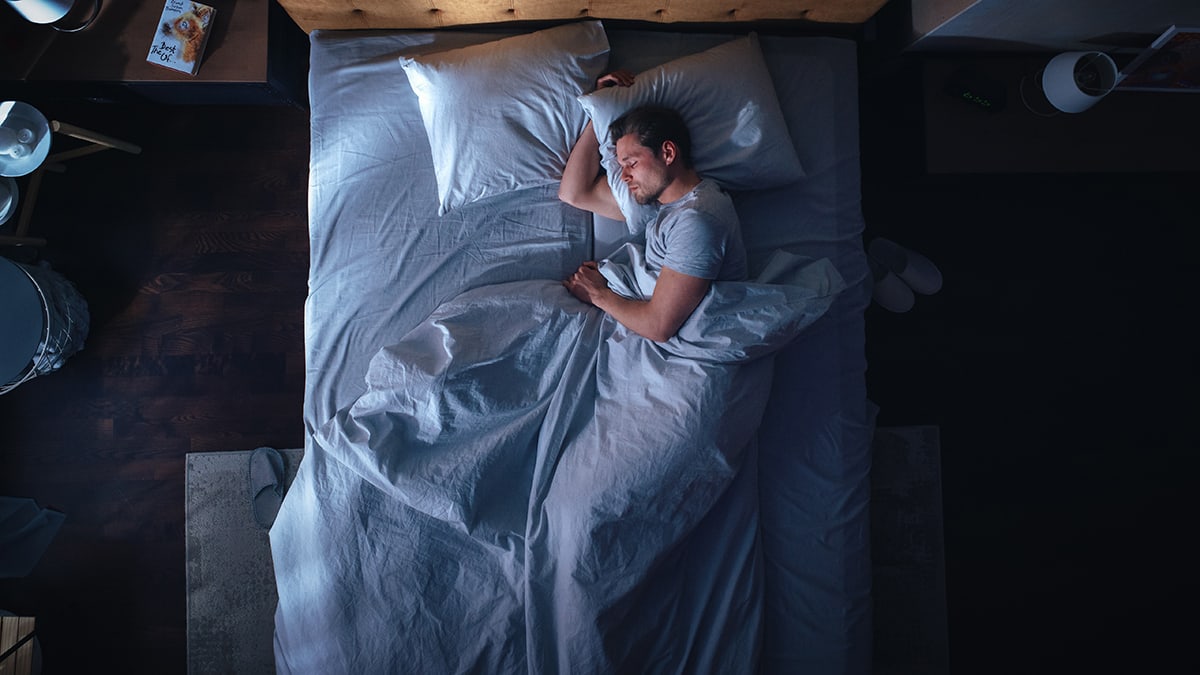
This is arguably where alcohol does its most underappreciated damage. The popular understanding of alcohol and sleep goes something like: it helps you fall asleep faster, but the sleep isn’t as good. That’s true, but it dramatically undersells how significant the disruption actually is.
A full night’s sleep cycles through distinct stages: light sleep, deep sleep (slow-wave sleep), and REM sleep. It’s during slow-wave sleep that the body does most of its physical repair work, producing the bulk of its growth hormone output. REM sleep is critical for cognitive recovery, emotional regulation, and memory consolidation.
Alcohol is acutely disruptive to both. It suppresses REM sleep in the first half of the night, then causes a “REM rebound” in the second half that tends to be fragmented and wakeful. Slow-wave sleep is similarly distorted. A systematic review and meta-analysis in Alcoholism: Clinical and Experimental Research found that even moderate alcohol consumption reduced sleep quality scores by around 24%, with larger doses causing more severe disruption.
For someone training seriously, the consequences compound. Growth hormone, the body’s primary agent of tissue repair, is predominantly secreted during slow-wave sleep. Disrupted slow-wave sleep means diminished growth hormone output, which means reduced recovery from whatever you did in the gym. Add to that the fragmented second half of the night, and you’re arriving at your next session not just slightly tired but genuinely less recovered than you would have been without the drink.
What does alcohol do to hydration and electrolyte balance?
Alcohol is a diuretic. It suppresses the release of antidiuretic hormone (ADH), which normally signals the kidneys to retain water. When ADH is inhibited, you urinate more than you take in: for roughly every standard drink, you lose around 100ml more fluid than you’ve consumed. After a few drinks, you’re in a meaningful hydration deficit before you’ve even gone to sleep.
The problem compounds overnight. You’re not drinking while you sleep. By morning, the combination of alcohol-induced diuresis and eight hours without fluid intake means you can wake significantly dehydrated, sometimes without the obvious headache that signals as much. Electrolytes, particularly sodium and potassium, are lost in greater quantities too, affecting nerve conduction and muscle contraction in ways that matter for both performance and recovery.
Training while dehydrated, even mildly (as little as 1-2% of body weight), has been shown to reduce strength output, impair aerobic performance, and increase the perceived difficulty of effort. If you’re drinking on a Friday night and training on a Saturday morning, the deficit you’re working against is real, even if it doesn’t feel acute.
How does alcohol affect hormones involved in training?
The hormonal picture is where the effects start to look more systemic. Testosterone and cortisol are both significantly affected by alcohol, in opposite and inconvenient directions.
Testosterone is the primary anabolic hormone involved in muscle protein synthesis and adaptation to training. Research published in the Journal of Clinical Endocrinology & Metabolism found that consuming 1.5g of alcohol per kilogram of body weight resulted in a 23% reduction in testosterone levels the following day, with peak suppression occurring 12 to 16 hours after drinking. The mechanism involves the testes and ovaries directly, as well as the hypothalamic-pituitary axis: alcohol disrupts signalling up and down the hormonal chain.
At the same time, cortisol, the catabolic (muscle-breaking) stress hormone, tends to rise. Elevated cortisol in combination with suppressed testosterone is essentially an anti-recovery state: the body is primed to break down muscle tissue rather than build it. For someone trying to gain strength or body composition, that hormonal environment works directly against them.
The inflammatory picture matters here too. Alcohol increases systemic inflammation via several pathways, including by promoting the release of pro-inflammatory cytokines. Muscle damage from training already creates an acute inflammatory response, which is part of the adaptation signal. Adding alcohol-driven inflammation on top is less additive and more disruptive: it extends the recovery window and can amplify post-training soreness.
So what’s the actual bottom line?
None of this is a moral argument for abstinence. But the evidence makes a fairly clear case that alcohol and serious training are working against each other at a physiological level, and that the interference isn’t just about calories.
The mechanisms are specific: alcohol blunts muscle protein synthesis through mTOR suppression, degrades sleep quality and the growth hormone release that depends on it, promotes hormonal conditions that favour catabolism over anabolism, and compounds exercise-related dehydration in ways that affect next-day performance.
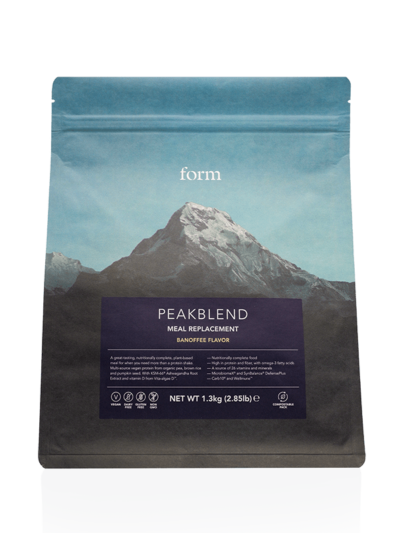
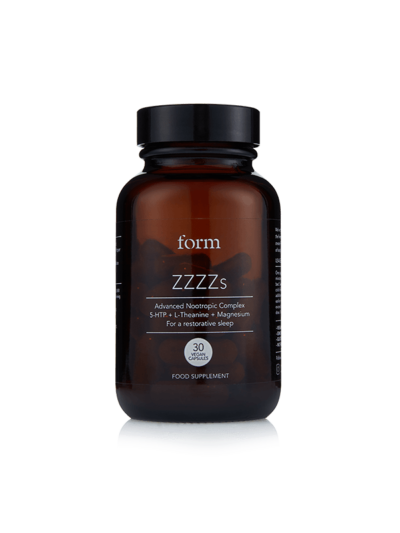
If you’re sobriety-curious, or simply trying to get more out of your training, the question probably isn’t “should I quit entirely” but “is this worth what it’s costing me?” For most people, the most practical adjustments involve timing, keeping at least 48 hours between heavier drinking and serious training sessions, prioritising hydration before bed, and being honest about how alcohol affects sleep quality specifically. A protein-forward meal or a well-formulated recovery supplement before bed on evenings when you do drink can offset some, though not all, of the MPS disruption.
The research doesn’t require a dramatic conclusion. It just invites a more honest one.