
What Are Postbiotics, And Why Do They Matter?

The gut health conversation has been building for years, and by now most of us have absorbed the basics. Probiotics are the beneficial bacteria themselves; prebiotics are the fibres that feed them. We’ve been told to eat more fermented foods, diversify our plant intake, and generally be kinder to the trillion-strong ecosystem living in our digestive tract. And for the most part, we’ve tried.
But something has shifted in the research. Scientists are increasingly interested not just in which bacteria are thriving in your gut, or what you’re feeding them, but in what those bacteria are making. Their metabolic outputs, the compounds produced when gut microbes ferment fibre and other substrates, are turning out to be extraordinarily biologically active. These compounds have a name: postbiotics. And they’re fast becoming one of the most interesting areas in gut health science.
Innova Market Insights named gut health its number one food and beverage trend for 2026, with postbiotics cited as the category’s newest frontier. Commercial products are already arriving. But the science has been building quietly for far longer, and it’s worth understanding what’s going on before the supplement shelves catch up.
So, what exactly is a postbiotic?
The term sounds like marketing jargon, but it has a formal scientific definition, and the definition is worth pausing on, because it isn’t quite settled. In the research literature, postbiotics are most often described as the bioactive compounds produced when gut bacteria ferment dietary fibre and other undigested substrates in the colon. They include short-chain fatty acids (SCFAs) like butyrate, acetate, and propionate; bacteriocins (antimicrobial peptides produced by bacteria); enzymes; fragments of bacterial cell walls; and exopolysaccharides.
A narrower consensus definition, favoured by some scientific bodies, restricts the term to preparations of inactivated microorganisms and their components. In practice, most of the products on shelf and most of the studies you’ll see referenced sit somewhere across both descriptions, which is worth remembering when you’re reading a label.
What unites them is the key distinction from probiotics: postbiotics are not live organisms. They’re the by-products, the compounds that gut bacteria excrete or release as they go about their work. This turns out to be a significant practical advantage. Because they don’t contain live bacteria, postbiotics are more shelf-stable, easier to formulate, and carry none of the risks associated with live microbial consumption, such as potential pathogen transmission in immunocompromised individuals.
It also means they can be delivered more precisely. A probiotic needs to survive stomach acid and successfully colonise the gut to have any effect. A postbiotic, by contrast, is already the active compound. Think of it less like planting a seed and more like applying the harvest directly.
What does the research actually show?
The most studied postbiotic is butyrate, a short-chain fatty acid produced primarily by the fermentation of resistant starch and other fermentable fibres. Butyrate is the preferred fuel source for colonocytes, the cells lining the colon. Without adequate butyrate, the integrity of the gut lining can begin to suffer, a state associated with increased inflammatory signalling.
A 2026 review published in Food Frontiers noted that short-chain fatty acids like butyrate and propionate support health by reinforcing gut barrier integrity, modulating immune responses, and exerting anti-inflammatory activity at a systemic level. Separately, a 2025 systematic review in Nutrients that analysed 39 eligible studies found that postbiotics derived from inactivated probiotic microorganisms showed meaningful potential in inflammatory conditions, with Lactobacillaceae and Bifidobacteriaceae families among the most studied sources.
The immune angle is particularly compelling, and it builds on a link that is already well established between gut health and immune function. Postbiotics appear to modulate mucosal immunity, competing with pathogenic bacteria for adhesion sites and enhancing the gut’s own defence mechanisms. Even the structural fragments of bacterial cell walls, peptidoglycans and lipoteichoic acids, have been shown to interact with immune receptors in ways that may help train the immune system to distinguish friend from foe.
Where researchers are perhaps most excited, and where the evidence is still catching up with the enthusiasm, is the gut-brain axis. Butyrate can cross the blood-brain barrier, and research has linked short-chain fatty acid activity to everything from mood regulation to neuroinflammation. A 2025 narrative review in Frontiers in Pharmacology highlighted that disruptions in butyrate-producing bacteria are frequently observed in people with depression, with reduced SCFA production associated with impaired neurotransmitter synthesis and dysregulation of the stress response system. Emerging evidence suggests that postbiotics, as non-viable compounds with immunomodulatory and neuroactive potential, may represent a novel avenue for supporting mental health alongside conventional approaches. The research remains early-stage in many areas, and large-scale clinical trials are still limited, but the mechanistic picture being drawn is striking.
How do you get more postbiotics, naturally?
Here is where the practical advice diverges from the supplement conversation. The most reliable way to support postbiotic production isn’t to buy a capsule; it’s to consistently eat the foods that prompt your gut bacteria to produce them.
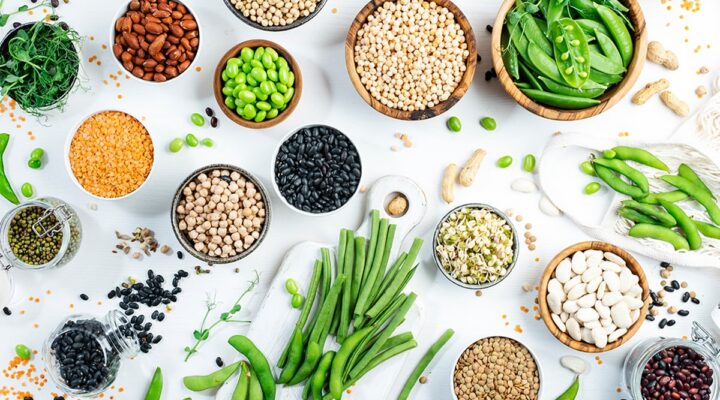
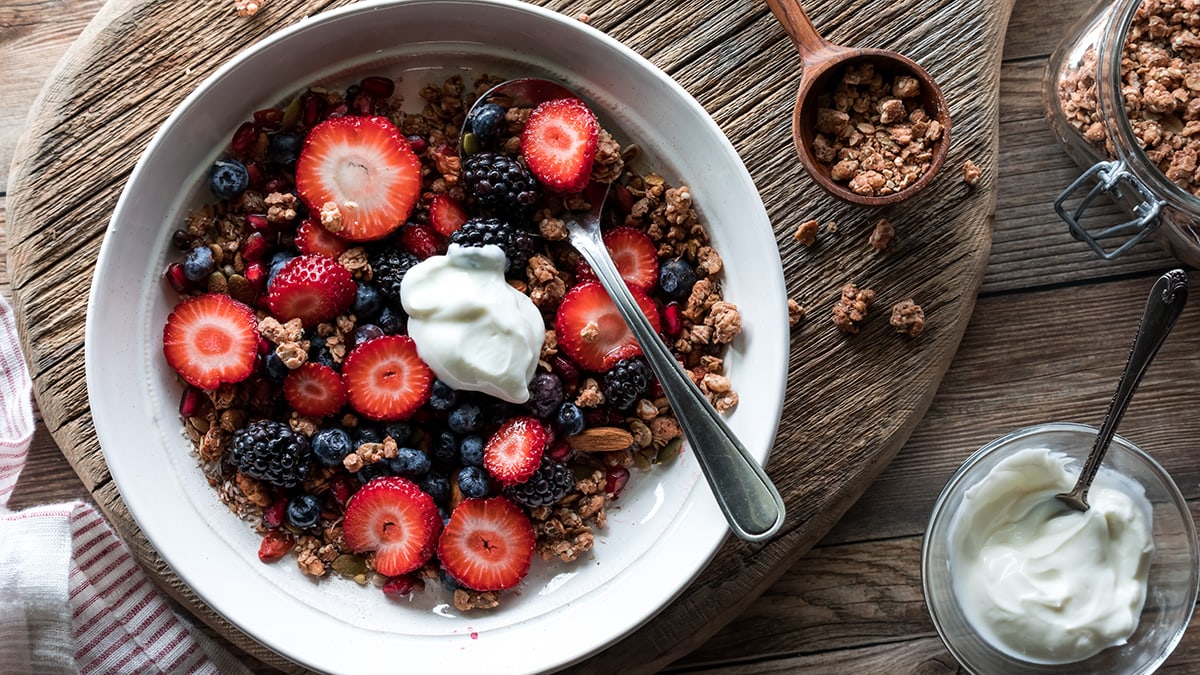
The starting point is fibre, and specifically the kinds that reach the large intestine intact, where gut bacteria can ferment them. This is the mechanism doing the quiet work behind the fibremaxxing trend, though variety of fibre sources matters considerably more than total grams. Resistant starch is particularly effective at driving butyrate production. Foods high in resistant starch include cooked and cooled potatoes, legumes, oats, and underripe bananas. The cooling step matters: when starchy foods are cooked and then left to cool, some of the digestible starch converts into resistant starch, which travels further down the digestive tract before being fermented.
Plant polyphenols, the pigmented compounds found in berries, pomegranates, dark chocolate, green tea, and coffee, add another dimension. Research suggests that polyphenols can be broken down by gut microbes into postbiotic compounds, and may also help shape a gut environment that favours butyrate-producing bacteria.
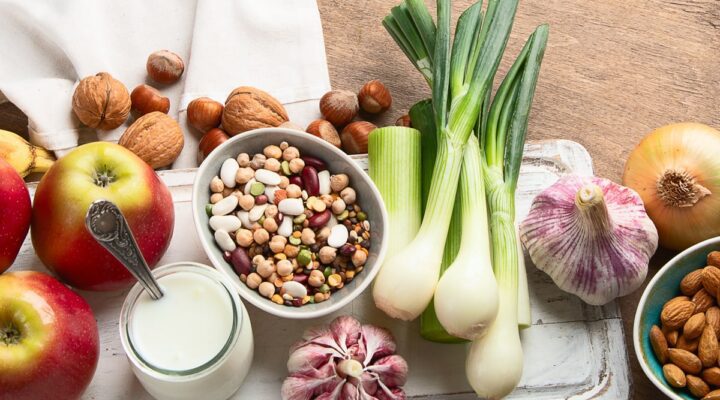
Fermented foods including tempeh, miso, kimchi, and unpasteurised sauerkraut contribute differently. They don’t deliver postbiotics directly, but they supply live cultures and fermentation by-products that support the broader microbial ecosystem that produces postbiotics over time. Diversity across all of these categories is the most important factor: a varied, plant-rich diet gives your gut microbiome more substrates to work with, and greater microbial diversity tends to correlate with greater SCFA production.
Should you consider a postbiotic supplement?
The supplement market is moving quickly. Postbiotic products, some centred on heat-inactivated bacterial strains, others delivering butyrate directly in encapsulated form, have begun appearing in health stores and online. The appeal is clear: they offer some of the proposed benefits of probiotics without the viability concerns, and can be precisely dosed.
The honest answer is that for most healthy adults, a well-varied plant-rich diet will do more for postbiotic production than any supplement currently on the market. Resistant starch and fermentable fibres are the raw materials your gut bacteria need, and their effects compound over time. Supplements may be worth exploring in specific contexts, particularly where gut microbiome disruption, recent antibiotic use, or digestive conditions have affected the body’s natural production capacity. But this is territory best navigated with a registered dietitian or gut health clinician rather than via the supplement aisle.
What the growing science around postbiotics does offer, regardless of whether you ever buy a capsule, is a more nuanced understanding of what your gut is doing. Every fermented miso broth, every bowl of oats, every handful of raspberries is feeding a process that reaches far beyond digestion: influencing immune function, modulating inflammation, and, it seems, communicating with your brain. The takeaway is unglamorous but reassuring: eat a wide range of plants, often, and let your gut do the interesting part.