
Fuelled by Form: Freediver Jaie Petty on Making the Ocean His Playground
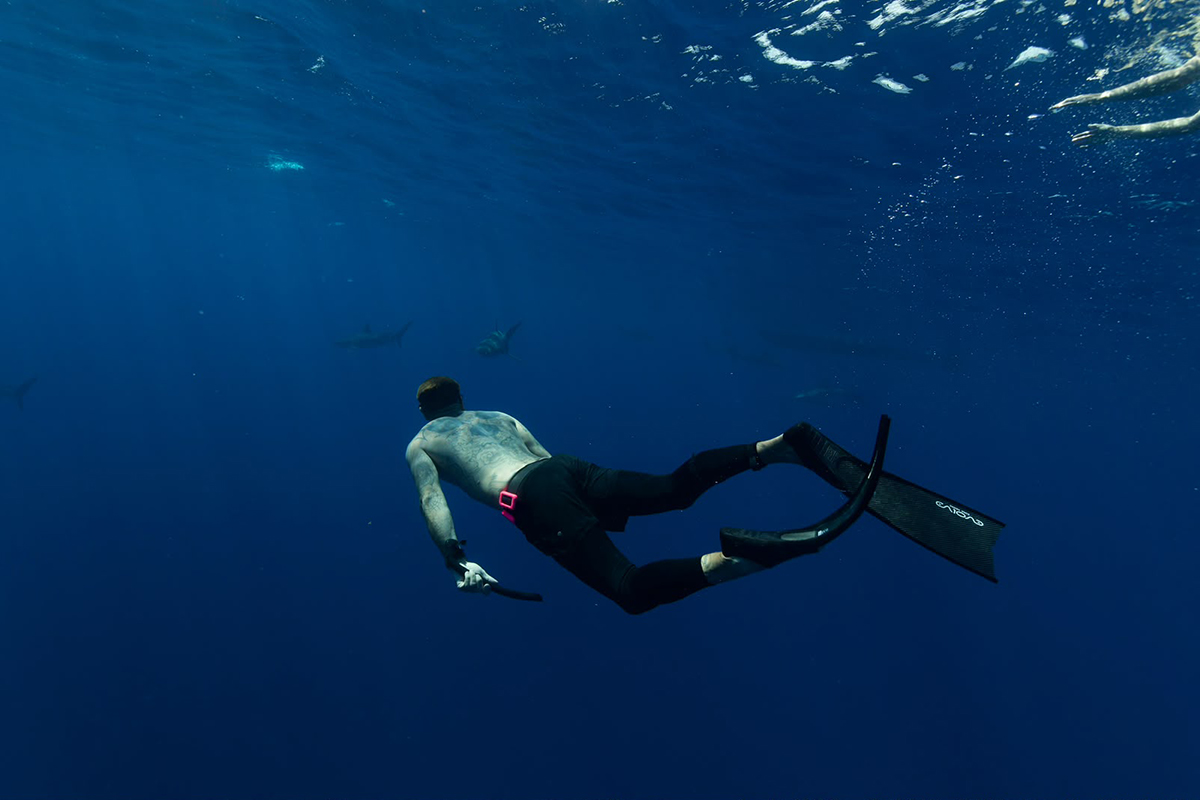
Ever since the 2023 documentary film The Deepest Breath debuted on Netflix, interest in freediving has skyrocketed on the internet. Just ask Jaie Petty (@jaiepetty) – the underwater stuntman has built an entire career out of filming cinematic content around the elite sport, which involves plunging to depths of over 100 metres on a single breath of air.
Petty, who began freediving as a hobby after a chance encounter with one of the community’s biggest names, is best known by his 155K followers for sharing viral videos in some of the world’s most stunning underwater locations, all while working with conservation organisations like Sea Shepherd to keep our oceans clean.
In the latest installment of Fuelled by Form, we hear how the London-based content creator trains for gruelling days in the water, his favourite ways to wind-down and how Form supports his active lifestyle.
How did you first get into freediving?
Freediving as a career is something that accidentally happened to me. Before I got involved in the community, I used to work as a film director at a venture capital firm. I was mostly shooting the ESG and sustainability videos the company needed to raise Series A and B rounds (investment businesses need to scale their models).
By chance, my partner met a freediver on an overseas trip and became interested in trying it; her dream had always been to dive with tiger sharks in Hawaii. Around this time, I was also an ambassador for the marine conservation organisation Sea Shepherd, doing lots of filming and editing for their social channels. It was through them that I met Vitomir Maričić, a Croatian freediver, who ended up showing us the ropes.
I immediately fell in love with the sport, but I also loved the underwater cinematography too, and I saw an opportunity to marry the two elements as a hobby. Me, Vito and a few other world record-holding freedivers started filming each other and growing our profiles online. We realised people were really interested in seeing more about the sport, which is still fairly niche in the UK and US.
How do you prepare your body for your underwater freedives?
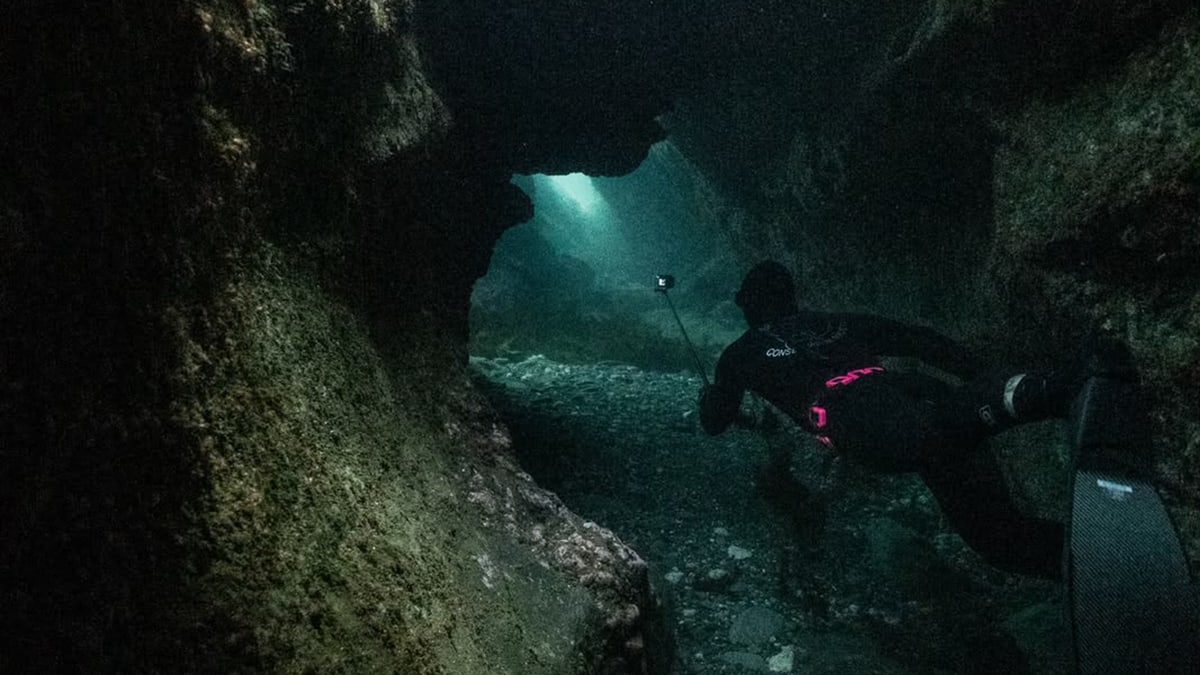
You get told to do yoga and breathwork, and stretching is a big part of it if you’re going really deep, but the main thing is trying to be as strong and active as possible. Strength training has been vital for my work, and has taken me from being a hobbyist to somebody that can compete with the best in the world.
Sanda, my coach, does my in-water work and Vito oversees my weight training. It’s a rigorous schedule that really puts my body through the ringer.
How does Form support your active lifestyle?
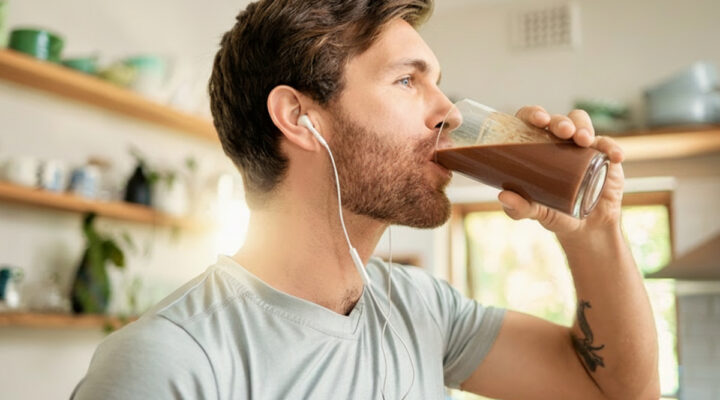
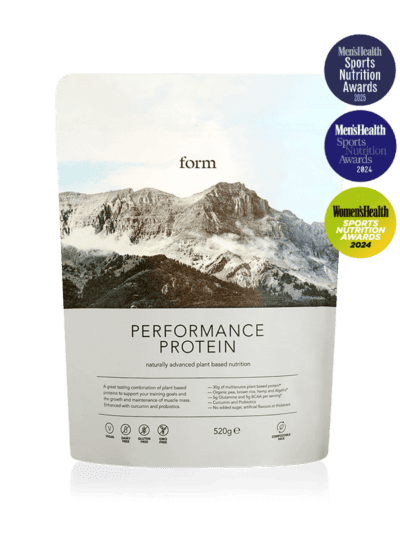
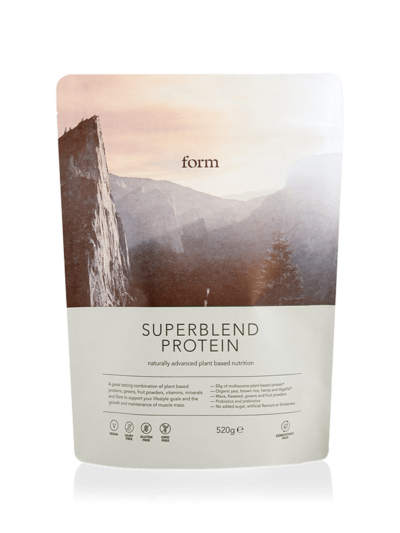
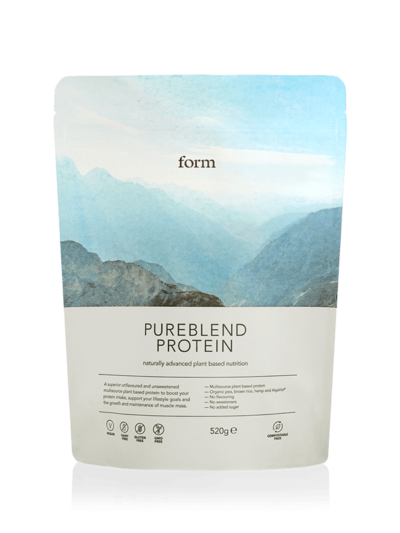
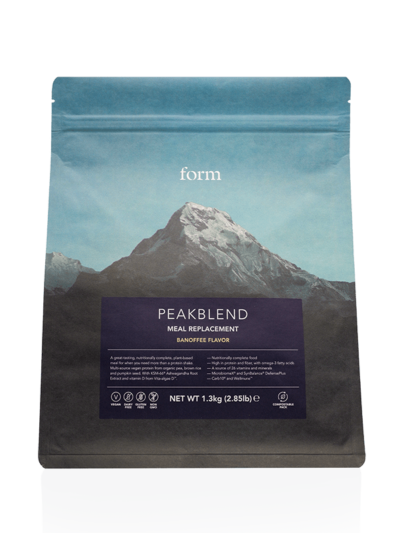
I’ll admit, my diet isn’t the best in the world, but I can’t miss out on protein because strength is such an important part of being a freediving athlete – especially as I’m vegan. To compensate, I drink at least three protein shakes a day to keep up with my training. The peanut and caramel flavour is probably my favourite; my partner is the unsung hero that keeps me on track with my macros. She’s always making me cakes and sweet treats with Form protein.
How important is nutrition to you and your work?
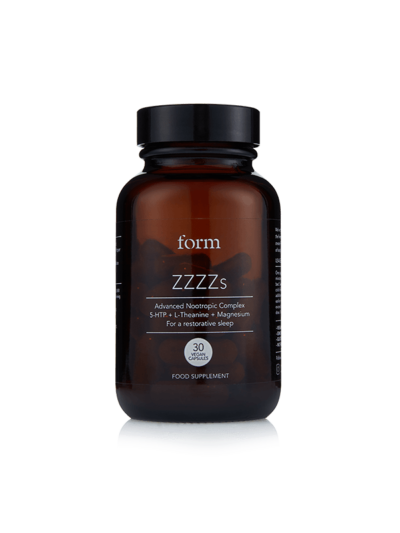
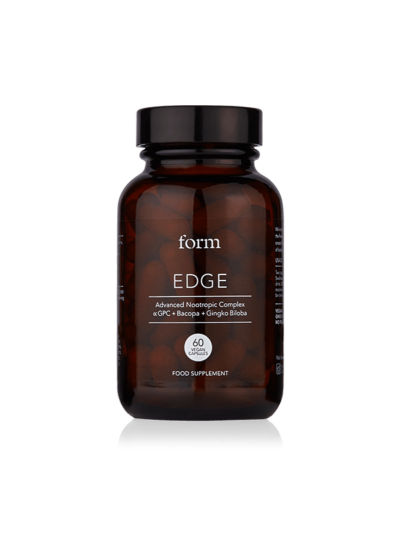
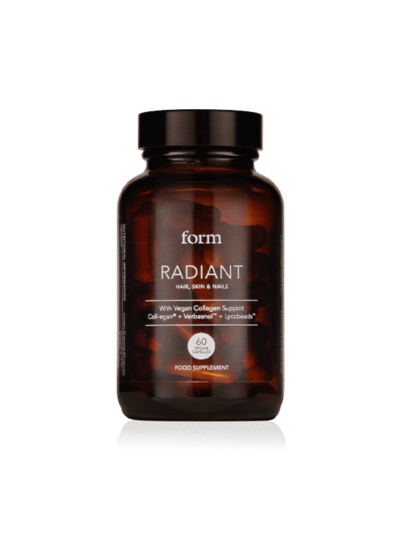
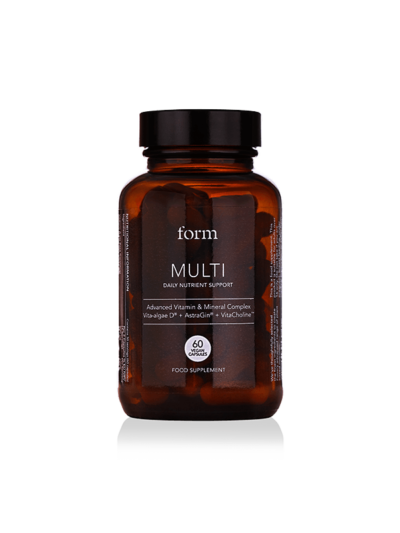
Running a business and training, I often struggle to sit down, cook and meal prep, so I use products like Form to add back what I’m missing. High-quality vegan protein, bars and vitamins really help – I’d be a shadow of who I am without them.
A lot of athletes won’t admit it, but hardly anyone high-functioning manages to make every single meal from scratch. Even Olympians struggle to hit their macros when they need 4,000 to 5,000 calories a day. People think that athletes are superhuman, but they’re usually just smart about supplementing.
There’s a lot of gatekeeping around vegan sports nutrition, and I’d like to see that change. I’ve noticed that people also want results instantly when it comes to fitness, but your body needs time to adjust to protein, and writing it off too early is the worst thing you can do.
What does a typical day of training look like?
The build-up tends to be more hectic than the actual dive. I’m in the gym five times a week on a schedule Vito sets, and then I’m in the pool two or three times a week, usually for an hour. It’s not really about techniques in the pool, as it’s not like I’m trying to build my muscle to pull through the water quicker – it’s more about being able to relax into the dive.
I also love to get my cardio in and have started practising jiu-jitsu two or three times a week, because I blew my knees out running so needed to find an alternative. If I train for competitions next year, it’ll be up to three sessions a day. The rest of the time I’m on my laptop editing content.
How do you time your eating around training?
My one rule is to avoid eating at all for about three hours before a breath-hold (apnea) session. For swimming, jiu-jitsu and the gym, I eat as much as I can beforehand, with a protein shake before and after. As a vegan, it’s easy to eat less than your body needs, so I try to stick to a plan.
What has been your most memorable freediving experience so far?
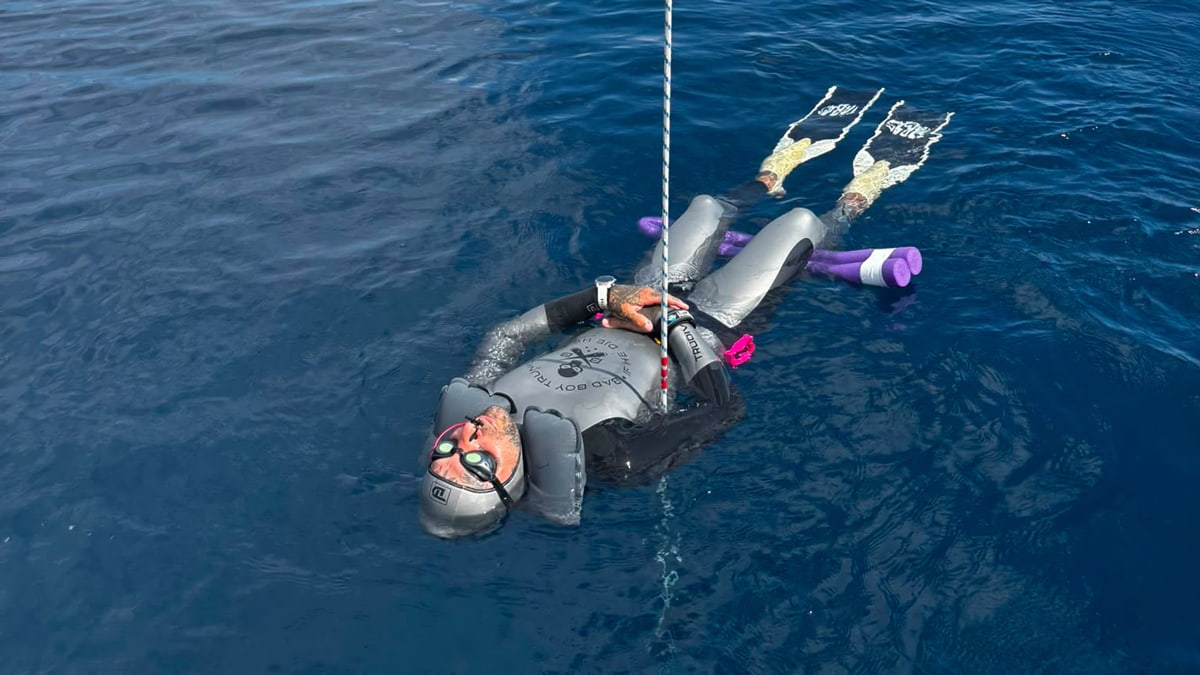
There’s too many to count, but I loved swimming with tiger sharks off the North Shore of O’ahu in Hawaii, with an underwater photographer capturing the moment. Most of the filming and diving you see on my Instagram page happens in Rijeka, Croatia, with my club Adriatic Freedive – they have the most amazing sports centre and pool. Between them, the members hold nearly every freediving world record, so there’s always something interesting to shoot.