Artist Jake Paul White on Honouring the Eco-Conscious Traditions of Natural Dyeing
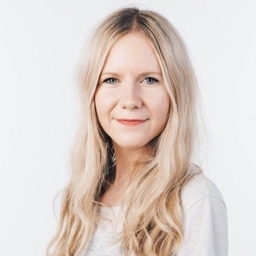
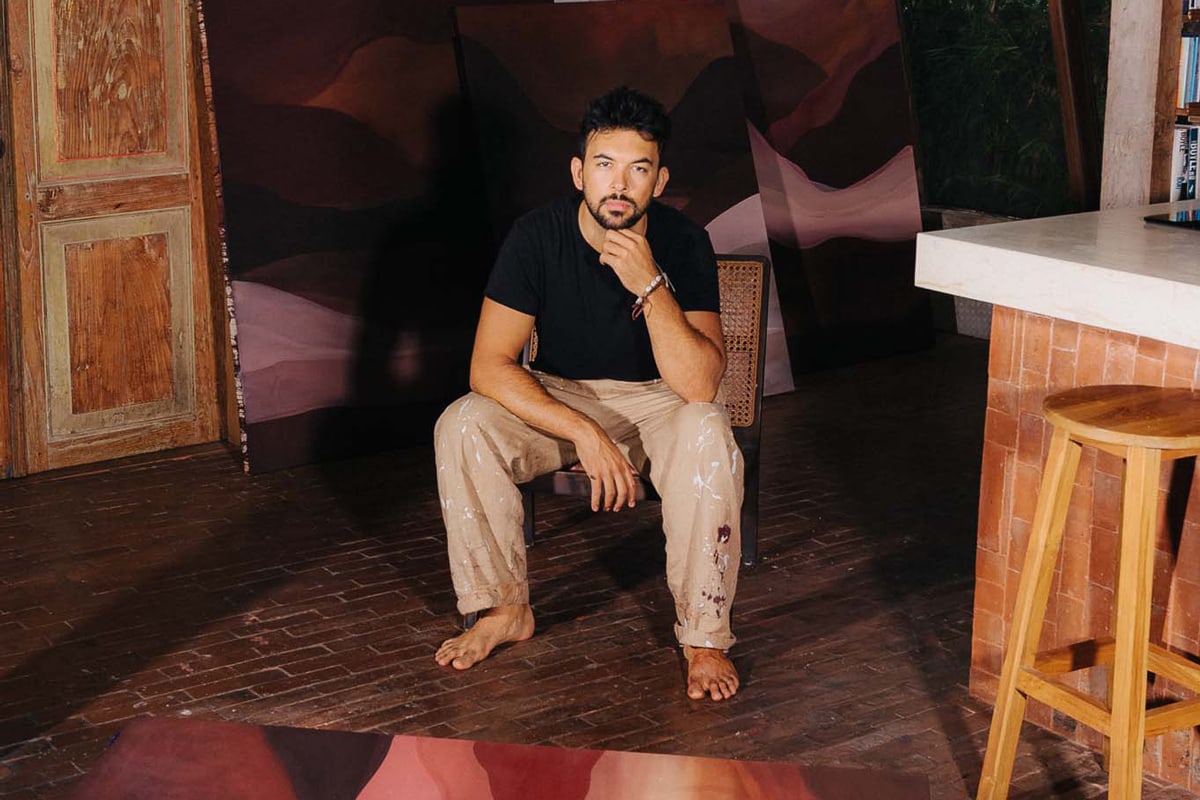
Hot Indonesian tea, betel nuts and hand-ground river clays are just some of the organic materials painter Jake Paul White (@jake_paul_white) uses to create his abstract paintings of natural landscapes. Rather than relying on traditional acrylic paints, which are predominantly made from plastic, the British artist spends months painstakingly tracking down exotic plants, soils and tree barks, processing each by hand to create earth-derived pigments, botanical dyes and minerals.
His obsession with colour has taken him to all corners of the globe, on the hunt for nature’s greatest raw pigments, which he pours, stains and layers onto his paintings, to allow the materials to settle as organically as possible. As he continues a major residency at Dolores 54 in Mexico, we caught ten minutes with the rising art star to pick the locks of his creative process…
Can you tell us about the inspiration behind your paintings?
The root of the inspiration is always the material. As I travel and explore the world, I’m interested in uncovering colours and pigments that are heavily intertwined into culture and tradition, but have been somewhat lost. I’ve often found that not only has a colour itself been lost, but the processing behind extracting that colour and then adhering it into fabric or paintings has too.
Colour as a medium is just so potent too; some colours are heavily intertwined into hierarchy components within tribes, others might be timestamps in history. Wars have been created over colour – many were worth more than gold at points because of their rarity.
I believe that nature provides us with everything, but we’ve created this modern world that pulls us further away from the cyclical nature of the moon, the sun, the stars, the seasons, animals and nature. These paintings are a way for me to tap into that lost world, and present it in a visual way through fine art.
How long does it typically take to create each piece?
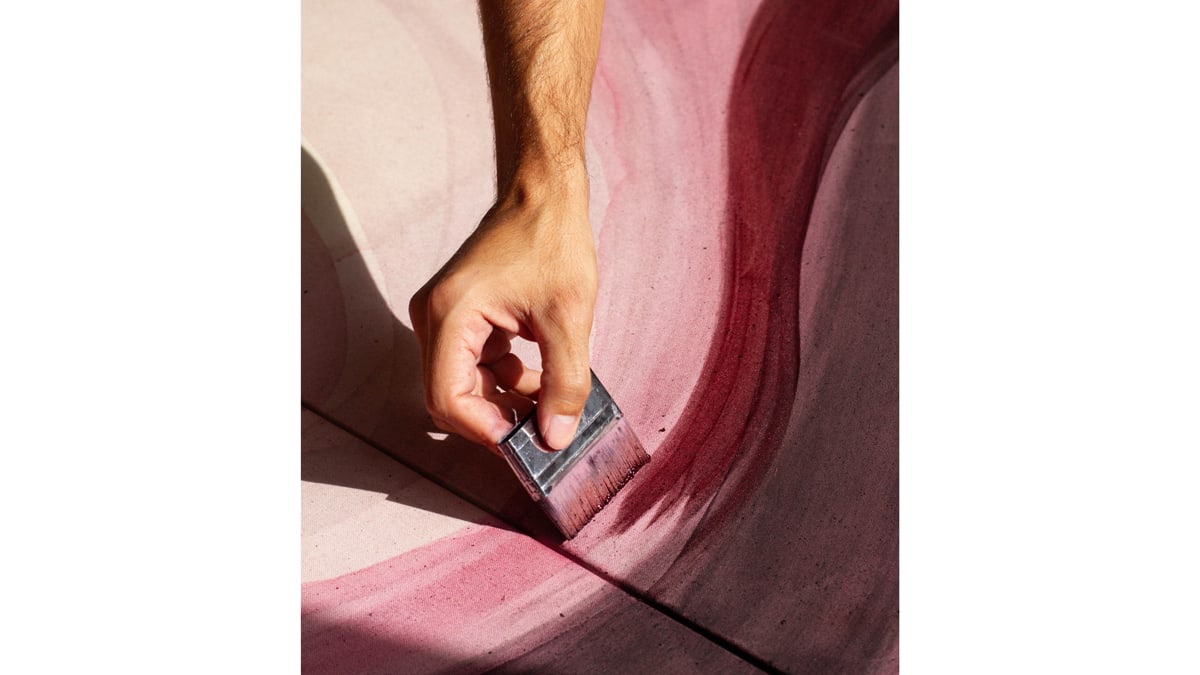
It depends quite drastically on the sourcing of the material. If I have all the material ready and the canvas in front of me, it’s usually anywhere between one to two weeks. What can take significantly more time is the process of sourcing the pigment, which could involve me traveling across the world and finding the right contacts who can introduce me to a certain plant or type of soil. Once selected, the material then needs to be processed through multiple weeks of drying and submerging, separating and boiling, then crushing and binding. I generally do all of this by hand.
It can take me a month to process one colour, and in some paintings, I might use over 200 hues. That’s the beauty of it, though. We step into nature, and there is always something to be felt. I hope that I can imbue that into my work, so people can feel it when it’s hanging on their walls.
Which countries most inspire your work?
I find myself mostly travelling to countries that have that very strong cultural colour dyeing component: Japan, Mexico, Morocco, Egypt, India and Indonesia. Places that are just so rich in that conversation.
I’m in Mexico right now, and I’m going to be using the cochineal; a very famous red dye that comes from a small crawling insect that lives on the nopal cactus. To create the pigment, I’ll be boiling parts of the cactus plant down and processing it into a binder. It’s always really rewarding to combine two very traditionally rich materials for a painting of their surrounding landscape.
Do you have a favourite colour you’ve worked with over the years?
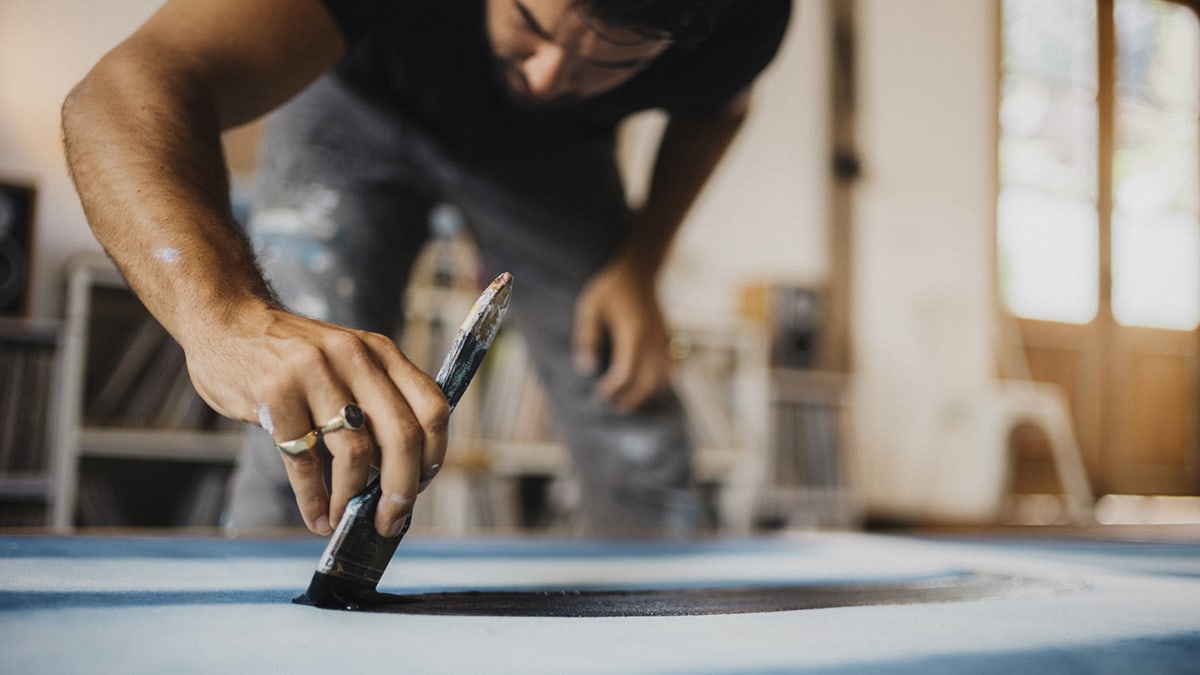
Indigo would probably be my number one. It’s the most rich, powerful and colourfast (least likely to fade) of all the colours. Extracting it is a very beautiful process too; it’s the only dye that goes through a cold water fermentation process. Pretty much all the others go from a heat boiling process to extract the colour, so it’s very unique in that way.
You exclusively work with organic materials, but is it true that man-made paint is bad for the environment?
A recent study found that paint is the number one source of microplastics in the ocean, and that’s mainly down to large-scale building paint.
Not all paint contains plastic though. Traditional lime wash is just limestone and water; it chemically adheres into brick concrete in the same way that dye adheres to fabric. A lot of traditional Aztec and Mayan wall paintings use this method. Whereas, most paint commercially used these days is a plastic layer which sits on top of the wall and then doesn’t allow the brick underneath to breathe. So if it gets wet and damp inside, you’ve got a serious problem of extracting it.
Do you have any rituals or routines that help you to unlock your creativity?
A notebook. It’s the rawest and simplest way to generate ideas – just letting stuff come out, with no computer. Potentially, I’ll go to a new space, as that helps to limit distractions. From there, I might write or sketch compositions, shapes and colours. Just flowing through sketchbook work is an amazing way to ignite new ideas and to step away from the pressure of creating something more solidified or structured.
I also practise allowing meditations, which involve allowing thoughts to arise within the body, and just ‘be’ without too much pressure. A lot of good ideas can come to me in that state.
The main thing, though, is just creating space and time for freshness. We’re so saturated by information, content and accessibility online. Our true value is our selves – the way that we see the world from our unique viewpoint. So, just stepping as far away from the digital world as I can, as often as possible, helps me to feel inspired.