
Fuelled by Form: Ruben De Monte on the Power of Yoga for Nervous System Regulation

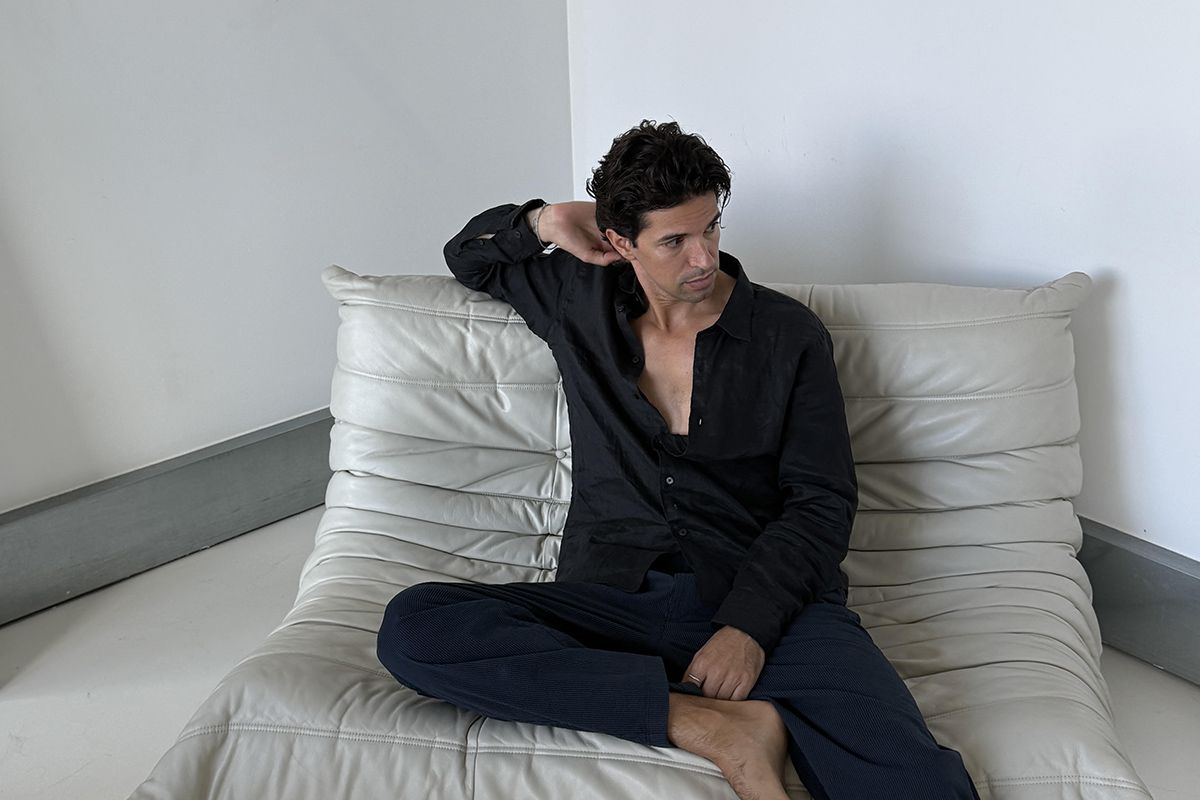
As a former professional ballet dancer for the Bavarian State Ballet and the National Ballet of Portugal, Ruben De Monte (@rubendemonte) knows what it’s like to push the human body to extreme limits.
In his early 20s, the movement coach would spend hours each day drilling through meticulously precise movements in ballet intensives, balancing a busy training schedule with an even busier urban lifestyle, rushing to model castings and living in a frenetic capital city.
Over time, his jam-packed calendar left him feeling frayed and in search of a way to slow down and recalibrate his nervous system. That’s when he first discovered yoga.
Now one of the most in-demand coaches in London, he’s the practitioner busy Londoners have on speed-dial when they want to fix their posture or stretch out the stresses of a busy week. Here, we caught ten minutes with the coach to learn more about his training schedule, his favourite mobility moves and the one thing everyone misunderstands about yoga…
You started out as a ballet dancer. Can you tell me about your early career and what initially drew you to movement?
I’ve been reflecting on this in adulthood, and I’ve come to realise that I was a very competitive child. Not so much with my peers, but more with myself. My first introduction to movement came from gymnastics classes; my family is very sporty, although more on the football side than ballet, as I come from a small town in northern Italy. Something drew me to try ballet though, and at the age of nine I had my first lesson. From there, I knew I wanted to make it my profession.
I threw myself entirely into the discipline, training five to seven days a week, which wasn’t something my family would have imagined. Eventually, aged 13, I ended up relocating to train at a ballet academy, and by the time I was 16, I was already flying to New York, Canada and all across Europe for competitions and ballet intensives.
How did you then get involved in yoga?
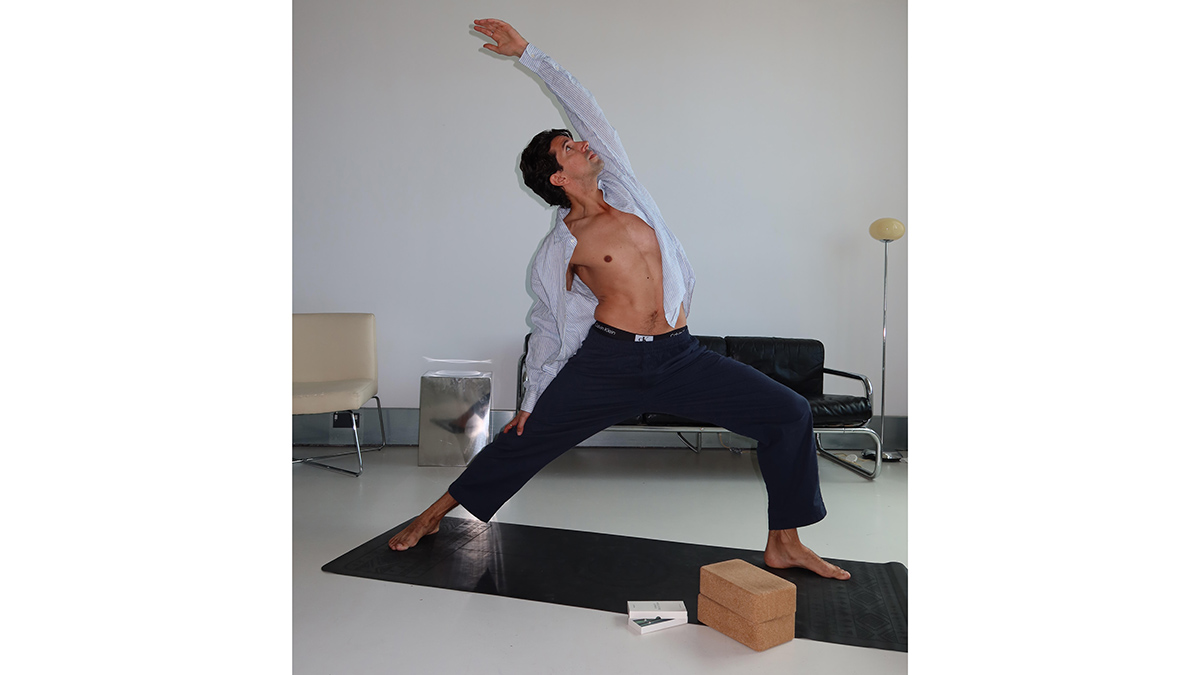
When I turned 18, I signed my first contract with the State Ballet in Germany, and six years later I moved to London with the aim of working as a freelance dancer. That’s where I discovered yoga. I realised that my body and mind hadn’t had a break since I started training at such a young age, and yoga gave me that ability.
How has your dance background informed your yoga practice?
Movement is the common thread that runs through everything. Because of my dance background, the postures in yoga were all accessible to me, which gave me the time and space to discover a deeper mind-body connection.
Because of the nature of their work, I think many dancers and athletes struggle to find that deeper connection and practise true self-care. Everything is done with the job outcome in mind, which frequently asks the body to be pushed rather than listened to. Yoga helped me pause for a moment and understand what my body actually needed.
What is something about yoga and movement that people tend to misunderstand?
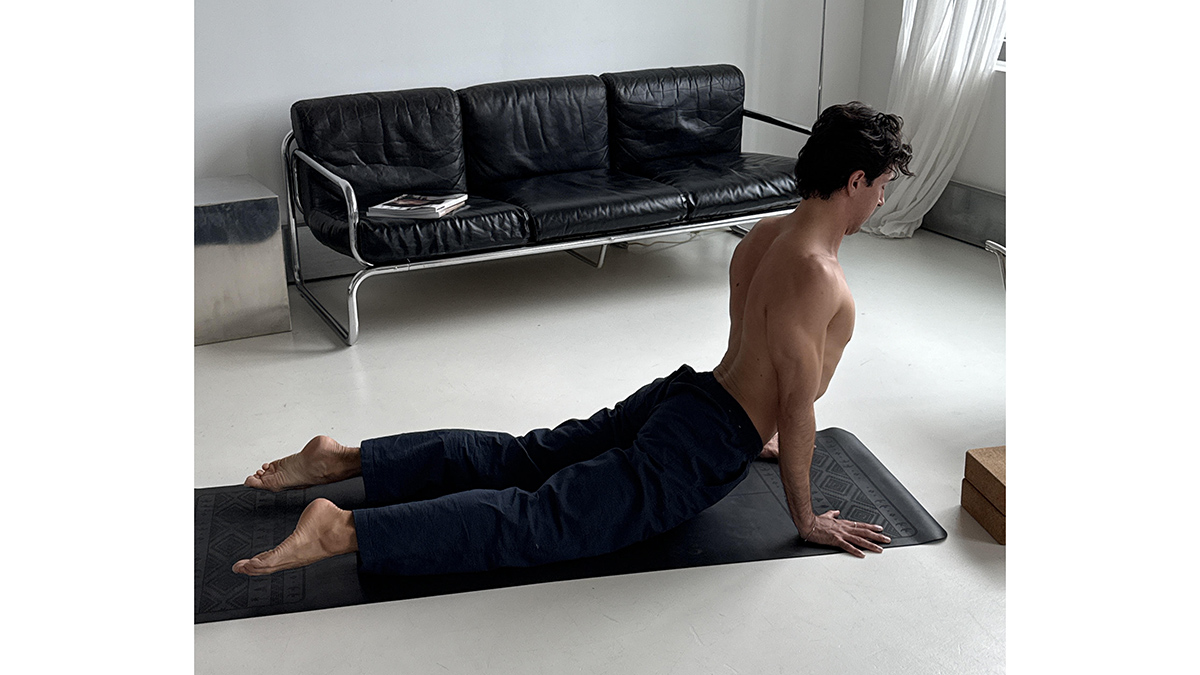
It sounds like a cliché, but yoga truly is for everyone. As a long-time practitioner, you might think I’d only be interested in chasing the advanced postures, but it’s really the simple, foundational poses that serve me most – slow, breath-led, mind-led movements.
There’s something in yoga for everyone, and I always tell people my best advice is to try different styles and instructors until you find what works for you.
What does a typical day of fitness look like for you?
I aim to train around four to five days a week. This includes strength training, cardio (which, to be honest, I’m always dreading) and yoga.
Because I have an online coaching app, where I create personalised strength, yoga and nutrition plans for my clients, my hours are flexible and each day looks a little different. I normally like to workout either mid-morning or late afternoon, and as a man in my 30s, I prioritise strength training these days.
My go-to yoga class is Yin Yoga. A slow, stretchy, meditative practice that’s perfect for improving flexibility and supporting mindfulness, done in a heated studio is literally my dream date.
What’s your go-to rest day ritual?
There’s a very simple posture called ‘legs up the wall’, where you lie on the floor and rest your legs vertically against a wall. I like to hold it for five to 15 minutes because coming out of it feels like a real reset. I’ll pair it with breathwork and aromatherapy too. I wish everyone who works in an office or stressful environment could do this daily, as it really helps restore energy and downregulate the nervous system.
How do you incorporate Form into your everyday routine?
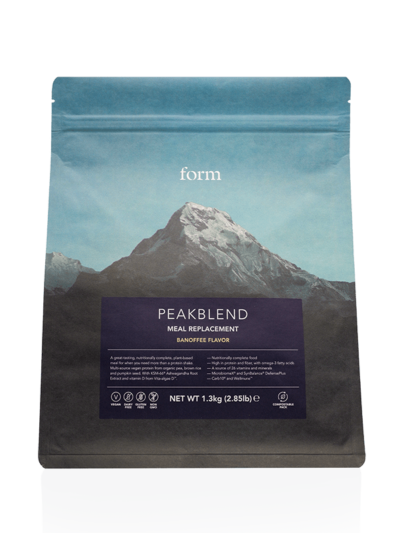
Every day, I usually drink one or two scoops of protein in a shake, either post-workout or as an afternoon snack. My favourite flavour is the Tiramisu; I’ll mix it with almond butter, banana and almond milk for a sweet treat. I also add five grams of Form Creatine to support my muscles, and sometimes I’ll throw in some frozen berries too.
What are some simple things you do to nourish your body weekly?
I’m a big fan of saunas. I try to use them a few times a week – not just for fitness recovery, but for longevity purposes too. If I do a sauna session in the morning, I’ll often follow it with a quick dip in an ice bath for an extra energy boost.
Are there any wellness trends or practices you’re loving right now?
Yes, nervous system regulation is something I’m really interested in right now. It’s piqued my attention at a time in my life when I’m always on the go, whether that’s with travelling, working or just making the most of life.
I also track my response to stress using a fitness wearable, as I find that it really helps pinpoint triggers and understand how to manage them better. And I’m a big skincare fan; my current obsession is red light therapy.